

Planning a big family trip can feel like a lot. You want everyone to have a good time, but getting a bunch of people with different ideas and needs all on the same page? That's the real challenge. But it doesn't have to be a headache. With a little smart planning and some group travel planning tips, you can make sure your next family getaway is a hit for everyone involved. Let's get into how to make it happen without losing your cool.
Key Takeaways
Start planning way ahead of time, especially for larger groups, to get the best options and prices. Involve everyone early on to see what they want from the trip.
Figure out the budget early. Discuss what everyone is comfortable spending to avoid awkward money talks later. Consider using apps to split costs fairly.
Pick a destination that works for all ages and interests. Think about what activities are available nearby and if they suit the group's energy levels.
When booking a place to stay, look for spots that give everyone enough room to spread out. Having separate living areas and quiet sleeping spots can make a big difference.
Designate one person to be the main organizer. This helps keep communication clear and makes decisions easier for the whole group.
1. Start Planning Early
When you're thinking about a big family trip, especially one with multiple generations or lots of cousins, the first thing you really need to do is get a head start on the planning. Seriously, don't wait until the last minute. The earlier you begin, the smoother everything will go.
Think about who's actually going to be on this trip. Are there little kids? Teenagers? Grandparents? What do they all want to do? Trying to figure this out takes time. If you're planning a big reunion with people you haven't seen in ages, you might need to give them a heads-up a good 6 to 12 months before you even think about booking anything. It sounds like a lot, but it gives everyone time to check their calendars and get excited.
Here’s a rough idea of timelines:
Small, close-knit group (e.g., immediate family): 3-6 months in advance.
Extended family or friends group: 6-12 months in advance.
Major reunion or destination event: 12+ months in advance.
It's a good idea to get everyone involved in these early talks. Ask them what they hope to get out of the vacation. This way, you can start to see what everyone's priorities are and maybe even find someone who's willing to help with the organizing. Getting input early means fewer surprises and more buy-in from the whole group.
2. Set A Budget
Okay, let's talk money. This is probably the most important step, even if it feels a little awkward. Before you even start dreaming about destinations, you need to figure out what everyone can realistically afford. Trying to plan a trip without a clear budget is like trying to build a house without a blueprint – it's just going to fall apart.
It's a good idea to have an open chat with everyone involved. Ask them what they're comfortable spending. Sometimes, one person might be happy to cover a big chunk, but more often than not, everyone has their own financial situation. If you've got a mix of budgets, don't sweat it. Apps like Splitwise can be lifesavers for keeping track of who owes what for shared expenses like accommodation, food, or activities. It makes things fair and keeps those awkward money conversations to a minimum.
Here's a quick breakdown of how to approach it:
Initial Discussion: Get a general idea of spending comfort levels from each family unit.
Research Costs: Look into potential destinations, accommodation types, and activities to get a ballpark figure.
Set a Group Total: Agree on an overall budget that works for the majority.
Track Expenses: Use an app or a shared spreadsheet to monitor spending during the trip.
3. Choose The Perfect Destination
Alright, so you've got the dates and a rough idea of what you want to spend. Now for the fun part: picking where you're all going to make memories! This isn't a one-size-fits-all situation, folks. The destination really needs to be a sweet spot that works for everyone's interests and energy levels. Think about the youngest kids – do they need constant entertainment, or are they happy with a playground? What about the older folks – will they be up for a lot of walking, or would they prefer a more relaxed pace?
Consider what kind of vibe you're going for:
City Breaks: Great for a quick trip with lots to see and do, especially if you have younger kids who thrive on activity. Just be mindful of little legs getting tired and potentially needing separate accommodations if your group is large.
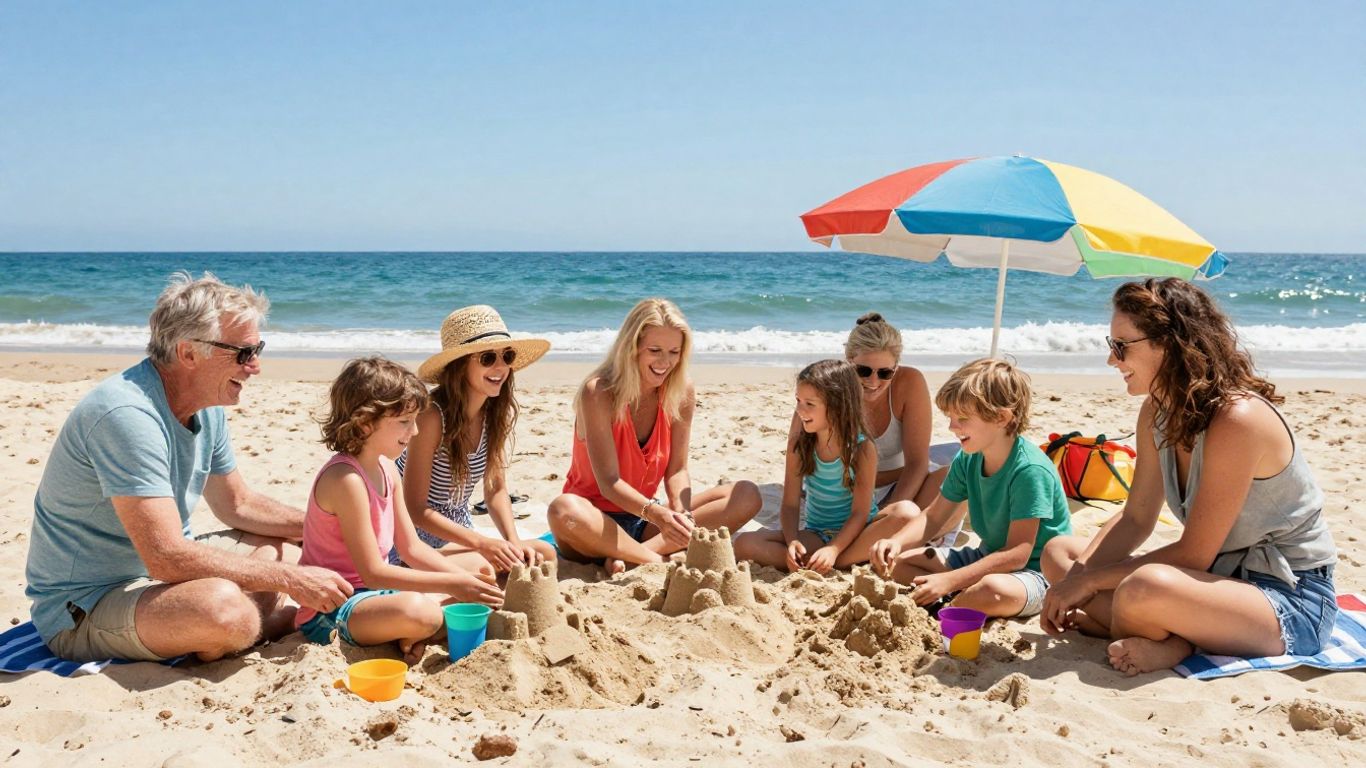
Beach Escapes: Always a hit with most ages, but factor in nap times for babies and stroller access. Plus, those sunny spots can get pricey during peak season.
Country Retreats: Perfect for a chill vibe with plenty of space and outdoor fun. Might be a bit quiet for teens looking for excitement, though.
Adventure Spots: Ideal for active families who love to hike, ski, or explore. Best for those without mobility concerns and often a good bet for winter trips.
It's also worth thinking about the time of year. Are you hoping for sunshine and swimming, or cozy nights by a fire? This will naturally narrow down your options and can also impact costs. Don't forget to check how long you actually have for the trip – a whirlwind tour of Europe might sound amazing, but it's probably not realistic for a long weekend.
4. Make Accommodations That Accommodate Everyone
When you're planning a trip with a big group, finding a place to stay that works for everyone can feel like a puzzle. It's not just about having enough beds; it's about making sure everyone has a comfortable spot to relax and recharge. Think about the different ages and needs in your group. Do you have little ones who need quiet nap times? Teenagers who might want their own space? Or maybe older relatives who appreciate easy access and fewer stairs? Considering these details upfront can prevent a lot of headaches later on.
It's often a good idea to look for places with multiple living areas. This way, people can spread out. Some can watch a movie, others can read a book, and the kids can have their own play zone without disturbing anyone. If you're renting a house, see if there's a possibility of renting a separate guest house or an adjoining apartment for those who might need extra quiet or privacy. Resorts can also be a good option, as they often have suites with separate living spaces and plenty of on-site activities.
Here are a few things to keep in mind:
Sleeping Arrangements: Talk openly about who will share rooms. Sometimes kids love sharing, but other times, especially with different age groups, it can lead to sleep disruptions and cranky mornings. Be prepared to be flexible with the setup.
Accessibility: If anyone in your group has mobility issues or specific needs, make sure the accommodation is suitable. Check for things like ramps, elevators, or walk-in showers.
Common Areas: Having enough space for the whole group to gather, like a large dining table or a comfortable living room, is important for shared meals and activities.
Don't get too hung up on the perfect setup before you even book. It's better to find a great location and property that suits most needs and then be ready to adjust your sleeping arrangements once you arrive. A little discussion and flexibility go a long way in making sure everyone feels at home.
5. Appoint A Chief Organizer
When you've got a big group, things can get messy fast. Someone needs to be the point person, the one who keeps track of all the details and makes sure everyone's on the same page. This person is your Chief Organizer. They don't have to be the one paying for everything, but they should be someone who doesn't mind taking the lead and isn't afraid to gently nudge people in the right direction. Think of them as the conductor of your family orchestra.
This role is super helpful for keeping communication clear. Instead of a dozen different emails flying around, everyone can funnel questions and ideas through one person. This makes it easier for everyone, including any property managers or hosts you're dealing with. They can also be the one to help make tough calls when the group can't agree on something, like who gets which bedroom or what activity to do next.
Here’s what a Chief Organizer typically handles:
Communication Hub: Acts as the main contact for group decisions and questions.
Decision Facilitator: Helps guide the group when there are disagreements.
Task Delegator: Can assign smaller planning tasks to other willing family members.
Information Keeper: Keeps track of bookings, confirmations, and important details.
It's also a good idea for the Chief Organizer to have a way to gather input from everyone. Sometimes a quick poll or a group chat can work wonders for making decisions without endless back-and-forth.
6. Plan Transportation
Getting everyone from point A to point B can feel like a puzzle, especially with a big group. Start thinking about how you'll all get around well before the trip. This means looking into flights, train tickets, or car rentals early on to snag the best prices. Sometimes, booking as a group can get you special discounts, so don't be afraid to ask rental companies or public transport services about deals for larger parties.
Once you've picked your destination, your accommodation host might have some local insights. They can tell you if the grocery store or popular restaurants are within walking distance, which might influence whether you need to pack a stroller or rent a car with car seats. Some families find it works best if each smaller family unit has its own car for maximum freedom to explore independently, while still having the option to gather as a larger group.
Flights: Book these as far in advance as possible, especially if traveling during peak seasons. Consider budget airlines for cost savings, but factor in baggage fees.
Car Rentals: For larger groups, you might need multiple vehicles or a larger van. Research car seat requirements and availability beforehand.
Public Transport: In some cities, public transport is efficient and cost-effective. Look into day passes or group rates.
Don't forget to explore how Artificial Intelligence can help streamline your travel planning, offering practical tips for organizing your next vacation. AI travel tools
7. Create A Diverse Itinerary
Okay, so you've got the destination and the place to stay sorted. Now comes the fun part: figuring out what you're actually going to do . This is where a diverse itinerary really shines. Think about it – you've got different ages, different interests, and probably different energy levels in your group. Trying to please everyone all the time is a recipe for disaster, but making sure there's something for everyone is totally doable.
When you're mapping things out, try to mix it up. Don't just plan a week of museums if you've got little kids who'll get bored after an hour. Likewise, if you have adventure seekers, make sure there's a thrill or two in there. It's about finding that sweet spot.
Here’s a quick way to think about it:
Active Pursuits: Hiking, swimming, maybe a bike ride if the terrain is right.
Cultural Dips: Local markets, historical sites, maybe a small, interesting museum.
Relaxation Stations: Beach time, park picnics, or just chilling at the accommodation.
Foodie Fun: Trying local specialties, maybe a cooking class, or just finding a great spot for ice cream.
And don't forget downtime! Seriously, nobody wants to be rushed from one activity to the next. Build in time for naps, spontaneous coffee breaks, or just letting everyone do their own thing for a bit. It’s a vacation, after all. You can even ask different family members to be in charge of planning one activity each. It gives them ownership and takes the pressure off one person.
8. Pack Smart And Delegate
Okay, so you've got the destination, the place to stay, and everyone's on board. Now comes the nitty-gritty: packing. This is where things can get a little chaotic if you're not careful. The key here is to avoid bringing duplicates of everything. Think about it – do you really need five different hairdryers for a group of ten? Probably not. Before you even start stuffing suitcases, have a quick chat with your group or family units and figure out who's bringing what.
Here's a simple way to break it down:
Toiletries: Assign one person or family unit to bring the shampoo, another for conditioner, someone else for toothpaste, and so on. You can even share things like sunscreen or bug spray.
Electronics: Instead of everyone bringing their own phone charger, laptop charger, and portable speaker, designate a few people to cover these.
Kitchen Stuff (if applicable): If you're staying in a rental with a kitchen, maybe one person brings a specific spice blend they love, or another brings a favorite serving dish.
Kid Gear: If you have multiple families with young kids, coordinate on things like strollers, travel cribs, or even specific toys to avoid overpacking.
This not only saves space in the car or on the plane but also cuts down on the sheer volume of stuff you have to manage once you arrive. It’s a little bit of pre-trip coordination that makes a big difference.
Delegating isn't just about saving space; it's about sharing the load. When everyone contributes, even in small ways, it makes the whole process feel less like a chore and more like a team effort. Plus, it gives people a sense of ownership over the trip's success.
9. Prioritize Safety
When you're wrangling a big group, especially with kids, keeping everyone safe has to be top of mind. It's not just about avoiding big accidents, but also the little things that can ruin a day. Think about having a basic first-aid kit handy for those inevitable scrapes and bumps. You can find great pre-made ones or easily assemble your own with essentials like bandages, antiseptic wipes, pain relievers, and any personal medications.
Here are a few things to consider:
Emergency Contacts: Make sure everyone, especially older kids, has a list of important phone numbers – parents, guardians, and local emergency services. Keep this list somewhere accessible, maybe even on a phone if everyone has one.
Location Awareness: Before you even leave, talk about the area you're visiting. Are there any specific hazards? If you're near water, discuss water safety rules. If you're in a busy city, talk about staying together and what to do if someone gets separated.
Allergies and Medical Needs: This is super important. Compile a list of any allergies, dietary restrictions, or medical conditions within the group. Share this with anyone who might be responsible for preparing food or supervising children. Knowing these details beforehand can prevent serious issues.
10. Be Flexible And Enjoy It
Okay, so you've planned and planned, and things are going... okay. But here's the thing about group trips, especially with family: they rarely go exactly according to plan. And honestly, that's usually where the best memories are made.
Don't get too hung up on sticking to the minute-by-minute schedule you created. Kids get tired, someone might have a sudden craving for ice cream at 10 AM, or you might stumble upon a local festival you never knew existed. These unexpected detours are often the highlights. It's totally fine to ditch an activity if the mood isn't right or if a spontaneous opportunity pops up.
Think about it this way:
Embrace the unexpected: That unplanned stop at a quirky roadside attraction might become the funniest story of the trip.
Listen to the group: If half the people are exhausted and just want to chill by the pool, let them. You can always split up for a bit.
Let go of perfection: The goal isn't a flawless Instagram feed; it's about connection and shared experiences, even the messy ones.
Sometimes, you just need to take a breath and roll with it. If the kids are happy and the adults are relaxed, you're doing great. Remember why you're all there in the first place – to spend time together and make some good memories. Trying to force everything to be perfect will just add stress. Just relax, enjoy the company, and let the good times happen, whatever they look like.
Ready for Your Big Family Adventure?
So, planning a big family trip might seem like a lot, but honestly, it's totally doable. By getting everyone involved early, setting a budget, and picking a spot that works for all ages, you're already halfway there. Remember to think about where everyone will sleep and how you'll all get around. Having a main point person can really smooth things out, and don't forget to pack smart! Most importantly, be ready to roll with the punches. Things might not go exactly as planned, and that's okay. The goal is to make memories together, so try to relax, enjoy the moments, and have a fantastic time with your favorite people.
When should I start planning a family group vacation?
It's best to start planning as early as possible, ideally 6 to 12 months ahead, especially for big family reunions. This gives everyone time to think about what they want and helps you snag the best deals on places to stay and travel.
How do we figure out the budget for a group trip?
Talk openly about how much everyone can spend. If budgets are different, apps like Splitwise can help share costs fairly. It's also smart to decide on a general price range before you start looking for places.
What's the best way to choose a vacation spot for everyone?
Think about what all the family members enjoy, their ages, and the time of year. Consider different types of trips like city breaks, beach getaways, or country retreats to see what fits best for your group.
How can we find lodging that works for a big group?
Look for places with enough bedrooms and common areas so everyone can spread out. Sometimes, getting a few rooms in a resort or a separate guest house can be better than everyone sharing one big house, especially if kids need to sleep at different times.
Should one person be in charge of planning?
Yes, having a 'chief organizer' can make things much smoother. This person can help keep communication clear and make decisions, which is helpful for both the group and anyone managing the bookings.
How do we handle transportation for a large group?
Ask your organizer to look into flights or car rentals early for good prices. Once you're there, ask your accommodation host for advice on getting around. Also, check if group discounts are available for rentals or trains.
How do we create an itinerary that everyone will like?
Plan activities that appeal to different ages and interests. Make sure to include some downtime too! Sharing the planning can make everyone feel more involved and excited about the trip.
What's the most important thing to remember on a group vacation?
Be flexible and try to enjoy yourselves! Things might not always go exactly as planned, but going with the flow and appreciating the time together is what makes a family vacation special.