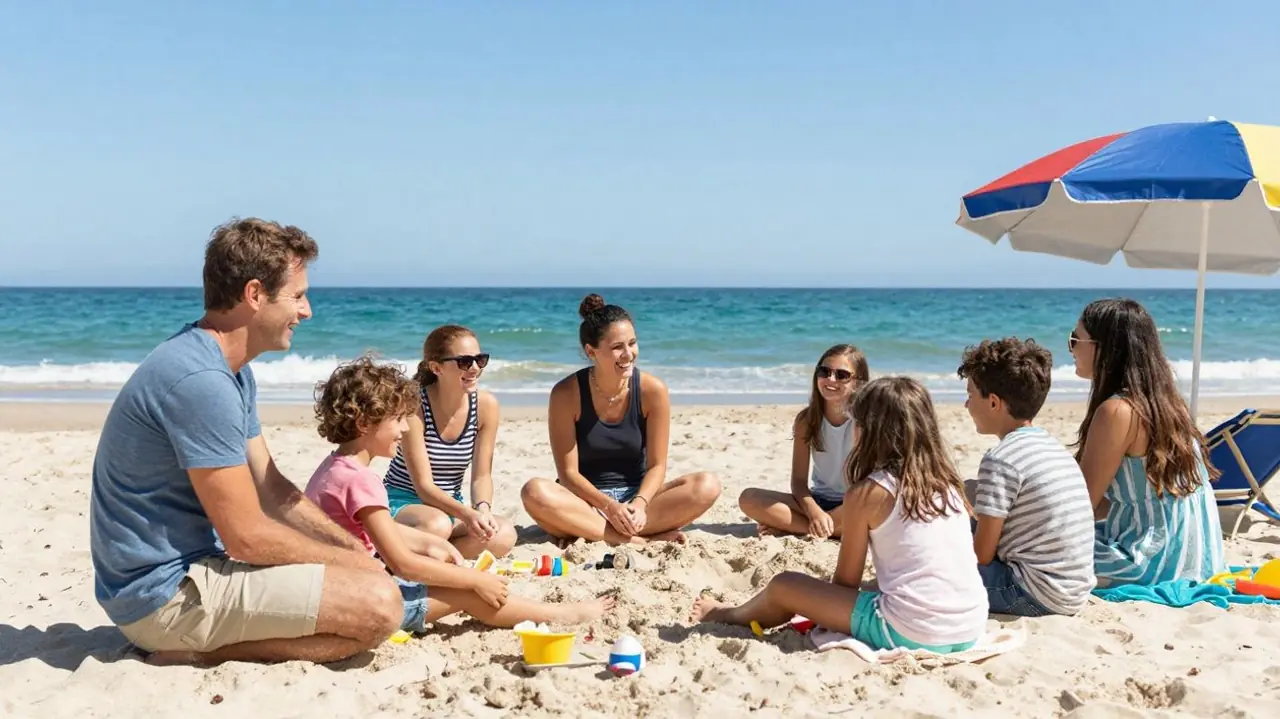

A skip-generation trip works best when grandparents choose a destination with short travel days, set a pace built around rest for both ages, and book lodging with separate sleeping space and a kitchen. The paperwork matters too: without the parents along, you need a signed consent letter and the children's medical details in hand.
Here is how we help grandparents plan a trip with the grandchildren, and without the middle generation.
Why these trips are different
On a full family reunion, parents handle bedtimes, meltdowns and snacks. On a skip-generation trip, the grandparents carry all of it, often for a week or more. That changes the planning in three ways:
- Energy is the limit. The schedule has to suit the grandparents' stamina as much as the children's interests.
- Authority is borrowed. Border officers, airlines and doctors may ask who has permission to make decisions for the child.
- The relationship is the point. These trips are about time together, so the itinerary should leave space for conversation, games and shared routines.
For broader planning across three or four generations, see our multi-generational family travel page.
Choosing a destination
Start with the travel day, not the attraction list. A destination that takes two flights and a long drive will cost a full day of energy on each end. Good choices share a few traits: one flight or a manageable drive, simple ground transport, and a mix of outdoor time and indoor fallbacks for bad weather.
| Trip style | Why it works | Best ages |
|---|---|---|
| National parks in Canada or the US | Short walks, wildlife, ranger programs and picnic days | 6 to 14 |
| Family cruise | Unpack once, kids clubs give grandparents breaks, meals are handled | 3 to 17 |
| One-centre beach resort | Minimal transfers, pools, shallow water, a kids club | 3 to 12 |
| City break with a theme | Museums, trains and food markets suit curious older kids | 10 and up |
| Heritage trip | Visiting a family hometown builds a shared story | 12 and up |
National parks are a strong first trip. The US National Park Service Junior Ranger program offers activity booklets at many sites, with many programs aimed at ages 5 to 14, and awards that vary by park. In Canada, Parks Canada offers free admission for youth 17 and under, which helps when grandparents are covering the bill.
Setting the pace

The most common mistake is planning the trip the grandparents would have taken thirty years ago. A rhythm that works for most families:
- One main outing a day, ideally in the morning when everyone has energy.
- A real midday break back at the room or rental, with a nap for little ones and quiet time for grandparents.
- A light late afternoon, such as a pool, beach or playground.
- An early, simple dinner, then a shared ritual: cards, a journal, or choosing tomorrow's plan together.
Build in one full rest day for every three or four active days. Let older grandchildren choose one activity each, which gives them ownership and keeps complaints down. Our list of grandparent and grandkid activities that work sorts ideas by energy level.
Lodging that keeps everyone rested
Sharing one hotel room for a week rarely works. Look for:
- Separate bedrooms or a suite, so grandparents can sleep well and children can have their own space.
- A kitchen or kitchenette for breakfasts, snacks and familiar food for picky eaters.
- Laundry on site, which lets you pack lighter.
- Ground-floor or elevator access if anyone has mobility limits.
- A pool or green space within walking distance for the afternoon wind-down.
A condo or one-bedroom suite usually costs less than two hotel rooms and gives you a living area for evenings. On a cruise, connecting cabins or a family suite keep children close while giving grandparents a door to close.
Paperwork, health and safety
This is where skip-generation trips differ most from regular family travel.
- Consent letter. The Government of Canada recommends that children travelling outside Canada without one or both parents carry a signed consent letter. It is not legally required in Canada, but immigration authorities, airline agents or Canadian officials may ask for it, and not having one can cause delays or refused entry. Any adult can witness the signature, but a notary public is strongly recommended, and original signed letters are best.
- Medical authorization. Ask the parents for a signed note allowing you to seek treatment for the children, along with health card copies, allergy lists and medication instructions.
- Travel insurance. Make sure each child is named on a policy that covers emergency medical care abroad. Our article on travel insurance for a family reunion covers the main questions.
- Contact plan. Agree how often the children will call home. Daily calls can make homesick younger children worse, so many families pick every second evening.
- Copies of documents. Keep photos of passports, the consent letter and insurance details on your phone and a paper set in a separate bag.
Check the entry rules for your destination too, as some countries have their own requirements for minors travelling without parents.
Ground rules before you leave
Have a short conversation with the parents about screen time, bedtimes, treats, money for souvenirs and discipline. Children test new adults, and a clear, agreed set of rules removes arguments on the road. Grandparents also benefit from a backup: a trusted contact at home who can talk to the parents if something goes wrong.
Talk about money as well. Decide in advance who pays for extras such as souvenirs, special meals or a paid activity a grandchild asks for on the spot. Some grandparents give each child a set daily allowance, which teaches budgeting and ends the constant requests. If a child has a phone, agree whether it stays in the room at meals and during outings.
Finally, include the children in the planning. A map on the fridge, a countdown and a simple packing list they manage themselves all build excitement and make the trip feel like theirs.
Bottom line
Pick a destination with an easy travel day, plan one outing a day with real rest, book lodging with separate sleeping space, and pack a notarized consent letter and medical details for each child. If you would like help matching a destination to your grandchildren's ages and your own pace, we are happy to plan it with you.
Frequently asked questions
What is a good age for a first skip-generation trip?
Many families start when the youngest grandchild is around six or seven, old enough to sleep well away from home and walk for an hour or two.
How long should a grandparents and grandkids trip be?
Four to seven nights suits most first trips. Longer trips work once everyone knows the routine and the grandparents are comfortable with the pace.
Should grandparents take more than one grandchild at a time?
Two grandchildren close in age often entertain each other. Three or more is easier on a cruise or at a resort with a kids club.