

Planning a big family reunion can feel like a lot, right? It's not just about picking a place; it's about making sure everyone, from the littlest cousins to the oldest grandparents, has a good time. We're talking about bringing a whole bunch of people together, and that means thinking about more than just where to sleep. These family travel tips will help you pull off a reunion that feels less like a chore and more like a real celebration. Let's get everyone together without losing your mind!
Key Takeaways
Choosing a destination that's easy for most people to get to and offers a mix of activities for different ages is a good start for family travel tips.
Big vacation rentals are often better than hotels because they give everyone space, common areas for meals, and can save money per person.
Think about everyone's needs, like easy access for older folks, fun stuff for kids, and quiet spots for those who need a break.
Sharing tasks like booking and setting a clear budget upfront makes the planning much smoother for everyone involved.
Making meals a group effort, whether cooking together or having casual cookouts, really helps bring people closer and saves money.
Choosing the Ideal Destination for Family Gatherings
Picking the right spot for a big family get-together is probably the most important first step. It sets the tone for the whole trip, you know? You want a place that feels welcoming to everyone, from the littlest cousins to the grandparents. It’s not just about finding a place to sleep; it’s about finding a place where memories can actually happen without a ton of stress.
Balancing Convenience and Comfort
When you're gathering a crowd, think about how easy it is for everyone to get there. Is it a place with a major airport nearby, or is it a long drive for most people? Also, consider the vibe. Do you want a place where everyone can relax and spread out, or something more structured? Large vacation rentals often hit that sweet spot, giving you plenty of room and common areas without feeling like you're on top of each other. It’s about finding that balance so nobody feels overwhelmed.
Travel Time: How long does it take for the majority of the family to arrive?
Pace: Does the destination support a relaxed atmosphere or a packed itinerary?
Accommodation Style: Are hotels or large rentals a better fit for your group's size and needs?
Exploring Beachfront and Nature Retreats
Beach towns are a classic for a reason. There's something about the sand and surf that just brings people together. Kids can play, adults can relax, and there are usually plenty of activities for all ages. Plus, the casual atmosphere means less pressure to be dressed up all the time. On the flip side, mountain or lake retreats offer a different kind of calm. These spots are great if your family enjoys hiking, fishing, or just soaking in quiet scenery. Large rentals in these areas often come with big decks or yards, perfect for evening chats.
Beach: Offers built-in entertainment, casual vibes, and space for group activities.
Nature Retreat: Ideal for families who love the outdoors, quiet conversations, and a slower pace.
If you're looking for trips designed for multi-generational families, exploring options that cater to different age groups is key. Discover ideal trips .
Considering City-Adjacent Options
Sometimes, the best of both worlds is a place that’s close to a city but not right in the middle of the hustle. You can stay in a quieter neighborhood or a nearby town, which often means more affordable and spacious lodging. Then, you can easily take day trips into the city for museums, shows, or specific attractions. This setup works well if your family has a mix of interests – some might want to explore the urban attractions, while others prefer a more laid-back base camp. It gives everyone options without requiring constant travel.
Selecting the Perfect Large Vacation Rental
Finding the right place to stay is a big piece of the puzzle when you're planning a family reunion. Hotels can split everyone up, and separate hotel rooms add up fast. That's where a large vacation rental really shines. It gives you one central spot where everyone can gather, relax, and just be together. Think of it as your home base for making memories.
Prioritizing Functional Features
When you're looking at big houses or condos, don't just go by the number of bedrooms. You need to think about how the space will actually be used by your whole group. A well-designed rental makes a huge difference in how smoothly things run.
Layout Matters: Look for places with common areas that can handle a crowd, like a big living room or a separate den. Also, consider if there are enough bathrooms so nobody's stuck waiting in line forever, especially in the mornings.
Outdoor Space: A deck, patio, or yard is a big plus. It gives people a place to spread out, kids a place to play, and a nice spot for a casual cookout.
Location, Location, Location: Is it close to things you might want to do? Easy access to a beach, a park, or a town center can make a big difference.
Ensuring Ample Sleeping and Bathing Facilities
This is where you really need to pay attention to the details. A house that sleeps 16 might sound great, but if it only has two bathrooms and beds are mostly bunk beds, it might not work for your family.
Here’s a quick checklist:
Bed Variety: Try to find a mix of bed sizes. Some people might prefer a queen or king, while others are fine with twins. Having a few options is good.
Bathroom Count: A good rule of thumb is at least one bathroom for every two or three bedrooms, especially in a large house. If you can swing it, having a master suite with its own bathroom is a bonus.
Sleeping Arrangements: Think about who needs what. Do you have elderly relatives who would do best on the main floor? Are there lots of young kids who might share a room? Knowing this helps you pick the right setup.
Evaluating Kitchen and Dining Spaces
If you plan on doing any cooking at all, the kitchen and dining area are super important. A tiny kitchen in a house that sleeps 20 is a recipe for disaster.
Kitchen Size: Is there enough counter space to prep food for a crowd? Are there enough pots, pans, and utensils? A big island can be a lifesaver for both cooking and casual gathering.
Dining Area: You need a table that can actually seat a good number of people. If the main dining table is small, is there a secondary table or space at the kitchen island where others can eat?
Appliances: Make sure there’s a large refrigerator, and ideally, a dishwasher. A second fridge in a basement or garage can be really helpful for drinks and overflow.
Having a great kitchen and dining setup means meals can become a fun, central part of your reunion.
Accommodating Every Generation's Needs
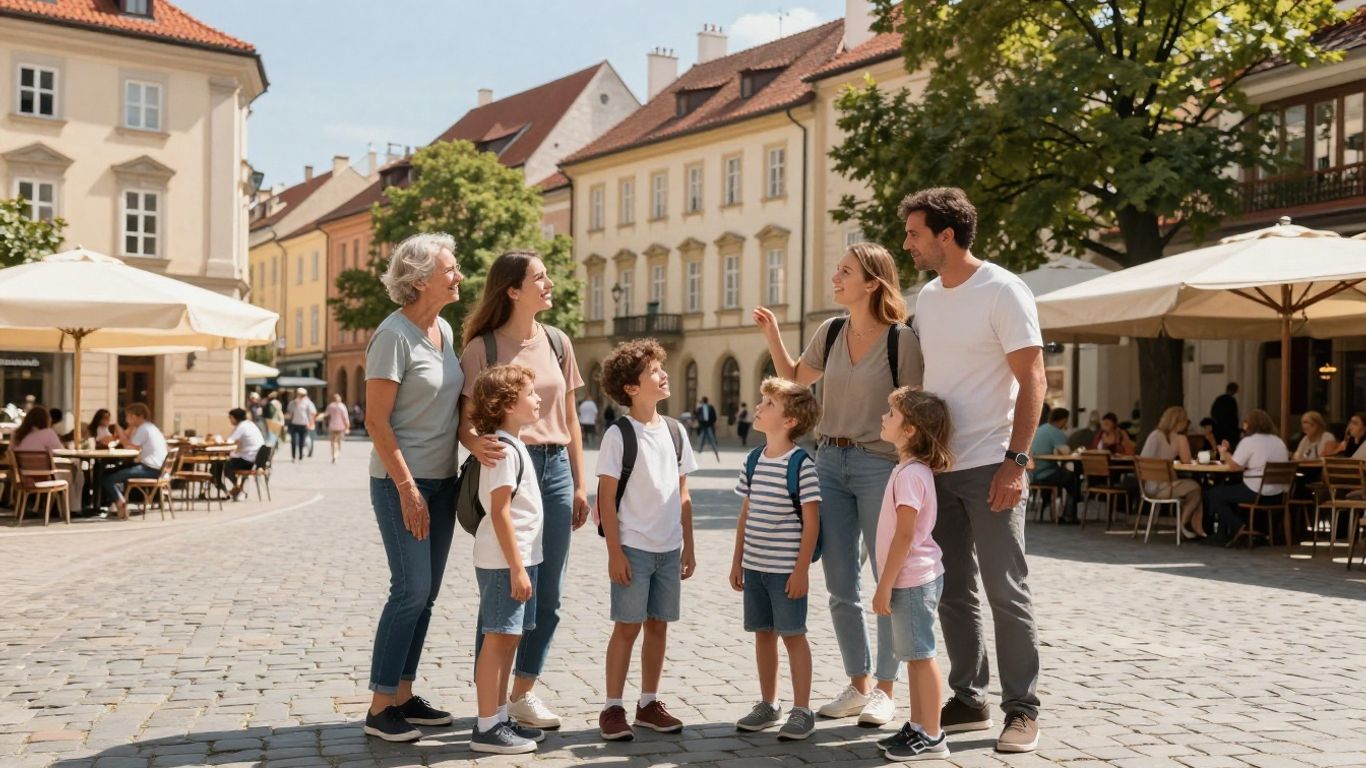
When you're planning a big family get-together, you've got a whole spectrum of ages to think about, right? From the tiniest tots to the wisest grandparents, everyone has different needs and energy levels. It’s not just about finding a place big enough; it’s about making sure everyone feels comfortable and has a good time. Thinking about these differences upfront makes a huge difference in how smooth the whole trip goes.
Designing for Accessibility and Comfort
This is super important, especially for older relatives or those with mobility challenges. Think about things like stairs. Are there ground-floor bedrooms available? Is the main living area easily accessible without a lot of climbing? For families with little kids, easy access to bathrooms and maybe a safe outdoor play area are big wins. It’s also wise to have some quieter spots where people can retreat if they need a break from the hubbub. A place with a cozy den or a nice porch can be perfect for this.
Providing Entertainment for All Ages
Keeping everyone happy means having a mix of activities. You don't want the teenagers bored out of their minds while the little ones are having a blast, or vice versa. Consider what the space offers. Is there a game room? A pool? What about outdoor space for running around? It’s also good to have some low-key options. Maybe a movie night, a board game tournament, or even just a comfortable living room where people can chat and relax. Having options means people can choose what they enjoy without feeling pressured.
Respecting Personal Space and Quiet Zones
Even though it's a reunion, people still need their own space sometimes. Being under one roof is great for connection, but constant togetherness can be a lot. Look for accommodations that offer a bit of separation. Maybe separate wings, floors, or even just distinct living areas. Outdoor spaces like patios or yards can also serve as personal retreats. It’s all about finding that balance between shared experiences and individual downtime.
Streamlining the Planning Process
Planning a big family reunion can feel like a lot, but it doesn't have to be overwhelming. The key is to get organized early and share the load. Breaking down the tasks makes everything much more manageable.
Booking Early and Assigning Responsibilities
When you're dealing with a large group, timing is everything. Popular vacation spots and large rental homes get booked up fast, especially during peak seasons. Aim to start planning at least a year in advance if you can. Once you have a general idea of dates and a potential destination, it's time to get people on board.
Set a preliminary date range: Float a few options to the family to see what works best for the majority.
Identify key decision-makers: Who are the go-to people for different aspects of the trip? Maybe one sibling handles accommodation research, while another looks into group activities.
Delegate tasks: Don't try to do it all yourself! Assign specific responsibilities to different family members. This could include researching transportation options, planning a welcome dinner, or organizing a photo album project.
Setting Clear Expectations and Budgets
Money talk can be awkward, but it's way better to have it upfront. Figure out what everyone is comfortable spending before you book anything. This avoids surprises and hurt feelings down the line. You'll want to decide how costs will be split – per person, per household, or maybe based on age.
Embracing Flexibility in Schedules
Even with the best planning, things happen. People might have last-minute work issues, kids get sick, or travel plans change. It's important to build some wiggle room into your itinerary. Don't overschedule every minute of the reunion. Allow for downtime and spontaneous moments. This is often when the best memories are made. Remember, the goal is connection, not a military operation. If someone misses an activity, there will be other chances to connect. Consider looking into transportation options that offer flexibility for different arrival and departure times.
Making Meals a Central Part of the Reunion
Food is more than just fuel, right? It's about connection, tradition, and making memories. When you're planning a big family get-together, thinking about meals can actually make the whole event feel more special and less like a logistical headache. Shared meals are where a lot of the magic happens during a reunion.
Leveraging Large Kitchens for Group Cooking
Forget trying to cram everyone into a tiny apartment kitchen. When you rent a large house or cabin, you often get a seriously spacious kitchen. This isn't just for show; it's an invitation to cook together. Think about assigning different families or groups to handle different courses or meals. It cuts down on the work for any one person and turns meal prep into a fun, collaborative activity. You can have cousins chopping veggies while aunts and uncles stir pots. It’s a great way to get people talking and laughing.
Assign meal responsibilities: Have each family unit or a pair of siblings take charge of one dinner or breakfast.
Theme nights: Consider a taco bar, a pasta-making night, or a build-your-own-pizza evening.
Prep ahead: Encourage people to bring pre-chopped ingredients or pre-made sauces to save time during the reunion.
Accommodating Diverse Dietary Needs
This is a big one for large groups. You've probably got vegetarians, vegans, gluten-free folks, picky eaters, and maybe even someone with a nut allergy. Trying to find restaurants that can handle all of that can be a nightmare. Cooking at your rental gives you complete control. You know exactly what's going into the food. It's much easier to label dishes and keep cross-contamination risks low when you're in your own space. Plus, it's usually way more budget-friendly than trying to order specialized meals out for everyone.
Creating Traditions Through Shared Dining
Think about the meals you remember from childhood family gatherings. Chances are, they involved a lot of people around a table, sharing stories and maybe a few laughs (or spills!). Make your reunion meals a highlight by creating new traditions. Maybe it's a special dessert that only comes out during reunions, or a designated
Planning Engaging Activities for Everyone
Okay, so you've got the place booked and everyone's on their way. Now what? Keeping a big group entertained, especially with different ages and interests, can feel like a big task. But honestly, it's where the real fun happens. The goal isn't to schedule every single minute, but to create opportunities for connection and shared memories. Think about what makes your family tick – are they outdoorsy types, board game fanatics, or more into relaxed sightseeing?
Offering a Variety of Optional Excursions
Not everyone wants to do the same thing, and that's perfectly fine. Offering a few different activity choices means people can pick what suits them best. This could be anything from a guided nature walk for the hikers, a visit to a local museum for the history buffs, or even a simple trip to a nearby ice cream shop for those who just want a sweet treat. The key is to provide options that cater to different energy levels and interests. For example, if you're planning a day trip to a national park, you might suggest a challenging hike for some and a scenic drive with accessible viewpoints for others. This way, no one feels left out or pressured to do something they're not up for. It's all about giving people the freedom to enjoy their vacation their way.
Organizing Casual Group Meals and Cookouts
Food is such a great way to bring people together. Instead of formal sit-down dinners every night, try mixing it up with casual cookouts or potluck-style meals. If you have access to a large grill or a spacious outdoor area, a barbecue can be a relaxed way for everyone to mingle. Assigning different family branches to bring a dish can also lighten the load and add variety. Think about theme nights too – maybe a taco bar one night, or a build-your-own-pizza evening. These kinds of meals are less about fancy presentation and more about the conversation and laughter around the table. It’s a chance for everyone to contribute and share a bit of their own culinary style.
Incorporating Game Nights and Storytelling
Don't underestimate the power of a good old-fashioned game night! This can be anything from classic card games to more involved party games. There are tons of options out there, like Spyfall or a Wikipedia Race, that can get everyone laughing and interacting. Party games are fantastic for breaking the ice, especially if there are newer members of the family or younger cousins who don't see each other often. Beyond structured games, create space for storytelling. Maybe set aside an evening for sharing family history, funny anecdotes, or even just reading favorite stories aloud. These moments, whether planned or spontaneous, often become the most cherished memories of the entire trip. It’s these shared experiences that really strengthen family ties.
Managing Finances for Group Travel

Let's be real, talking about money with family can be awkward. But when you're planning a big reunion, it's something you just have to tackle head-on. You don't want to be stuck footing the bill if someone backs out last minute, right?
Splitting Costs Fairly and Transparently
This is where you want to be super clear from the start. Nobody likes surprises when it comes to their wallet. A good way to handle this is to figure out the total cost of the trip and then divide it up among everyone attending. You can break it down by person, or if some people are sharing rooms or have different needs, you might adjust it slightly. Just make sure everyone knows how the math works.
Determine the total trip cost: This includes accommodation, planned activities, group meals, and any shared transportation.
Divide by the number of attendees: Aim for an equal split, but be open to adjustments if needed.
Communicate the per-person cost clearly: Use email or a shared document so everyone has it in writing.
Collecting Deposits and Final Payments
To avoid chasing people down for money later, it's smart to collect a deposit upfront. This deposit should ideally cover the non-refundable parts of your bookings, like hotel rooms or tour tickets. Then, set a clear deadline for the final payment. This gives everyone time to budget and save up.
Here’s a simple payment schedule to consider:
Leveraging Shared Accommodation Savings
When you're booking a large house or multiple rooms, you can often get better rates than if everyone booked separately. Don't be afraid to negotiate with hotels or rental companies, especially if you're booking for a significant number of people. Sometimes, booking a package deal that includes lodging and activities can also lead to savings. Always ask about group discounts!
The Benefits of Staying Under One Roof
When you're planning a big family reunion, one of the smartest moves you can make is finding a place where everyone can stay together. Think about it: instead of everyone being scattered across different hotels or scattered across town, you're all in one spot. This makes a huge difference. It’s the shared living space that really turns a trip into a true reunion. Spontaneous chats in the kitchen, kids playing together in a common area, or just bumping into each other in the hallway – these little moments add up. It’s way easier to coordinate things, share updates, and just generally feel like you’re part of one big, happy group.
Fostering Spontaneous Moments Together
Large vacation rentals are practically designed for this. You've got common areas like living rooms, dining rooms, and often outdoor spaces. These aren't just places to sleep; they're where the magic happens. Imagine waking up and grabbing coffee with your brother while the kids are already building a fort in the living room. Or maybe you're all gathered on the deck after dinner, just talking and laughing. These unplanned interactions are often the most memorable parts of a trip. It’s not about scheduling every minute; it’s about creating an environment where these natural connections can just happen.
Strengthening Family Bonds Naturally
Staying together under one roof really does help strengthen those family ties. It’s not just about seeing each other; it’s about experiencing things together in a relaxed setting. You get to see different sides of your relatives, share everyday moments, and create new memories that are built on shared experiences. It’s a chance to reconnect on a deeper level, away from the usual hustle and bustle of daily life. This kind of togetherness can make a big impact, reminding everyone why family is so important.
Here’s a quick look at how shared spaces help:
Easier Communication: No need for endless texts or calls to find out where someone is or what they’re up to. Just walk into the living room!
More Shared Activities: From impromptu game nights to cooking meals together, having a central hub makes group activities much simpler to organize and participate in.
Increased Comfort: Everyone can relax in a familiar, shared environment, which can be especially comforting for older relatives or young children.
Navigating Transportation Logistics
Getting everyone to the same place can feel like a puzzle, especially with a big group. Thinking about how people will travel to your reunion spot and then get around once they're there is a big part of the planning.
Coordinating Travel to the Destination
For many family reunions, folks will arrange their own travel to the main location. It's a good idea to let everyone know the plan well in advance so they can book flights, trains, or plan road trips. If you're meeting at a specific hotel or resort, you might be able to get a room block, which can sometimes come with perks like a meeting space for family gatherings. If the reunion is happening on a cruise, make sure everyone knows to arrive at least a day early – those ships don't wait!
Arranging Local Transportation Needs
Once you're all at the destination, you'll need a way to move around. If you're staying at a resort, they might help with transport for planned outings. Otherwise, you might need to look into renting a motorcoach or vans. This is especially important if you have planned excursions away from your main lodging. For city-based reunions, consider public transport passes or ride-sharing services. If you're looking for professional group transportation services in Toronto, there are options for luxury coach bus rentals.
Considering Resort or Cruise Options
Resorts and cruises often simplify transportation because they handle a lot of the logistics internally. All-inclusive resorts might offer shuttles for local trips, and cruises naturally keep everyone together. Cruises are a popular choice for group travel because they offer a structured itinerary with built-in activities and dining, minimizing the need for separate travel arrangements once you're on board. Just remember the advice about arriving early for cruises!
Here are some things to think about:
Individual vs. Group Bookings: Decide if each family unit books their own travel or if you'll coordinate group bookings for better rates.
Destination Activities: If you have specific tours or activities planned, research transportation options for those events in advance.
Budget: Factor in the cost of transportation when setting the overall reunion budget. Some families might need to save up over time.
Accessibility: Make sure the transportation methods you choose can accommodate everyone, including those with mobility issues.
Wrapping Up Your Reunion Plans
So, planning a big family get-together might seem like a lot at first, but it doesn't have to be overwhelming. The main thing is finding a place where everyone can feel comfortable and have their own space when they need it. Large rentals really do make a difference, offering room to spread out and just be together. Remember, it's not about cramming in every single activity. It's about creating those relaxed moments where connections happen naturally. Focus on picking the right spot, giving everyone enough room, and letting the good times roll. You've got this!
What's the best way to pick a place for a big family reunion?
Think about what's easy for most people to get to. Places like beach towns or nature spots are often great because they have lots of things to do for all ages. Big houses or rentals where everyone can stay together are usually the best choice.
What makes a vacation rental good for a large family?
Look for rentals that have plenty of bedrooms and bathrooms so no one has to wait too long. A big kitchen and dining area are super important for cooking and eating together. Having some outdoor space is nice too, for playing or just relaxing.
How can I make sure everyone, from little kids to grandparents, has fun?
It's all about having choices! Plan some activities that are good for younger kids, some for adults, and some that everyone can do together. Also, make sure there are quiet spots where people can go to relax if they need a break from the group.
What's the easiest way to plan a big family trip?
Start planning way ahead of time, like 6 months or more. Talk to everyone about what they can afford and what they want to do. It also helps a lot if different family members take charge of different tasks, like booking the place or planning meals.
How can meals be a special part of the reunion?
Big kitchens and dining tables are perfect for this! Cooking together can be a fun activity. You can also plan special meals like a big family breakfast or a barbecue. Just be sure to ask about any food allergies or special diets beforehand.
What kind of activities are good for a large family reunion?
Offer a mix of things! You could plan a group outing like a hike or a visit to a local attraction, but also have casual things like board games, backyard cookouts, or just time to chat and share stories. It's good if people can choose what they want to do.
How do we handle money for a big group trip?
The fairest way is usually to split the costs evenly among everyone, or by household. It's a good idea to collect a deposit early to cover big expenses. Using apps to track shared costs can also make things easier and more transparent.
Why is it better to have everyone stay in one place?
When everyone is under the same roof, it makes it much easier to connect. You'll have more chances for spontaneous conversations, shared laughs, and just enjoying each other's company. It makes the whole reunion feel more natural and less like a scheduled event.