

Planning a vacation with the whole extended family can feel like a big task, right? It's like trying to herd cats, but way more fun. You want everyone to have a good time, from the littlest ones to the oldest relatives. It takes some careful thought and a bit of give-and-take, but making those memories together is totally worth it. This guide will help you sort out the details so you can focus on enjoying each other's company.
Key Takeaways
Get everyone talking early about what they want and need for the trip. This is the first step in extended family vacation planning.
Figure out the money stuff upfront. Make sure the costs work for everyone, and be clear about what's included in the budget.
When picking a place to stay, think about having enough private space for each smaller family, plus areas where everyone can hang out together.
Mix planned group activities with plenty of free time for smaller families or individuals to do their own thing.
Be ready to talk through any issues that pop up during the trip in a calm, loving way, and remember to reflect on what worked well for next time.
Initiating Extended Family Vacation Planning
Getting everyone on the same page for a big family trip can feel like herding cats, but it's totally doable with a bit of upfront effort. The goal here is to lay the groundwork so everyone feels heard and excited, not stressed.
Establish a Core Planning Group
Trying to get input from twenty people at once is a recipe for chaos. Instead, pick a few key people – maybe a couple of siblings or cousins who are good organizers – to form a small planning committee. This group can hash out the initial ideas and then present them to the wider family. Think of it as a "decision-makers only" chat. This keeps things moving without getting bogged down in too many opinions right away. You can even give this group chat a fun name so people actually pay attention to it.
Communicate Preferences Early and Often
Before you even think about booking anything, you need to know what people are hoping for. Are folks dreaming of a beach, or are they more into exploring a new city? Do people prefer driving or flying? What about the kids? Some might want to see animals, while others would rather hit up museums. It’s also smart to ask about any health concerns, like asthma that might rule out high-altitude spots, or food allergies. The more information you gather upfront, the better you can plan a trip that makes most people happy. You can use a simple survey or just a group email to collect this info. It’s also a good idea to find out about travel styles; some people like to relax, while others want adventure. This is where you can start to get a feel for potential destinations and plan your family reunion accordingly.
Discuss Travel Styles and Destinations
Once you have a general idea of what everyone wants, it's time to talk specifics. This is where you might need a designated leader, someone who can take all those preferences, compare them with budgets, and make a final call. It’s not always easy, and not everyone will get their first choice, but having someone in charge helps avoid endless debate. Consider a few potential spots and present them, along with a rough idea of costs and activities. This is also a good time to talk about how much time people have. Are they looking for a quick getaway or a longer stay? Understanding these different needs will help you pick a destination that works for the majority.
Setting the Budget for Group Travel
Figuring out the money side of a big family trip can feel like a puzzle, but it doesn't have to be a headache. The key is to get everyone on the same page early on. Discussing finances openly and honestly is the first step to a smooth getaway.
Determine Costs in Advance
Before you even start looking at destinations or booking anything, you need a ballpark figure. What's the total amount the group is comfortable spending? This isn't about dictating, but about understanding what's realistic for everyone. Think about the big ticket items: accommodation, travel (flights, gas, train tickets), and maybe a few planned group meals or activities. It's helpful to break it down so people know what they're signing up for.
Here's a simple way to start thinking about potential costs:
Accommodation: This is often the biggest chunk. Are you renting a large house, booking multiple hotel rooms, or looking at something like cabins?
Transportation: Factor in flights, train fares, gas if driving, and any car rentals.
Food: Will you be eating out for most meals, cooking some, or a mix? Don't forget snacks!
Activities & Entertainment: Think about entrance fees for attractions, tours, or any special events.
Miscellaneous: Buffer for unexpected costs, souvenirs, or small incidentals.
Affordability for All Attendees
This is super important. You want everyone to be able to come and enjoy themselves without feeling stressed about money. If one family has a much tighter budget, you need to be mindful of that. Maybe the more financially comfortable members can cover a larger portion of shared costs, or you can opt for more budget-friendly activities. It's about finding a balance that works for the whole crew. Sometimes, asking people to cover their own travel to a central location while shared accommodation is split can be a good compromise. Remember, the goal is togetherness, not financial strain. You can find great deals on group travel packages if you plan ahead.
Clarify What the Budget Includes
Once you have a general budget number, get specific. Does that number cover just lodging and travel, or does it also include food and activities? Make sure everyone understands what their contribution is expected to cover. For example, if the budget is set at $500 per person, does that mean $500 for everything, or $500 for lodging and you pay for your own food and activities? Clarity here prevents awkward conversations later. It's also a good idea to decide how payments will be handled. Will one person front the cost and get reimbursed, or will everyone pay their share upfront?
Consider using a shared document or app to track expenses and contributions. This keeps everything transparent and makes it simple to see who owes what, if anything. This way, you can focus on making memories, not on who paid for the last round of ice cream.
Finding the Right Extended Family Accommodations
Okay, so you've got the people, you've got the dates, now comes the big one: where is everyone actually going to sleep? This is where things can get a little tricky, especially when you've got a wide range of ages and needs to consider. Finding a place that works for everyone is key to a smooth trip.
Accommodating Various Age Groups
When you're planning for a crew that might include tiny babies, energetic toddlers, busy teens, and maybe even great-grandparents, you need a place with options. Think about:
Cribs and high chairs: Essential for the little ones. Some rentals might have them, or you might need to bring your own or rent them.
Separate sleeping areas: Even if it's just a pull-out couch in the living room, having a spot where older kids or teens can have their own space can be a lifesaver.
Quiet zones: For infants, a dedicated quiet space for naps is non-negotiable. Sometimes this means booking an extra room or finding a corner that can be made into a temporary nursery.
Prioritize Privacy and Personal Space
This is a big one. Even though it's a family reunion, everyone still needs a little breathing room. You don't want to feel like you're on top of each other 24/7. Look for accommodations that offer:
Individual bedrooms: Ideally, each couple or nuclear family gets their own room. This is a game-changer for getting some shut-eye and having a moment to yourself.
Shared common areas: Plenty of space for everyone to gather, but also nooks where smaller groups can chat or play games without disturbing others.
Outdoor space: A deck, patio, or yard can be great for letting kids burn off energy or for adults to have a quiet coffee in the morning.
Consider Amenities for All Ages

What makes a place fun for a five-year-old might be boring for a seventy-year-old, and vice-versa. Try to find a spot that has a little something for everyone. This could mean:
A pool: Always a hit with kids and adults alike. Just make sure it's heated if you're traveling in cooler weather – that extra cost can be totally worth it.
Game room or common area with games: Think board games, card tables, maybe even a foosball table. Bringing along some of Grandma's favorite puzzles or a stash of crayons can also go a long way.
Proximity to activities: Is there a park nearby? A beach? A town with shops and restaurants? Having options for entertainment outside the accommodation is always a good idea. For finding large group accommodations, sites like Vrbo can be a great starting point.
Structuring Your Extended Family Getaway
Planning an extended family trip can feel like herding cats sometimes, right? You want everyone to have a good time, but also not feel overwhelmed. The key is finding that sweet spot between planned fun and free time. One group activity per day is usually a good rule of thumb. This way, you get to experience something together without packing the schedule so tight that nobody can breathe.
Think about what kind of activities would appeal to the most people. Maybe it's a visit to a local park, a casual dinner out, or even a themed game night at your rental. It doesn't have to be a huge, expensive excursion every single day. Sometimes the simplest things, like a walk on the beach or exploring a small town, are the most memorable.
Plan a Few Group Activities
Morning Hike: For the early risers and nature lovers. Pick a trail that suits various fitness levels.
Afternoon Museum Visit: Choose a museum that has something for different age groups, like a children's section and historical exhibits.
Evening Board Game Tournament: Bring out the old-school games or try a new one. It's a great way to get everyone laughing.
Allow for Nuclear Family Alone Time
It's super important for each smaller family unit to have some downtime. Kids (and adults!) can get overstimulated when they're constantly around a big group. Let parents have a break, let kids have their own space to play, or let a couple of siblings go off and do their own thing for a few hours. This isn't about excluding anyone; it's about making sure everyone gets a chance to recharge.
Schedule Adults-Only Activities
Don't forget the grown-ups! It's a great idea to carve out some time for just the adults to connect. This could be a quiet dinner after the kids are in bed, a wine tasting, or even just a relaxed chat on the patio. It gives everyone a chance to talk without the usual kid-related distractions and can really strengthen bonds between siblings, cousins, and in-laws.
Managing Meals During Family Reunions
Okay, let's talk about food. Feeding a whole crew of relatives can feel like a big job, but it doesn't have to be a headache. In fact, it can be a really fun part of the trip if you approach it right. The key is to share the load and keep things simple.
Assign Meal Responsibilities
This is where you can really spread the work around. Instead of one person (or couple) doing all the cooking, ask each smaller family unit to take charge of one meal. This could be a dinner, a lunch, or even just a big breakfast spread. It takes the pressure off everyone and gives each group a chance to shine. You can make it fancy, or just order a bunch of pizzas – whatever works for that particular meal and group.
Theme Nights: Assigning a theme can add a fun twist. Think "Taco Tuesday" or "Italian Night."
Potluck Style: For a more casual approach, have each family bring a dish to share for a specific meal.
Delegate Tasks: Even within a assigned meal, delegate specific jobs like chopping veggies, setting the table, or doing the dishes afterward.
Simplify Breakfast Logistics
Breakfast is often the trickiest meal because everyone wakes up at different times and has different ideas about what they want. Trying to coordinate a sit-down breakfast for twenty people at 8 AM can be a recipe for disaster. A much easier way is to create a "help-yourself" breakfast station. Keep a good supply of things like cereal, oatmeal, yogurt, fruit, muffins, and maybe some frozen waffles or pancakes that can be quickly heated up. People can grab something whenever they're ready, and you avoid the morning rush.
Coordinate Grocery Shopping
Nobody wants to arrive at the vacation spot and immediately have to do a massive grocery run. It's way more efficient to plan your grocery list ahead of time. You could even use a shared document, like a Google Doc, where everyone can add what they think they'll need for their assigned meals or for general snacks and drinks. Then, one or two people can do a big shop before you all arrive, or you can arrange for a grocery delivery service. This saves time and prevents you from ending up with five bags of the same kind of chips.
For more ideas on planning family get-togethers, check out wellness-focused family reunions .
Navigating Group Dynamics on Vacation
Okay, so you've got everyone together, the bags are (mostly) unpacked, and the initial excitement is high. But let's be real, a big group trip means a lot of different personalities and expectations all crammed into one space. It's not always smooth sailing, and that's totally normal. The key is to go into it with your eyes open and a plan for how to handle things when they get a little bumpy.
Address Feelings Openly and Lovingly
Sometimes, little things can start to feel bigger when you're together 24/7. Maybe someone feels left out of a decision, or a comment lands wrong. Instead of letting it fester, try to talk about it. Find a calm moment, maybe over a relaxed dinner or while sitting on the porch, and share how you're feeling. It doesn't have to be a big confrontation. Just a simple, "Hey, I felt a little bummed when X happened, could we maybe do Y next time?" can go a long way. Open communication, even about the small stuff, prevents bigger issues later.
Adjust Expectations for Harmony
This is a big one. Your idea of a perfect vacation might be different from your cousin's, or your sister-in-law's. That's okay! You're not going to please everyone all the time, and that's fine. Try to go into the trip with a flexible mindset. If a planned activity isn't a hit, don't stress. If someone wants to opt-out and read a book instead of joining the group hike, let them. The goal is for everyone to have a good time, and sometimes that means letting go of your own rigid plans.
Here’s a quick way to think about it:
Your Ideal Day: Might involve non-stop sightseeing and trying every local restaurant.
Someone Else's Ideal Day: Could be sleeping in, lounging by the pool, and ordering room service.
The Group's Best Outcome: A mix of planned activities and plenty of downtime, with options for people to do their own thing.
Embrace Individual Idiosyncrasies
Everyone has their quirks, right? Your uncle who always tells the same story, your aunt who needs her specific brand of tea, the kids who have to have screen time. These are the things that make your family, well, your family . Instead of getting annoyed by them, try to see them with a bit of humor and affection. These little habits are part of the tapestry of your group. Acknowledging them with a smile, or even incorporating them in a fun way (like a "favorite story" contest), can actually bring people closer.
It's also helpful to remember that not everyone will want to do every single thing. Some people might want to hit the local market, while others prefer to relax at the hotel. Having a few options available, or just being okay with people splitting off for a bit, is key. You can always regroup later for a shared meal or evening activity.
Making the Most of Short Extended Family Trips
Sometimes, a full week just isn't in the cards for everyone. That's totally okay! Shorter trips can be just as memorable, especially when you're dealing with busy schedules and varying vacation day budgets. The key is to be smart about how you use the time you have. A well-planned long weekend can pack a serious punch when it comes to family bonding.
Consider a Three-Day Weekend
Long weekends are your best friend for extended family getaways. They often fall around holidays, meaning people don't have to dip into their precious vacation days. This makes it easier for more people to commit. We've found that about three days is often the sweet spot before nerves start to fray a bit when everyone's in close quarters. It's enough time to relax and connect without feeling like you're on top of each other.
Maximize Holiday Weekends
Think about using existing holiday weekends. This is a smart way to get more bang for your buck, time-wise. It also gives everyone a built-in reason to get together. Plus, it can make the travel feel less like a disruption to the regular work week. It's a win-win for getting the whole crew together.
Respect Vacation Day Budgets
Not everyone has a ton of vacation days to spare. Acknowledging this upfront is important. Shorter trips, especially those that piggyback onto holidays, show that you're mindful of everyone's commitments. This can make the difference between someone being able to join or not. It's all about making it accessible for as many family members as possible, creating a more inclusive family reunion experience.
Plan Engaging Group Outings
When you've got a big group, it's easy to get stuck in a rut, just hanging out at the rental. To keep things lively, try planning one main group outing each day. Think about places that can handle a crowd and offer something for different ages. A local children's museum, a cool state park with easy trails, or even a city with a great public park can be big hits. The key is to pick spots that allow for exploration but don't require everyone to stick together every second. This way, you get the benefit of a shared experience without feeling like you're on a forced march.
Provide Options for Splitting Up
Even with the best-laid plans, not everyone will want to do the same thing all the time. That's totally okay! Embrace the idea that people can and should have their own downtime. Maybe the younger kids want to hit the pool while the teens want to explore the local shops, or perhaps some adults want to visit a historical site while others prefer a quiet afternoon reading. Having a few planned activities is great, but building in flexibility for smaller groups or individuals to pursue their own interests is just as important. It prevents anyone from feeling overwhelmed or bored.
Utilize On-Site Activities
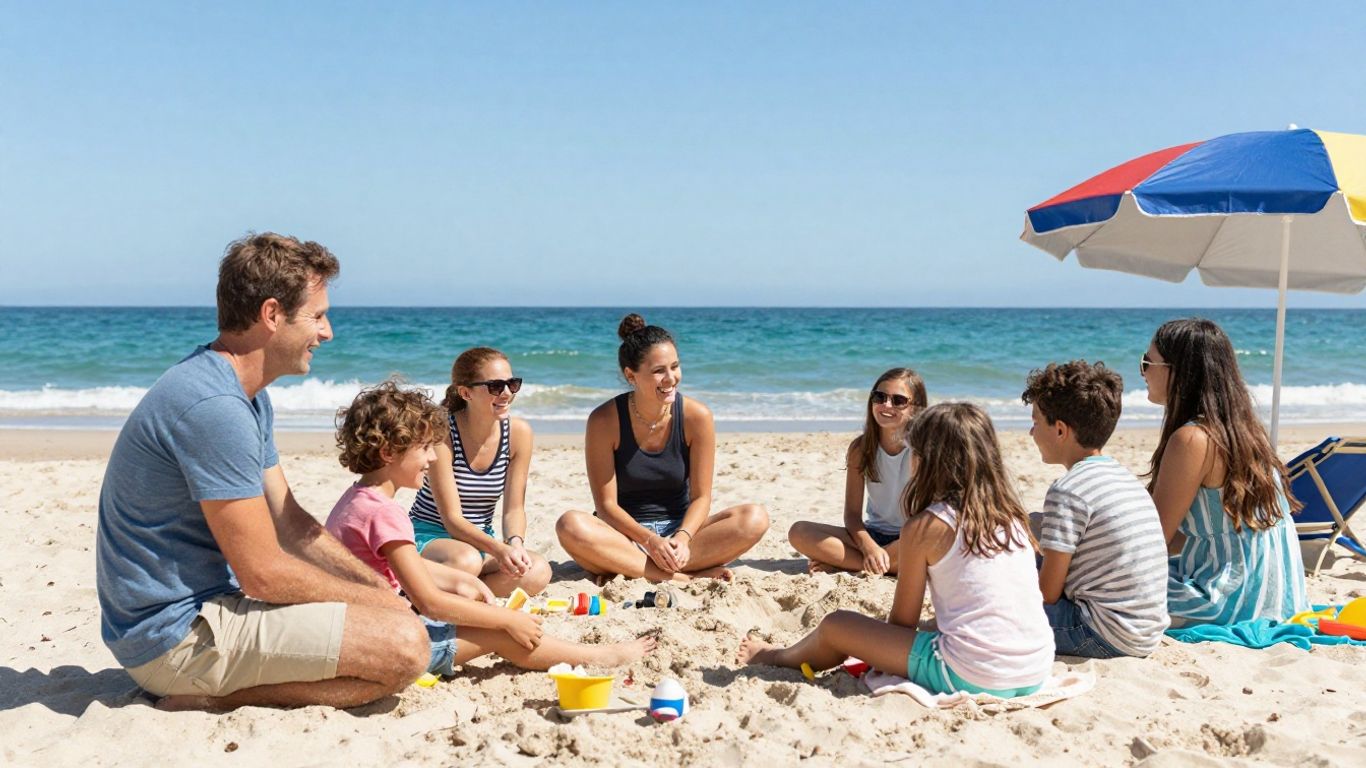
Don't underestimate the fun you can have right where you're staying. If you're at a resort, check out their daily activity schedule. If you're in a rental house, bring along some games or sports equipment. A deck of cards, a board game that works for a crowd, or even a set of Nerf guns can provide hours of entertainment. Sometimes the most memorable moments happen spontaneously, like an impromptu family talent show or a fiercely competitive game of charades. Having these simple options readily available means you can fill any lulls in the schedule without a lot of extra effort or expense.
Capturing Memories from Your Family Trip
You know, vacations are great and all, but what really makes them special long after you've unpacked? It's the memories you make, right? And how do you hold onto those? Photos and videos, of course! But it’s not just about snapping a quick selfie. Let’s talk about how to really capture the magic of your extended family getaway.
Document Spontaneous Moments
Sure, posed family portraits have their place. They look nice on the mantelpiece. But honestly, some of the best shots are the ones you don't plan. Think about it: the kids giggling uncontrollably as they chase waves, Grandpa telling a story with that twinkle in his eye, or everyone crammed onto the couch playing a board game. These unscripted moments are the heart of your trip. Keep your phone or camera handy, but don't let the pursuit of the perfect shot take over the actual experience. Sometimes, the best way to document is to just be present and let the moments unfold naturally.
Consider Casual Family Portraits
Okay, so I said spontaneous is great, but a few planned photos are good too. You don't need to rent a studio or hire a fancy photographer if that's not your vibe or budget. You can set up a tripod in a scenic spot at golden hour, or even just ask a friendly stranger to snap a few shots of everyone together. The goal here isn't perfection; it's capturing everyone looking reasonably happy and together. Maybe pick one afternoon for a quick session. It doesn't have to be a big production.
Here’s a quick idea for a photo session plan:
Location Scout: Find a nice spot near your accommodation or a local landmark.
Gather the Troops: Give everyone a heads-up about 15-30 minutes before.
Mix It Up: Get a big group shot, then smaller family units, maybe cousins together.
Keep it Short: Aim for 30-60 minutes max to avoid photo fatigue.
Preserve the Joy of Shared Experiences
Beyond just photos, think about other ways to remember the trip. Maybe someone keeps a travel journal and jots down funny anecdotes or favorite meals each day. You could create a shared digital album where everyone uploads their best pictures and videos. Or, perhaps, you all agree to learn a new skill together – like making pasta from scratch or trying a local dance – and the memory of that shared effort becomes a keepsake in itself. It’s about more than just looking at pictures; it’s about remembering the feeling of being together and experiencing something new as a family.
Take Stock After the Trip
Once everyone's back home and the suitcases are unpacked, it's a good idea to take a moment to think about how the trip actually went. It doesn't have to be a formal meeting or anything, but just a quiet moment to jot down some thoughts can be super helpful. What parts of the vacation really clicked with everyone? Were there any activities that fell flat or caused more stress than fun? Thinking about these things while they're still fresh in your mind makes a big difference for the next time around.
Identify What Worked Well
Let's be honest, planning a big family trip is a juggling act. So, when something goes right, it's worth noting! Maybe it was the way you handled meals, or perhaps the accommodation choice was a huge hit. Did the mix of group activities and free time feel about right? Pinpointing these successes helps you replicate them. For instance, if everyone raved about the potluck dinner system, make a note to do that again. If the kids' club was a lifesaver, remember to look for similar amenities next time.
Here are a few things to consider:
Accommodation: Did the size and layout work for everyone? Was there enough common space and private space?
Activities: Were they engaging for a range of ages? Was there a good balance between planned events and spontaneous fun?
Food: How did the meal plan go? Were there any particular meals that were a big hit or a miss?
Pacing: Did the schedule feel too rushed or too slow? Was there enough downtime?
Incorporate Feedback for Next Time
Talking about what worked and what didn't is only half the battle. The real magic happens when you actually use that information to plan the next trip. Don't be afraid to ask for input from other family members, too. A quick email or group chat asking for their favorite moments or any suggestions can provide even more insight. The goal is to make each family vacation a little bit better than the last. It's all about learning and adapting, so that future get-togethers are even more enjoyable for everyone involved. Remember, it’s not about perfection, it’s about connection and making memories together.
So, Was It Worth It?
Look, planning a big family trip isn't exactly a walk in the park. There will be moments where you question your sanity, especially when trying to coordinate schedules for twenty-plus people. But when you see the kids laughing together, or catch those quiet moments where the adults are actually connecting, you remember why you went through all the trouble. These trips are more than just vacations; they're investments in memories and relationships that last a lifetime. So, take a deep breath, embrace the chaos, and start planning the next one. You won't regret it.
Who should be in charge of planning the vacation?
It's a good idea to have a small group of people, maybe one person from each family, make the main decisions. This helps keep things organized and avoids too many opinions getting in the way. Think of it as a 'planning committee'!
How do we figure out where to go and what to do?
Talk to everyone involved before picking a spot! Ask what they like – relaxing on a beach, exploring a city, or seeing animals. Also, consider things like food allergies or if anyone needs a place that's easy to get around. Knowing everyone's preferences helps pick a place that most people will enjoy.
What's the best way to handle money for the trip?
Figure out the total cost and how much each family can chip in before you book anything. It's helpful if someone (like grandparents) can cover big things like the place to stay. This way, everyone knows what to expect and no one feels stressed about money.
How do we find a place that fits everyone?
Look for places that have enough bedrooms for each couple and spots where kids can sleep, like bunk beds or pull-out couches. It's also super important for each smaller family to have their own space where they can have some quiet time away from the bigger group.
Should we plan every minute of the vacation?
It's good to plan a few fun group activities, like one main thing each day. But don't overschedule! It's also really nice for smaller families or just the adults to have time to do their own thing or relax separately.
How do we manage meals with so many people?
A great way to handle meals is to assign each family one meal to plan and cook for everyone. This saves money and is a fun way to share cooking duties. For breakfasts, keeping it simple with things like cereal, fruit, and muffins works well so everyone can eat when they wake up.
What if people start to get on each other's nerves?
It's normal for small disagreements to pop up. The best approach is to talk about any feelings openly and kindly. Try to be understanding and remember that everyone is doing their best. Sometimes, just having a relaxed chat can solve a lot of problems.
How long should an extended family trip be?
Shorter trips, like a long weekend, can sometimes be better when you have a lot of people. This way, people don't have to use too many vacation days from work. It also helps prevent anyone from getting tired or stressed out from being together for too long.