Planning a family reunion trip to Hawaii might seem like a big undertaking, but it doesn't have to be a headache. It's all about getting everyone on the same page and picking the right spots for your group. Whether you're looking for adventure, relaxation, or a bit of both, Hawaii has something for everyone. Let's figure out how to make this trip amazing for all your relatives.
Key Takeaways
When planning a hawaii family reunion trip, figure out what everyone in your group needs and wants. Talk to your family to get their ideas and make sure everyone feels heard.
Pick the Hawaiian island that best suits your family. Oahu is good for first-timers, Maui has nice beaches and food, the Big Island has volcanoes, and Kauai offers lush nature.
Find places to stay that work for everyone. Think about big vacation homes where you can all hang out together, or resorts with lots of things to do. Sometimes, rooms next to each other are a good idea too.
Set a budget for your hawaii family reunion trip. Figure out how much flights, places to stay, food, and fun activities will cost. Look for ways to save money where you can.
Make the most of your hawaii family reunion trip by focusing on doing things together. Whether it's relaxing on the beach, exploring nature, or enjoying local food, these shared moments will create lasting memories for your family.
Planning Your Hawaii Family Reunion Trip
Getting a big family together for a trip to Hawaii takes some serious coordination. It's not like planning a quick weekend getaway for two! You've got different ages, interests, and budgets to think about. The key is to get everyone on the same page early on.
Understanding Your Multigenerational Group's Needs
Think about who's coming. Are there toddlers who need naps and early bedtimes? Teenagers looking for adventure? Grandparents who prefer a slower pace? It's helpful to get a feel for what everyone hopes to get out of the trip. Maybe some want to hit every historical site, while others just want to relax on the beach. A quick survey or a family chat can go a long way in figuring this out.
Designating a Point Person for Communication
Trying to get information to ten different people can get messy fast. It's a good idea to pick one person, or maybe two, to be the main contact. This person can handle questions, send out updates, and generally keep things organized. It makes it way easier to make sure everyone has the right info without a million emails flying around.
Collaborative Planning for Family Input
While one person might be the main organizer, it doesn't mean they have to do it all alone. Involving family members in the planning process can make everyone feel more invested. You could have different people research activities on different islands, or ask for suggestions on places to eat. This way, it feels like a group effort, and you're more likely to plan things that a lot of people will enjoy.
Choosing the Best Hawaiian Island for Your Family
Picking the right Hawaiian island for your family reunion is a big decision, and honestly, there's no single 'best' one. It really boils down to what your crew is looking for. Think about what kind of vibe you want – are you after a bustling hub with tons of attractions, or something more laid-back and nature-focused? Getting everyone on the same page early on will make the rest of the planning so much smoother.
Oahu: A Great Starting Point for First-Timers
If many of your family members haven't experienced Hawaii before, Oahu is often a solid choice. It's got a bit of everything, from famous spots like Waikiki Beach and Pearl Harbor to historical sites like Iolani Palace. You'll find a wide range of places to stay, from budget-friendly options to luxury resorts. Plus, there are plenty of activities that appeal to different ages, like surfing lessons, visiting Kualoa Ranch, or enjoying a traditional luau. It's a place where you can easily explore beyond your hotel.
Maui: Upscale Dining and Beautiful Beaches
Maui is another popular island, known for its stunning beaches and more upscale feel compared to Oahu. While it can be a bit pricier, the scenery is breathtaking. Beyond the sandy shores, Maui offers fantastic dining experiences, lush hiking trails, and the famous Road to Hana drive, which is an adventure in itself. It's a great pick if your family enjoys a mix of relaxation and scenic exploration.
Hawaii Island: Volcanoes and Vast Landscapes
Often called the "Big Island," this place is a must-see for anyone fascinated by geology. Hawaii Volcanoes National Park is the main draw, offering a unique chance to see volcanic activity. But the island is huge and diverse, with black sand beaches, coffee farms, and great spots for snorkeling and manta ray night swims, especially around Kona. It feels more spread out and offers a different kind of natural beauty.
Kauai: Lush Scenery and Unique Adventures
Kauai, known as the "Garden Isle," is incredibly green and dramatic, with towering cliffs and lush rainforests. It's perfect for families who love the outdoors. You can explore Hawaii's only navigable rivers, go ziplining through the jungle, or relax on beautiful beaches like Poipu. It offers a more tranquil and adventurous experience, with charming small towns to discover.
Selecting Accommodations for Group Comfort
Finding the right place to stay is one of the biggest decisions for a family reunion trip to Hawaii. The perfect accommodation has to suit everyone's needs, from rambunctious toddlers to grandparents looking for some quiet. Here are a few different options to consider and some key points for each.
Vacation Rentals for Communal and Private Space
Vacation rentals are a favorite for big groups because you get plenty of shared space plus the privacy of individual bedrooms. It’s like having your own family home in paradise. When searching for a good vacation rental, keep these in mind:
Look for enough bedrooms and bathrooms to keep squabbles to a minimum.
A big kitchen can save money since you don't have to eat out every meal, and it makes it easier to accommodate picky eaters or dietary needs.
Check for on-site laundry—it's way more convenient, especially if traveling with little kids.
Resorts Offering Diverse Amenities
Resorts are great if your family wants activities and convenience in one place. Many Hawaiian resorts offer kids’ clubs, pools, and easy beach access. Some even have free cultural classes like lei making or hula lessons, so there's always something happening. Consider:
On-site restaurants for hassle-free meals.
Pools and hot tubs (always family favorites).
Babysitting services if adults want a break.
Considering Adjoining Rooms for Convenience
Not every group wants to share a house. Sometimes, booking a set of hotel rooms right next to each other (or connecting rooms) is just easier. This way, families have some privacy but are still nearby for late-night chats or last-minute plans. Here's why adjoining rooms work well:
Grandparents or early risers can enjoy their own space, undisturbed.
Teens or families with young kids can have a buffer without feeling isolated.
It's easy to swap rooms and keep everyone connected without long hallway treks.
A few things to remember when booking:
Request adjoining or connecting rooms well in advance—they go fast in family-friendly hotels.
Double-check room policies; not all hotels guarantee connections.
Ask about accessibility if anyone in your group has mobility needs.
Budgeting for Your Hawaii Family Reunion
Okay, let's talk about the money part of planning your big family trip to Hawaii. It's probably the biggest hurdle for most families, and honestly, Hawaii isn't exactly a cheap destination. But don't let that scare you off just yet! With some smart planning, you can make that dream vacation a reality without breaking the bank. The key is to be realistic about costs and start saving early.
Estimating Core Travel Expenses
First up, the biggies: flights and lodging. These are usually the most significant chunks of your budget. Flights can vary wildly depending on where everyone is flying from and when you book. For a rough idea, think anywhere from $600 to $900 per person for economy seats, but this can go up or down. For accommodations, renting a condo or a large vacation home can often be more cost-effective for a group than multiple hotel rooms. You might be looking at $1300 to $2500 for a week in a decent spot, maybe more for prime locations or larger places. Don't forget a rental car, especially if you're not staying right in a city center; budget around $500-$700 for that.
Here’s a quick look at some potential baseline costs for a week-long trip for a family of four, just to give you a starting point:
Factoring in Food and Activity Costs
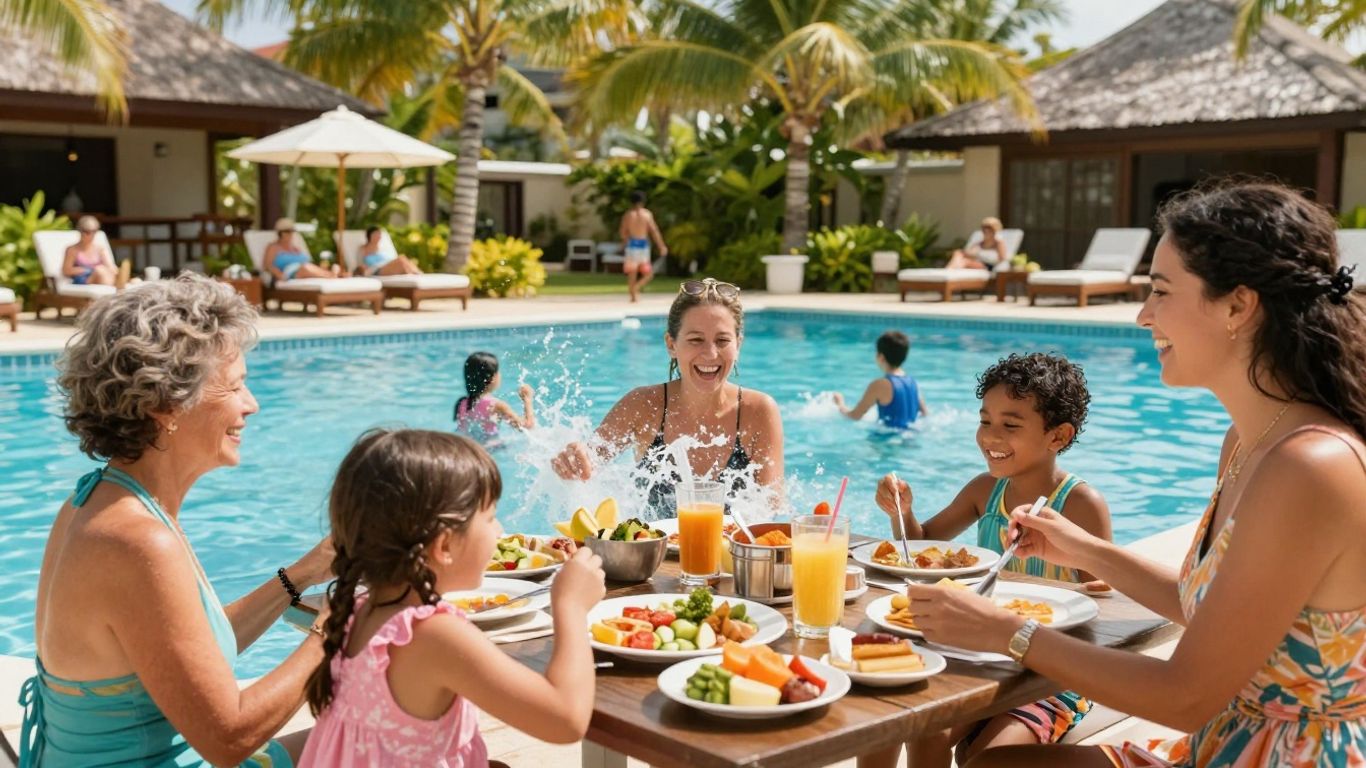
Beyond the basics, you've got food and fun. Eating out for every meal can add up fast, especially with a big group. Consider mixing it up: grab plate lunches from local spots, hit up grocery stores for picnic supplies, and maybe plan a few nights where you cook at your rental. A traditional luau can be a fantastic experience, but it's also a splurge, so decide if it fits your budget. Paid excursions like snorkeling tours or ziplining are amazing, but they also cost money. You can find great deals on group travel packages if you look around.
Food: Mix of eating out, groceries, and casual spots.
Activities: Prioritize what the group wants to do most.
Souvenirs: Set a small budget for keepsakes.
Saving Strategies for a Dream Vacation
So, how do you make this dream trip happen without emptying everyone's savings? Start by talking openly with your family about what everyone can contribute. Look for travel deals and consider traveling during the shoulder seasons (spring or fall) when prices might be a bit lower and crowds thinner. Booking flights and accommodations in advance can often secure better rates. Also, think about using a travel advisor who specializes in Hawaii family reunions ; they often have access to group discounts and can help streamline the booking process, potentially saving you money and a lot of headaches.
Remember, a Hawaii vacation is an investment in family memories, so planning the budget carefully is the first step to making it happen.
Aligning Travel Dates with Family Schedules
Getting everyone on the same page for a reunion in Hawaii is a beast. Start by checking school breaks, work holidays, and any big events like weddings or graduations. The earlier you dig into calendars and set a date, the better shot you'll have at getting your whole crew together. Group chats or a simple online poll can help narrow down dates without fifty emails back and forth. And keep in mind—some folks may have stricter schedules, so a little flexibility goes a long way.
Key Tips:
Use an online poll tool (like Doodle or Google Forms) to gather everyone's availability.
Consider time zones and long-haul travel days when choosing start and end dates.
Give family members at least six months' notice, if possible, especially for international flights or larger groups.
Considering Seasonal Events Like Whale Watching
There are things you can only experience in Hawaii during certain times of the year—whale watching, for example, happens from December to May. If there’s a must-see or special event your family wants to include, plan around it so no one leaves disappointed.
Here's a quick rundown of notable Hawaii events and seasons:
Checklist:
Double-check exact dates for key festivals or events.
Weigh the pros and cons of visiting during a major local event (like a festival)—it can mean bigger crowds or higher prices, but also cool memories.
Make reservations early for popular tours or activities, especially during peak seasons.
Navigating Peak Seasons and Off-Peak Advantages
It’s true—Hawaii is amazing year-round, but not all months are created equal when it comes to crowds and price tags. If you want warmer and drier weather, summer and winter holidays boom with visitors, but these are also the most expensive times to fly and book hotels.
Comparing Hawaii's Tourist Seasons
Tips for deciding:
If your family loves a party vibe and doesn’t mind bigger crowds, aim for school breaks.
Want to save money and avoid lines? Off-peak months like September or early May are wallet-friendly and quieter.
Consider hurricane season (June–November), but don’t stress—storms are rare, and fall is actually pretty nice for travel.
Unforgettable Activities for Every Generation
Hawaii is packed with things to do, and the trick is finding stuff that works for everyone, from your littlest cousins to your wisest aunties and uncles. You don't want anyone feeling left out, right? The good news is, this place has a little something for every pace and interest.
Embracing Beach Days and Ocean Activities
Let's be real, you can't go to Hawaii without hitting the beach. It's practically the law. But beach time can be more than just lounging. For the little ones, building sandcastles or splashing in the shallows is pure joy. Older kids and adults might want to try snorkeling to see some colorful fish or maybe even take a beginner surf lesson. Many beaches have calm waters perfect for just floating and relaxing. The ocean is the heart of Hawaii, and there are countless ways to connect with it.
Gentle Waves: Look for beaches known for calmer waters, ideal for younger children and less confident swimmers.
Snorkel Spots: Many areas offer easy access to reefs teeming with marine life.
Water Sports: Consider paddleboarding or kayaking for a gentle way to explore the coastline.
Exploring Hiking Trails and Natural Wonders
Beyond the beaches, Hawaii's landscapes are incredible. Think lush rainforests, dramatic cliffs, and stunning waterfalls. Hiking can be adapted for different fitness levels. Some trails are paved and easy, perfect for a leisurely stroll with older family members, while others offer more of a challenge for the adventurous.
Engaging with Hawaiian Culture and History
Hawaii isn't just pretty scenery; it's got a deep history and vibrant culture. Visiting historical sites like Pearl Harbor or Iolani Palace offers a look into the past. You could also explore local craft markets, attend a free hula performance, or visit a cultural center. Learning about the islands' heritage can be a really enriching experience for the whole family.
Enjoying Poolside Relaxation
Sometimes, the best activity is no activity at all. Many resorts and vacation rentals have fantastic pools. This is a great spot for everyone to just hang out, swim, play pool games, or simply soak up the sun without the sand. It’s a low-key way to spend time together, especially during the hotter parts of the day or when little ones need a break from the sun. You can even pack some snacks and make an afternoon of it.
Planning these activities with input from your family can make the trip truly special. Remember, the goal is to create shared moments, whether it's through an exciting excursion or a quiet afternoon by the pool. You can find great ideas for family activities that fit any group.
Experiencing Local Flavors and Traditions
Hawaii is more than just pretty beaches; it's a place with a really rich culture and some seriously tasty food. When you're planning a family reunion, making time to really dig into what the islands have to offer food-wise and culturally is a must. It's a great way to connect everyone, from the youngest to the oldest.
Sampling Diverse Hawaiian Cuisine
Forget just sticking to what you know. Hawaii's food scene is a fantastic mix of influences. You'll find amazing fresh poke, often available at local grocery stores, which is a super easy and delicious way to get a taste of the islands. Plate lunch spots are everywhere and offer hearty, affordable meals that are a local staple. Don't shy away from trying different Asian-inspired dishes you'll find at many eateries; they're a big part of the local flavor. Trying these local favorites is a simple way to experience the island's unique culinary identity.
Considering a Traditional Luau Experience
A luau can be a really memorable part of a family trip, especially if you have older kids and a budget that allows for it. It's not just about the food, though the buffet is usually pretty good with lots of tropical drinks. You also get to see live music and hula performances, which are captivating. It's a whole evening event, so be prepared for that. For younger children, it might be a bit long, but for a multigenerational group, it often hits the mark for a special night out.
Visiting Local Eateries and Markets

Beyond the big attractions, seek out smaller, local spots. Farmers' markets are wonderful for sampling fresh tropical fruits you might not see anywhere else and picking up local crafts. Exploring neighborhood restaurants, especially those known for plate lunches or specific local specialties, can lead to some of the most authentic and satisfying meals. For family reunions, consider dining options carefully. Resorts offer convenience but may lack personalization. Villas provide a more intimate and customizable culinary experience, allowing for tailored meals that suit everyone's tastes. This flexibility can be ideal for milestone celebrations. You can find some great spots by asking locals for recommendations or checking out local food blogs .
Here's a quick look at some popular local food types:
Poke: Cubed raw fish, usually seasoned.
Plate Lunch: Typically includes rice, macaroni salad, and a main protein like kalua pig or teriyaki chicken.
Shave Ice: A refreshing treat, often topped with sweet syrups and sometimes condensed milk.
Manapua: A steamed or baked bun filled with various ingredients, often char siu pork.
Working with a Hawaii Travel Advisor
Planning a big family trip to Hawaii can feel like a lot, right? You've got different ages, different interests, and everyone wants something a little different. That's where folks who really know the islands can be a lifesaver. Think of them as your personal Hawaii guides.
These travel pros live and breathe Hawaii. They know the best spots that aren't always in the big guidebooks, the restaurants that locals love, and how to get around without a hitch. They can help you figure out which island is the best fit for your whole crew, not just the most popular one. Plus, they often have connections that can get you better deals or special access.
Utilizing Local Knowledge for Hidden Gems
Sure, you can find the big attractions online, but what about that quiet beach perfect for little kids, or a hiking trail with an amazing view that most tourists miss? Local advisors know these places. They can point you towards unique cultural experiences that aren't just the standard tourist fare, like a small community festival or a craft workshop.
They can also help you avoid common pitfalls. Maybe a certain road is closed for construction, or a popular activity is booked solid for months. A local expert will have this info and can steer you clear of disappointment, suggesting alternatives that are just as good, if not better.
Streamlining Bookings and Itinerary Planning
Trying to book flights, hotels, rental cars, and activities for a large group can be a headache. A travel advisor can handle all of that for you. They can put together a day-by-day plan that makes sense, balancing time for planned events with downtime. This means less stress for you and more time to actually enjoy your family.
Here’s a quick look at what they can help with:
Accommodation: Finding places that work for everyone, from cribs for babies to accessible rooms for grandparents.
Activities: Booking tours, luaus, or even just making dinner reservations at popular spots.
Transportation: Arranging airport transfers or figuring out the best way to get around the island.
Customization: Tailoring the whole trip to your family's specific budget and interests.
It's like having a friend on the inside, making sure your Hawaiian reunion goes off without a hitch.
Creating Lasting Family Memories in Hawaii
Hawaii is more than just a vacation spot; it's a place where generations can connect and build stories that will be told for years. The islands offer a stunning backdrop for making these moments happen, whether it's a casual game night at your rental, a quiet picnic watching the sunset, or a meaningful visit to a historical site. The real magic of a trip like this isn't just about seeing new things, it's about the time spent together, making sure everyone feels included and has a chance to relax and enjoy.
Focusing on Shared Experiences
When planning your Hawaiian adventure, try to prioritize activities that bring everyone together. Think about things that appeal to a wide range of ages and interests. It’s easy to get caught up in ticking off a list of sights, but sometimes the most memorable moments come from simple, shared activities. These shared experiences are what truly weave the family closer.
Beach Days: Hawaii's beaches are perfect for everyone. From building sandcastles with the little ones to trying out some gentle waves, there's something for all ages. Look for beaches with calm waters and plenty of space.
Cultural Immersion: Attending a luau can be a fantastic way to experience local food and entertainment. Alternatively, exploring local markets or visiting historical sites offers a glimpse into the islands' rich past.
Nature Exploration: Gentle hikes through lush landscapes or scenic drives can be enjoyed by most family members. Many trails offer beautiful views without being too strenuous.
Relaxation Time: Don't forget to schedule downtime. Poolside lounging or simply enjoying conversations on a lanai can be just as valuable as any planned excursion.
Documenting Your Family's Journey
Capturing these moments is important, but it’s how you do it that matters. Instead of just snapping photos, think about creating a family travel journal or a simple video montage. Encourage everyone to contribute their thoughts, drawings, or favorite memories from the day. This collaborative effort makes the documentation itself a shared activity.
Cherishing the Bond of Togetherness
Ultimately, a family reunion trip to Hawaii is about strengthening connections. It’s a chance to step away from daily routines and focus on what truly matters: family. By planning thoughtfully and embracing the spirit of aloha, you can create a vacation that not only provides fun and adventure but also leaves your family with a deeper appreciation for each other and memories that will last a lifetime.
Ready for Your Hawaiian Family Adventure?
So, you've got a plan now, right? Hawaii is an amazing spot for families to get together and make some real memories. It might seem like a lot to figure out, but remember, it's all about spending time with your favorite people in a beautiful place. Whether you're hitting the beaches, exploring the islands, or just kicking back at the resort, the most important part is being together. Don't stress too much about every little detail; focus on the fun and the connections. Hawaii Aloha Travel is here to help if you want to make things super easy, but even if you plan it all yourself, the aloha spirit will be waiting for you. Get ready for a trip your family will be talking about for years to come!
What's the best way to start planning a family reunion in Hawaii?
The best way to kick things off is by getting everyone in your family talking! Figure out what each person wants to do and see. It's also super helpful to pick one person to be the main contact for all the planning. This way, everyone stays in the loop and things don't get confusing.
Which Hawaiian island is best for families?
It really depends on what your family likes! Oahu is great for first-timers with lots to see and do. Maui offers beautiful beaches and fancier places to eat. Hawaii Island (the Big Island) is amazing for seeing volcanoes, and Kauai is perfect for lush scenery and unique adventures. Think about what kind of vibe your family is looking for.
Where should our family stay in Hawaii?
You have a few good choices! Renting a big house or condo can give you lots of space to hang out together and also places to get away. Big resorts are awesome because they have pools, restaurants, and activities all in one spot. Sometimes, booking rooms next to each other in a hotel works well too.
How much money should we plan for a Hawaii family trip?
Hawaii can be pricey, so it's smart to save up. Think about flights, where you'll stay, a rental car, and then add in money for food, souvenirs, and fun activities. It's possible to do it on a budget, but most families save for a while to make it a really special trip.
When is the best time to go to Hawaii with family?
The best time is really whenever works best for your family's schedule! If you want to see whales, aim for December to March. Generally, try to avoid the busiest times like school holidays if you want fewer crowds and maybe better prices, but any time you can go is a good time to make memories.
What are some fun things for all ages to do in Hawaii?
Hawaii has something for everyone! You can have amazing beach days, swim, snorkel, or just build sandcastles. Hiking through beautiful nature is popular too. Learning about Hawaiian culture at museums or historical sites is really interesting. And don't forget relaxing by the pool!
What kind of food should we try in Hawaii?
You'll find all sorts of yummy food! Don't just stick to fancy restaurants. Try local spots for plate lunches, fresh poke (raw fish salad), and delicious Asian-inspired dishes. Going to a luau is a classic experience with food and entertainment, but it can be a bit of a splurge.
Can a travel agent help plan our Hawaii family reunion?
Yes, absolutely! Local travel agents who know Hawaii really well can be a huge help. They can suggest places that fit your family's style, find hidden spots, and help book things, making the whole planning process much smoother and less stressful.