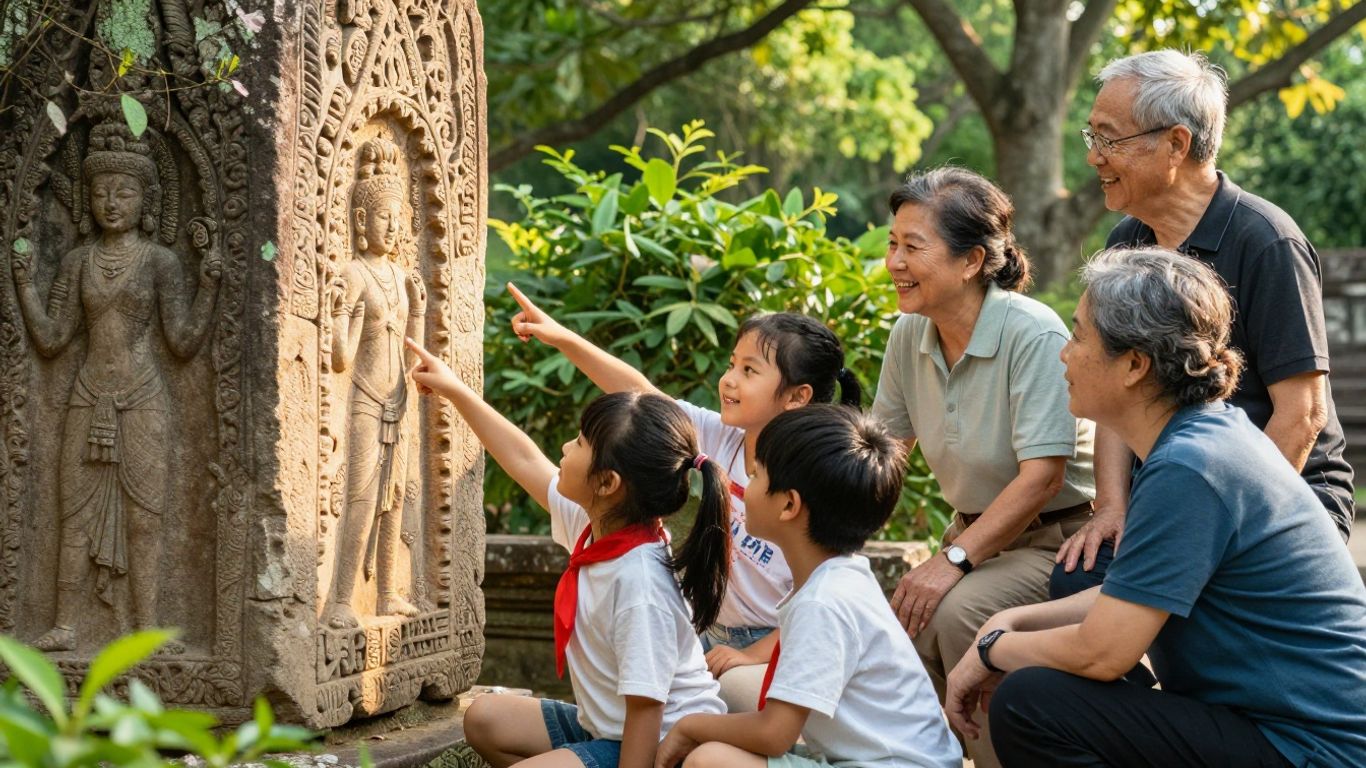

Planning a trip that brings everyone from toddlers to grandparents together can feel like a puzzle, but it's totally doable. These days, more families are choosing to vacation together, and for good reason. It’s a fantastic way to make new memories and reconnect when life gets busy. But how do you make sure everyone, from the youngest to the oldest, has a good time? It all comes down to smart planning and a little bit of flexibility. Let's dive into some multi generational travel ideas to get your family adventure rolling.
Key Takeaways
Pick a destination that has something for everyone, considering different energy levels and interests.
Talk openly about money and who pays for what before the trip to avoid awkwardness.
Create a schedule that has planned group activities but also leaves room for downtime and personal choices.
Choose activities that can be enjoyed by all, or offer different ways to participate based on ability.
Focus on making sure accommodations and travel are comfortable and easy for all age groups.
Understanding the Appeal of Traveling Together
Traveling as a big group, with grandparents, kids, and everyone in between, isn’t just a vacation—it's a chance to reconnect in a way that regular life doesn’t allow. Families often feel scattered, so creating time for each other on a trip can mean everything.
Shared experiences help family members appreciate each other outside of daily routines.
Older generations get to see the younger ones grow, while kids learn from the stories and perspectives of their elders.
There’s a unique energy when everyone’s together, laughing, exploring, and sometimes even getting lost on a hike or confused by a museum map.
Strengthening Family Bonds Through Shared Experiences
Nothing cements family ties quite like missing a train together or celebrating a birthday miles from home. These little mishaps and moments become new family lore. Trips invite everyone to step away from screens and work, which is honestly rare these days.
Meals together, group outings, or just morning coffee at the rental—these build tighter bonds.
Kids might see their parents as more than just rule-makers. Grandparents can pass down traditions, like how to play a favorite card game.
When everyone pitches in, even for something as simple as grocery shopping, it builds trust and a sense of teamwork that sticks.
The Rise of Multi Generational Travel
More families are making these trips a tradition, especially as people want to make up for lost time. Industry surveys show group and extended family vacations are on the rise, with everyone looking for meaning as much as fun.
*Estimated, based on current travel trends.
Why is this happening?
Life moves fast; families are eager to spend real time together.
People want to share travel memories with as many loved ones as possible, not just in photos but in person.
These trips help different generations see each other’s worlds and maybe understand each other a little better.
Choosing the Perfect Destination for All Ages
Picking a spot that everyone, from the littlest ones to the grandparents, will enjoy can feel like a puzzle. You want excitement, but also relaxation. Culture, but also fun. It’s about finding that sweet spot where diverse interests can actually meet.
Balancing Diverse Interests and Ages
This is where the real planning starts. Think about what each age group generally likes. Toddlers might need playgrounds and short bursts of activity, while teens might want adventure or independence. Older adults might prefer historical sites, leisurely strolls, or comfortable downtime. The trick is to find a place that offers a bit of everything, or at least has options that can cater to different energy levels and preferences. A city with museums and parks, or a coastal area with beaches and nearby historical towns, could work well. The goal is to have activities that can either bring everyone together or allow for smaller, interest-based groups to form naturally.
Considering Accessibility and Pace
When you’ve got multiple generations traveling, accessibility is a big deal. Are there lots of stairs? Is public transport easy to use for someone with mobility issues? Are the walking distances manageable for everyone? It’s also about the pace of the trip. Trying to cram too much into one day will exhaust everyone, especially the younger and older members of the group. Building in downtime isn't just nice; it's necessary. Think about places that are easy to get around, whether that’s a compact city center or a resort where everything is close by. Places with good infrastructure, like reliable public transport or readily available taxis, make a huge difference.
Selecting Locations with Broad Appeal
Some destinations just have a natural draw for a wide range of people. Think about places that offer a mix of history, nature, and good food. For example:
Italy: Offers ancient history for curious minds, delicious food for all palates, and beautiful landscapes for relaxing.
Costa Rica: Great for nature lovers with opportunities for wildlife spotting, zip-lining for the adventurous, and relaxing beaches.
National Parks (USA): Provide stunning natural beauty, hiking trails for various fitness levels, and educational visitor centers.
It’s not just about ticking off sights; it’s about creating an environment where everyone feels comfortable, engaged, and able to participate at their own level. A destination that’s too remote, too physically demanding, or too niche in its offerings will likely leave someone feeling left out.
Open Communication About Costs
Talking about money can be awkward, right? But when you're planning a trip with different generations, it's super important to get this out in the open early. Think about it: not everyone has the same amount of cash to throw around. Before you even start looking at destinations, have a chat about what everyone is comfortable spending. Are we thinking fancy hotels and eating out every night, or more of a "groceries and cooking in" kind of vibe? Maybe a mix? Laying it all out upfront stops any awkward surprises or feelings of unfairness down the road. It’s about making sure everyone feels good about the financial commitment, whatever that looks like.
Fairness in Financial Contributions
Once you've got a general idea of the budget, figure out how everyone's chipping in. This doesn't always mean splitting everything down the middle. Maybe some folks are covering lodging, while others are handling meals or activities. Or perhaps there's a set amount each person contributes to a shared pot. It’s about finding a system that feels equitable for everyone involved. Sometimes, younger family members might contribute less financially but more in terms of planning or helping out during the trip. The key is to have this discussion openly and respectfully, so everyone understands their role and feels their contribution is valued.
Defining Shared Goals for the Trip
Beyond just the money talk, what do people actually want out of this trip? Are the grandparents looking for relaxation and quality time? Are the teens hoping for adventure and some independence? Are the parents just hoping everyone gets along? Setting clear, shared goals for the trip helps guide decisions and manage expectations. It’s not just about seeing sights; it’s about connecting, relaxing, or experiencing something new together. When everyone’s on the same page about the why behind the trip, it makes navigating the how much smoother, even when disagreements pop up.
Here are some things to consider when discussing finances:
Accommodation Style: Are you looking at hotels, vacation rentals (like Airbnb or VRBO), or perhaps an all-inclusive resort? Each has different cost implications for lodging, food, and amenities.
Dining Preferences: Will you be eating out for most meals, cooking some meals yourselves, or a combination? Factor in the average cost of meals in your chosen destination.
Activity Budget: Some activities are free or low-cost (like visiting parks or beaches), while others can be quite expensive (like theme parks, guided tours, or adventure sports). Discuss how much the group wants to allocate to paid activities.
Transportation: Consider costs for flights, rental cars, public transport, or even ride-sharing services at your destination. Long airport transfers can also add up.
Crafting a Flexible Itinerary
When you're planning a trip with folks of all ages, the itinerary can feel like a tightrope walk. You want to pack in fun, but nobody wants to feel rushed or left out. The trick is to build a plan that has some solid points but also plenty of wiggle room. Think of it like this: you have a few main events, but how you get to them and what you do in between is totally up in the air.
Designing Days with Anchors and Options
Every day can have one main thing, like a late morning visit to a cool local market or an early dinner at a place everyone can agree on. This gives you a shared experience to look forward to. After that anchor, let people choose what they want to do. Maybe some want to hit a playground, others want to explore a nearby shop, and the teens might want to find a spot to just chill. This way, everyone gets a bit of what they want without forcing anyone into something they’d rather skip. It’s about creating a shared story for the day, but not demanding everyone have the exact same energy levels or interests at all times.
Incorporating Downtime and Unstructured Moments
Seriously, don't forget to schedule in doing nothing. Some of the best moments happen when you're not trying to do anything specific. Think about those times when you're just hanging out at the hotel, or maybe everyone's gathered in a common area. Bonding often happens in these quiet margins, not just during the big planned activities. It’s in these unstructured moments that conversations flow naturally and people can just be themselves. This is especially important for younger kids who need breaks and older folks who might appreciate a slower pace.
Balancing Group Activities with Personal Time

It’s a balancing act, for sure. You want enough group activities so everyone feels connected, but you also need to allow for personal time. Maybe that means setting aside a few hours each afternoon where people can go off on their own or in smaller groups. This could be a chance for the teens to explore a bit independently, or for adults to grab a quiet coffee. It’s about giving everyone the freedom to recharge or pursue a personal interest without feeling guilty. This kind of flexibility is key to making sure everyone, from the youngest to the oldest, enjoys the trip without feeling overwhelmed or bored. Planning a trip that works for everyone is a bit like planning a family reunion trip for all ages , where variety and choice are your best friends.
Planning Activities for Wide Appeal
When you've got a mix of ages on a trip, from toddlers to grandparents, figuring out what to do can feel like a puzzle. The trick is to find activities that everyone can enjoy, or at least participate in, without feeling bored or overwhelmed. It’s not about forcing everyone into the same thing, but about creating opportunities for shared fun with room for individual preferences.
Activities with Optional Intensity Levels
Think about experiences that have different ways to engage. For example, a scenic mountain lift ride is great for everyone. Those who love a bit of adventure can hike down, while others can enjoy the view from the top or take the lift back. Or consider a bustling market where younger kids might enjoy a simple scavenger hunt for specific snacks, while adults browse the stalls. The goal is to have a main event that brings everyone together, with built-in options for different energy levels and interests. This way, no one feels left out, and people can opt in or out of more strenuous parts without disrupting the group.
Engaging Everyone Without Splitting Up
It’s tempting to split the group when interests diverge, but try to design days with a central activity that acts as an anchor. This could be a shared meal, a visit to a specific landmark, or a particular experience. Around this anchor, you can build in flexible options. For instance, after a morning visit to a historical site, one group might want to explore a nearby museum, while another heads to a park. The key is that the anchor activity provides a common experience and a clear meeting point, making it easier to reconvene later. This approach keeps the group connected without demanding that everyone do the exact same thing all day long.
Finding Joy in Shared Exploration
Sometimes, the best moments aren't the big planned events, but the small, spontaneous ones. Building simple, repeatable rituals can make a big difference. This could be a daily morning stop for pastries at the same local bakery, a vote on which flavor of gelato to try each afternoon, or a quick evening chat about the funniest moment of the day. These small traditions create a sense of comfort and predictability, especially for younger travelers. They also give everyone a chance to connect in low-pressure ways, leading to more genuine bonding and shared memories. It’s about creating a rhythm that feels good for everyone involved.
Prioritizing Comfort and Logistics
When you're planning a trip with folks of all ages, the little things really do matter. It's not just about where you go, but how you get there, where you sleep, and making sure everyone's basic needs are met without a fuss. Think of it as building a comfy nest for your whole crew.
Accommodations That Suit Every Generation
Finding a place to stay that works for everyone can feel like a puzzle. Grandparents might want a quiet spot with easy access, while younger families need space for kids to play and maybe a kitchen for snacks. Teenagers might appreciate a bit of independence or a place with good Wi-Fi. It's about finding that sweet spot.
Consider space: Is there enough room for everyone to spread out a bit? Think about separate bedrooms or living areas.
Look for amenities: Things like a pool, a common area, or even just a good number of bathrooms can make a big difference.
Location matters: Is it close to attractions, or is it a trek to get anywhere? Easy access is key for tired legs.
Streamlining Transportation and Transitions
Getting from point A to point B can be a major source of stress, especially with a large group. Long car rides, multiple connections, or even just walking too far with luggage can wear everyone out. The goal is to minimize the 'hurry up and wait' factor.
Keep travel legs short: Try to limit how long you spend in transit each day. If a transfer takes three hours, that's a big chunk of your vacation gone.
Plan for downtime after travel: Don't schedule a big activity right after arriving. Let everyone settle in.
Have a clear plan for moving around: Whether it's a pre-booked shuttle, a rental van, or knowing the public transport routes, have it sorted.
Addressing Dietary Needs and Special Requests
This is where communication really shines. Everyone has different tastes, and some folks have specific dietary needs, allergies, or even just preferences. Ignoring these can lead to unhappy campers (literally).
Ask about allergies and restrictions: This is non-negotiable for safety.
Note strong preferences: Some people just really dislike certain foods.
Consider meal flexibility: Maybe some meals can be group affairs, while others are more individual choices.
Leveraging Geography for Smoother Travel
When you're planning a trip with folks of all ages, thinking about where you're actually going to be and how you'll get around is a big deal. It's not just about the sights; it's about making the journey itself less of a headache. Smart use of geography can seriously cut down on travel stress for everyone.
Minimizing Travel Time Between Locations
Long travel days can be rough, especially with kids or older relatives. Think about how much time you'll spend getting from point A to point B. If you have to take multiple flights, long train rides, or bus transfers, it adds up fast. Consider destinations where the main attractions are relatively close to each other. This means less time stuck in transit and more time actually enjoying yourselves.
Estimate Door-to-Door Times: Before you commit to an itinerary, map out the total travel time for each segment. This includes getting to the airport, waiting, the flight itself, and then getting from the destination airport to your accommodation. If a single transfer takes over two hours, it might be worth rethinking.
Look for Direct Routes: Whenever possible, opt for direct flights or train routes. Layovers add complexity and potential for delays, which can be particularly draining for younger children or those with less stamina.
Consider Time Zones: Factor in jet lag. Traveling across many time zones can mean losing a day or two to fatigue, so choose locations that minimize this impact if possible.
Strategic Use of Walking Distances
Walking is great, but not when everyone is already tired or carrying heavy bags. When planning your daily activities, pay close attention to how far you'll actually be walking. Keep daily transit short and avoid the triple whammy of long walks with luggage, late dinners, and rushed connections. If your hotel is a 30-minute walk from the main square, and then the museum is another 20 minutes away, that's a lot of walking for one afternoon.
Group Attractions: Try to cluster activities that are geographically close to each other. This way, you can walk between them or take a very short taxi ride, rather than needing a major transit change.
Factor in Breaks: Always build in time for rest stops. A park bench, a cafe, or even just a quiet spot to sit can make a huge difference. This is especially important for younger kids who need to burn off energy and older adults who may need to rest their feet.
Public Transport Options: If walking isn't feasible, research the local public transport. Is it easy to use? Is it accessible for strollers or wheelchairs? Sometimes a short bus or tram ride is much easier than a long walk.
Choosing Bases That Simplify Daily Logistics
Instead of moving hotels every couple of nights, try to pick one or two central locations as your home base. This cuts down on the hassle of packing and unpacking, checking in and out, and figuring out new transportation routes. Having a consistent place to return to each day provides a sense of stability and comfort for all generations.
Central Location: Select a base that offers easy access to a variety of attractions, restaurants, and amenities. This reduces the need for long day trips and makes it simpler to pop back to the accommodation if needed.
Variety of Accommodations: If you're traveling with a larger group, consider accommodations that can cater to different needs. This might mean a hotel with adjoining rooms, a vacation rental with multiple bedrooms, or even a resort with different types of suites. See family-friendly resorts .
Proximity to Essentials: Ensure your base is close to grocery stores, pharmacies, and public transport hubs. This makes it easier to manage unexpected needs or grab supplies without a major expedition.
Selecting Experiences Adults Will Love
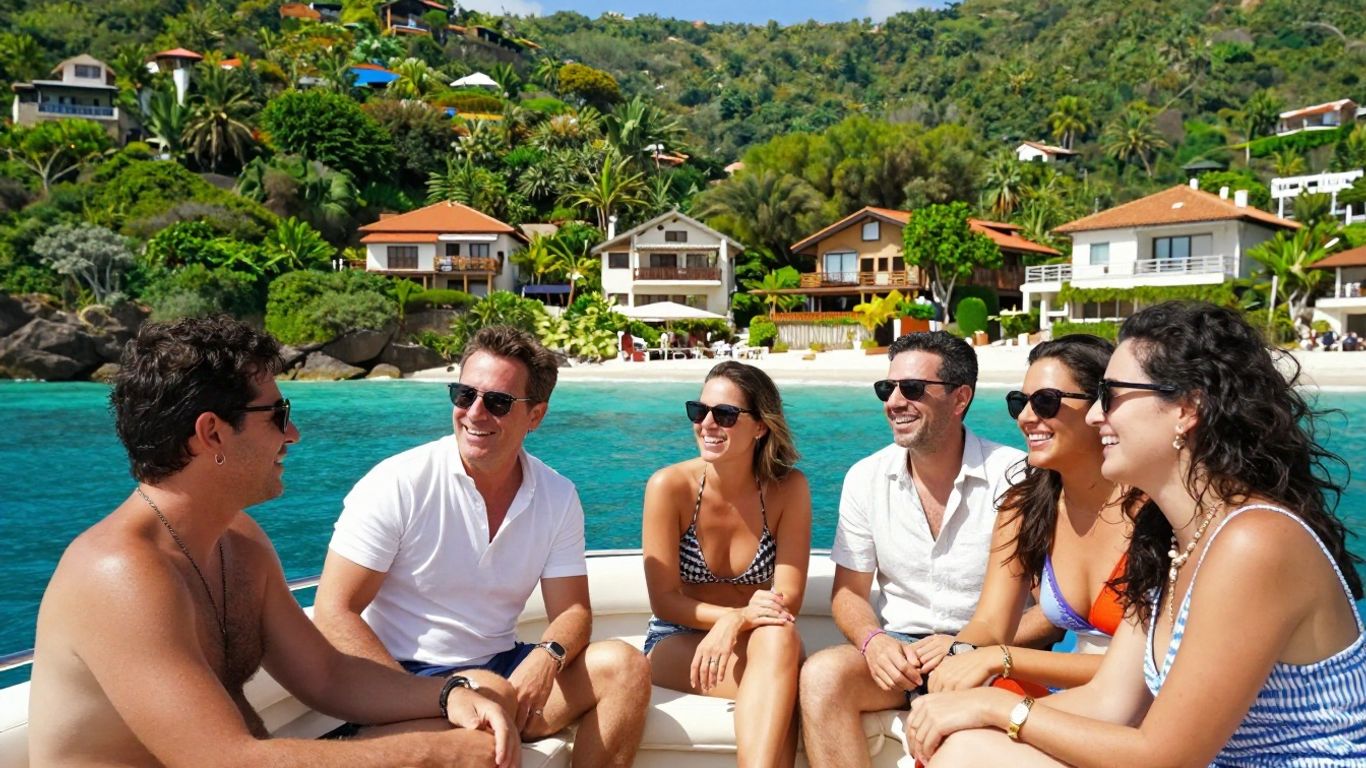
It's easy to get caught up in planning activities that will thrill the kids, but don't forget about the adults! A trip that's only about keeping the little ones entertained can leave the grown-ups feeling drained and unfulfilled. Think about what brings you joy. Maybe it's a quiet morning with a good book and a view, a chance to explore local markets, or a delicious meal at a restaurant with a great atmosphere. Look for destinations that offer these kinds of pleasures. For instance, a charming town with independent shops and cafes, or a scenic area with walking trails that lead to a nice viewpoint with a place to sit and relax. The goal is to find experiences that feel like a treat for everyone, not just a concession for the adults. A well-chosen villa can also make a big difference, offering a comfortable base for relaxation after a day of family fun.
Allowing for Teen Autonomy and Exploration
Teens are in a tricky spot – they're too old for constant supervision but might not be ready for complete independence. Giving them some space to explore on their own terms can make a huge difference in their enjoyment. This doesn't mean letting them wander off unsupervised in a foreign city, of course. It's more about creating opportunities for them to have a little freedom within safe, defined areas. Think about setting them loose for a short period to grab a gelato on their own, or giving them a fun photo challenge in a pedestrian-friendly zone. These small windows of autonomy can be incredibly satisfying for teenagers, allowing them to feel trusted and independent. It's also a great way for them to bond with cousins or friends their own age.
Modeling Confidence in New Environments
Your attitude as an adult really sets the tone for the whole family, especially the younger ones. When you approach a new place with curiosity and a relaxed demeanor, it signals to everyone else that it's okay to be a little uncertain. Kids pick up on adult stress really quickly. If you're visibly flustered trying to figure out public transport or a new menu, they'll likely mirror that anxiety. But if you can model confidence – even if you're just pretending a little! – and show that you're comfortable figuring things out, they'll feel safer and more adventurous themselves. This doesn't mean you have to have all the answers. It's more about showing a willingness to try, to ask for help, and to embrace the unexpected. This kind of calm leadership can transform a potentially stressful situation into a shared learning experience for the whole group.
Mastering Large Group Decision-Making
When you've got a bunch of different ages and personalities all heading out together, figuring out what to do can feel like herding cats. It's easy for small disagreements to blow up when everyone's tired or stressed. So, before you even book a place, it's smart to have a plan for how you'll make choices. This isn't about being bossy; it's about keeping things smooth and fun for everyone.
Establishing a Clear Decision-Making Process
Think of this as setting the ground rules for your trip's 'government.' You don't need a complex system, just something everyone understands. A good starting point is to have one person from each household or family unit act as a point person. This way, you're not trying to get input from twenty different people on every little thing. A shared document, like a simple spreadsheet or a group chat, can be super helpful for keeping track of ideas and decisions. And importantly, have a tie-breaker rule in mind. What happens if half the group wants to do A and the other half wants to do B? Knowing this beforehand saves a lot of potential arguments.
Identifying What Requires Group Consensus
Not every single activity needs a unanimous vote. That's where a lot of conflict comes from. Some things are big enough that everyone needs to be on board, like the overall dates of the trip, the main location, or the type of accommodation. These are the foundational decisions. But for daily activities? It's okay to have options. Maybe the grandparents want a quiet morning, while the teens want to explore a local market. Allowing for these different paths is key to keeping everyone happy.
Appointing Coordinators for Efficiency
Having designated 'coordinators' can really streamline things. This doesn't mean one person is in charge of everything, but rather that specific people might take the lead on certain aspects. For example, one person could be the go-to for restaurant research, another for booking tours, and someone else for managing the daily schedule. This distributes the workload and prevents one person from feeling overwhelmed. It also gives people a sense of ownership and purpose within the group. It's about working smarter, not harder, so you can all actually enjoy the trip together.
Focusing on Connection Over Coverage
Look, nobody wants to feel like they're on a forced march through a checklist of sights. The real magic of a multi-generational trip isn't about seeing everything . It's about the moments in between the planned stuff. Think about those unexpected laughs over a shared meal, or the quiet conversations that happen while watching the sunset. These are the things that stick with you, not just ticking off another landmark. It’s about making space for genuine connection, letting relationships deepen without the pressure of constant activity.
The Magic of Shared Adventures
Shared experiences are the glue that holds families together across the years. When everyone, from the youngest grandchild to the oldest grandparent, participates in something new, it creates a common ground. It doesn't have to be extreme; even a simple activity like trying local street food or taking a scenic walk can become a cherished memory. These adventures, big or small, give everyone something to talk about for years to come, weaving a richer family story.
Making Up for Lost Time
Life gets busy, and sometimes, we don't get to see our loved ones as often as we'd like. Multi-generational trips are a fantastic opportunity to bridge those gaps. It’s a chance to really listen to each other's stories, share wisdom, and simply enjoy each other's company. Planning a few special moments, like a family talent show or a themed dinner night, can add an extra layer of fun and create those 'remember when?' moments that become family legends. The goal is quality time, not just quantity.
Plan a surprise: A small, thoughtful surprise can make a big impact. Maybe it's arranging for a favorite dessert or a small, personalized gift.
Create a shared playlist: Have everyone contribute songs that are meaningful to them. Listening to it together during downtime can spark conversations.
Document the fun: Designate someone (or take turns) to capture candid photos and short video clips. These become priceless keepsakes.
Making Memories That Last
So, planning a trip for everyone, from the littlest ones to the wisest elders, might seem like a puzzle. But as we've seen, it's totally doable. It's all about talking things through beforehand, finding that sweet spot between different interests, and remembering that the main goal is just to spend good time together. Whether it's a big adventure or a quiet getaway, these shared moments are what everyone will remember long after the suitcases are unpacked. Happy travels!
Why is multi-generational travel becoming so popular?
Lots of families live far apart and have busy lives. Traveling together is a fantastic way for everyone, from grandparents to grandkids, to spend quality time and build stronger connections. It's a chance to make up for missed moments and create new memories as a group.
How do you pick a place that everyone will like?
Choosing a destination means thinking about what different age groups enjoy. Look for places that offer a mix of activities, like historical sites for adults and fun adventures for kids. It's also smart to consider if the place is easy to get around for people with different mobility needs and if it has a relaxed pace.
How can we handle money and expectations fairly?
It's super important to talk openly about money before the trip. Figure out who is paying for what and how costs will be shared. Also, discuss what everyone hopes to get out of the trip. Setting clear goals and being honest about finances helps avoid arguments later.
What's the best way to plan activities for different ages?
Try to plan days around one main activity that everyone can do together, like a special lunch or a morning outing. Then, offer other choices for people who want different things or have different energy levels. This way, everyone feels included but also has freedom.
How do we make sure everyone is comfortable?
Think about where you'll stay – make sure it works for everyone, maybe with different room setups. Also, plan how you'll get around to make travel between places smooth. Don't forget to ask about any special food needs or other requests people might have.
How can we make travel easier by choosing where we go?
When picking places to visit, try to keep travel time between them short. Choosing spots that are close together or easy to reach means less time spent on buses or trains and more time for fun. Think about places where you can walk to different attractions.
How can adults enjoy the trip too, not just the kids?
Pick activities that grown-ups will genuinely find interesting, like exploring local markets or enjoying nice meals. Give older kids and teens some freedom to explore on their own in safe areas. When adults seem relaxed and confident, it helps everyone else feel more at ease.
How do we make big decisions when there are many people?
It helps to have a clear way to make choices. Decide ahead of time what needs everyone's agreement (like the main destination) and what can be decided by smaller groups or individuals (like specific tours). Having one or two people in charge of organizing can make things run more smoothly.