

Planning a reunion, whether it's for family or old friends, can be a big undertaking. You've got to figure out the who, what, where, and when, not to mention the budget. It often comes down to a big question: should you tackle it all yourself, or is it time to call in a professional? Let's break down the whole travel advisor vs DIY planning thing to see what makes the most sense for your next get-together.
Key Takeaways
Deciding between planning your reunion yourself (DIY) or hiring a travel advisor depends on your needs, time, and budget. A DIY approach gives you full control but requires significant effort.
A travel advisor can bring valuable resources, vendor connections, and logistical handling, especially for complex reunions with many guests or destination events.
DIY planning allows for personalized touches and potentially saves money, but it can be time-consuming and stressful, especially with large groups or tight deadlines.
Consider the scale of your reunion: large guest lists, multiple locations, or intricate activities often point towards needing professional help.
Ultimately, the goal is a memorable event. Weigh the pros and cons of travel advisor vs DIY planning to choose the path that best fits your reunion's style and your own capacity.
Understanding the Scope: DIY vs. Travel Advisor
Planning a family reunion can feel like a big undertaking, and you've got a couple of main paths to go down: do it yourself or bring in a professional. It's not quite like fixing a leaky faucet; this involves coordinating a whole bunch of people and moving parts. Deciding which route to take really depends on what you're looking for and what you can handle.
Defining Your Reunion Needs
Before you even think about booking a venue or sending out invites, take a moment to figure out what kind of reunion you actually want. Are we talking a casual weekend picnic at a local park, or a multi-day event with planned activities and lodging? Think about the age range of your family members – you'll have toddlers needing nap times and maybe great-grandparents who prefer a slower pace. What's the vibe? Relaxed and unstructured, or packed with scheduled fun?
Guest Count: How many people are you expecting? A small gathering of 20 is very different from a sprawling event of 100+.
Duration: Will it be a single afternoon, a full day, or a long weekend?
Location Preferences: Does your family dream of a beach getaway, a mountain retreat, or something closer to home? Consider the general travel style of your family members.
Budget: What's the ballpark figure you're aiming for, both overall and per person?
Assessing Your Planning Capacity
Now, be honest with yourself. How much time and energy can you realistically put into this? Planning a reunion involves a lot of details, from tracking RSVPs to coordinating meals and activities. If your schedule is already packed with work, family, and other commitments, trying to DIY a large reunion might lead to a lot of stress. It's easy to underestimate the sheer volume of tasks involved.
The Value of Professional Expertise
This is where a travel advisor or professional reunion planner comes in. They've done this before, many times. They have connections with vendors, know the ins and outs of event logistics, and can often get better deals than an individual planner. Think of them as your reunion's project manager. They can handle the nitty-gritty so you can focus on the fun parts, like reconnecting with relatives. For complex events, especially those involving travel to a specific family reunion region , their knowledge can be invaluable.
The DIY Reunion Planning Journey
So, you've decided to take the reins and plan your reunion yourself. That's awesome! It means you're ready to roll up your sleeves and put in the work to make this gathering special. It's definitely a labor of love, but totally doable with a good plan.
Setting the Date and Venue
First things first, you need to nail down when and where this whole thing is going to happen. Think about what time of year works best for most people. Holidays can be tricky with family commitments, but sometimes they make it easier for people to travel. You'll also want to consider how far in advance you need to book a place. Popular spots get snapped up fast, especially if you're looking at a specific season. Booking your venue early is key to getting the best options and prices.
Here's a quick checklist for picking your spot:
Guest Count: How many people are you expecting? This will dictate the size of the venue.
Location: Does it need to be near an airport? In a specific town? Consider travel ease for everyone.
Amenities: What do you need? A kitchen for catering? Space for dancing? Outdoor areas?
Budget: How much can you realistically spend on the venue itself?
Budgeting and Fundraising Strategies
Money talk. This is where things can get a little sticky, but it's super important. You need to figure out how much everything will cost – venue, food, decorations, maybe some entertainment. Once you have a number, you'll need to figure out how to get the funds. This usually means charging a ticket price, but sometimes people do small fundraisers too. It's all about being upfront with your guests about costs.
Here are some common budget items to think about:
Venue rental fees
Food and drinks
Decorations
Invitations and postage
Entertainment (like a DJ or band)
Photography
Name tags
A buffer for unexpected costs (always a good idea!)
Guest List Management and Invitations
Getting the guest list right is a big deal. You need to track down everyone, which can be a challenge, especially for older reunions. Once you have your list, sending out invitations is the next step. Make sure they include all the important details: date, time, location, cost, and how to RSVP. Giving people a clear deadline to respond is also really helpful for your planning.
Gather Contact Info: Start with old yearbooks, social media, and ask around. Finding classmates can be half the battle.
Design Invitations: Keep them clear and informative. Digital invitations can save money and trees!
Track RSVPs: Use a spreadsheet or a simple online tool to keep track of who's coming and who's not. This helps immensely with final numbers for catering and seating.
Access to Exclusive Resources
Thinking about planning a reunion yourself can feel overwhelming, right? You might be wondering where to even start finding venues or coordinating with vendors. This is where a travel advisor really shines. They've got connections you probably don't, like access to special group rates at hotels or unique event spaces that aren't advertised to the general public. It's like having a secret map to the best reunion spots. They also know the ins and outs of different destinations, which can be a huge help if you're considering a reunion away from home. For instance, they can tell you which all-inclusive resorts are best suited for large groups or which cruise lines offer packages that fit your family's needs.
Streamlined Vendor Negotiations
Dealing with vendors – caterers, photographers, entertainment – can be a real headache. A travel advisor acts as your go-between. They've built relationships with these vendors over time, which often means they can negotiate better prices or terms than you could on your own. Think about it: they know what to ask for, what's standard, and what's a good deal. This can save you a significant amount of money and, more importantly, a lot of back-and-forth phone calls and emails. They handle the contracts and the fine print, so you don't have to.
Handling Complex Logistics
Reunions, especially larger ones, involve a lot of moving parts. You've got people arriving from different places, needing different accommodations, and wanting different things. A travel advisor is skilled at managing these complex details. They can arrange group transportation, coordinate room blocks at hotels, and even help plan optional excursions for attendees. This takes a massive burden off your shoulders. Imagine not having to worry about who's getting picked up from the airport or if there are enough rooms for everyone. They can also help create a schedule of events, making sure there's a good balance of planned activities and free time for guests to connect informally.
Here's a quick look at what they can manage:
Accommodation: Booking hotel blocks or individual rooms.
Transportation: Arranging airport transfers, group shuttles, or even rental cars.
Activities: Organizing tours, excursions, or group outings.
Dining: Making restaurant reservations or coordinating catering.
Communication: Acting as a central point of contact for guests with questions.
Key Considerations for DIY Planners
So, you've decided to take the reins and plan the reunion yourself. That's awesome! It means you're ready to put in the effort to make it happen. But before you dive headfirst into spreadsheets and vendor calls, let's chat about a few things you'll want to keep in mind. Planning a reunion yourself can be incredibly rewarding, but it also comes with its own set of challenges and rewards.
Time Commitment and Stress Levels
Let's be real: planning a reunion takes a significant chunk of your time. Think about it – you're not just booking a venue; you're coordinating with potentially hundreds of people, managing RSVPs, figuring out food, planning activities, and probably a million other little details. This isn't a weekend project; it's a marathon. You'll need to dedicate consistent time over several months, sometimes even a year or more, especially for larger gatherings. This can add a lot of pressure, and if you're already juggling a busy job or family life, it can feel overwhelming. It's easy to get caught up in the details and forget to enjoy the process. Remember to build in buffer time for unexpected issues and try not to leave everything until the last minute. It's a good idea to start planning 12 to 18 months in advance for most family reunions.
Potential for Cost Savings
One of the biggest draws of DIY planning is the potential to save money. When you handle things yourself, you cut out the middleman, which can mean significant savings. You can shop around for the best deals on venues, catering, and entertainment. You might also be able to get creative with fundraising or ask family members to contribute in specific ways, like bringing a dish to a potluck or helping with decorations. However, it's important to be realistic. Sometimes, DIY can end up costing more if you're not careful. Forgetting to factor in hidden costs or making impulse decisions can add up quickly. It's wise to create a detailed budget early on and stick to it as much as possible. You might find that some services, like bulk ticket purchasing for attractions, are cheaper when booked through a professional. Here's a rough idea of what some costs might look like:
Personalized Touches and Control

When you plan it yourself, you have complete control over every aspect of the reunion. This is fantastic for infusing your personal style and making sure every detail reflects the unique spirit of your group. You can choose the exact theme, the music playlist, the specific games, and even the color of the napkins. This level of customization can make the event feel incredibly special and authentic. You get to decide who sits where, what the main event is, and how the day unfolds. It's your vision, brought to life. This also means you can incorporate those inside jokes, family traditions, or specific memories that only your group would understand. You're not relying on someone else's interpretation of what makes a good reunion; you're making those decisions yourself. It's a chance to really connect with the history and personality of your family or group. You can also decide to document family history, adding a lasting legacy to the gathering.
When a Travel Advisor Becomes Essential
Sometimes, trying to plan a big family get-together yourself can feel like juggling too many balls at once. You know, like when you try to assemble IKEA furniture without the instructions – it starts okay, but then things get complicated fast. If your reunion is shaping up to be a large-scale event with lots of moving parts, that’s probably when you should seriously think about bringing in a pro.
Large Guest Lists and Diverse Needs
When you're trying to coordinate for, say, fifty or more people, things get tricky. Everyone has different ideas about what's fun, where they want to stay, and how much they can spend. Trying to please everyone on your own can be a real headache. A travel advisor is used to handling these kinds of big groups. They know how to find accommodations that work for different budgets and preferences, and they can often get group rates that you wouldn't be able to find yourself. Plus, they can manage all the individual bookings and payments, which saves you a ton of administrative work.
Managing RSVPs and dietary needs for 100+ guests.
Finding hotels with various room types and price points.
Organizing group activities that appeal to a wide age range.
Destination Reunions
Planning a reunion where most people have to travel can be a whole different ballgame. You're not just picking a venue; you're picking a destination. This involves thinking about flights, local transportation, and activities that make the trip worthwhile. A travel advisor can help you choose a location that's accessible and offers plenty of things to do for everyone. They can also help with booking group flights or arranging airport transfers, taking a huge load off your shoulders.
Researching destinations that are easy to get to for most attendees.
Coordinating travel arrangements, including flights and ground transportation.
Suggesting and booking local tours or excursions.
Incorporating Special Activities
Maybe you want your reunion to have a theme, or perhaps you're planning a special anniversary celebration within the reunion. This could involve booking a specific type of entertainment, arranging a formal dinner, or organizing a unique excursion. These kinds of specialized requests often require connections and knowledge that a typical planner might not have. Travel advisors, especially those who specialize in group travel, often have a network of vendors and contacts that can help bring your unique ideas to life. They can help secure that perfect band, find a unique historical site for a tour, or arrange a private chef for a special meal.
Booking entertainment like live bands or DJs.
Arranging themed decorations or event setups.
Securing unique venues for specific events, like a historical building or a boat.
Financial Aspects: DIY vs. Expert
When it comes to planning a reunion, money is always a big part of the conversation. Whether you're doing it all yourself or bringing in a professional, understanding the costs and how to manage them is key. It's not just about how much things cost, but also how you'll collect money and pay for everything.
Understanding Reunion Costs
Figuring out the total cost of a reunion can feel like a puzzle. You've got to think about everything from the place where everyone will gather to the food, decorations, and any entertainment you might want. A DIY approach means you're the one hunting for deals and keeping track of every single expense. Hiring an expert, however, often means they have a good handle on typical costs and can give you a clearer picture upfront. They might also have access to group rates or packages that can save money.
Here's a breakdown of common reunion expenses:
Venue rental
Catering or food costs
Decorations and supplies
Entertainment (DJ, games, etc.)
Photography or videography
Invitations and postage
Contingency fund (for unexpected costs)
Fundraising and Payment Collection
Collecting money from a group can be tricky, especially with a reunion. If you're planning it yourself, you'll likely be the one sending out reminders and chasing down payments. This can take up a lot of your time and energy. A travel advisor or event planner usually has systems in place for this. They can set up online payment portals or manage group invoices, making it easier for guests to pay and for you to track who has contributed. This can really help avoid awkward conversations about who still owes money. For some, a reunion might involve a bit of fundraising, like selling family cookbooks or holding a raffle, to help cover costs. This is something you'd manage yourself if going the DIY route.
Negotiating Vendor Payments
When you're planning a reunion yourself, you're the one who has to call up caterers, venues, and entertainers to get quotes and haggle over prices. It takes time and a certain knack for negotiation. A professional planner, on the other hand, has established relationships with many vendors. They often know what to expect price-wise and can negotiate better rates because they book a lot of business. This can translate into significant savings for your reunion. They also handle the contracts and payment schedules, which can be a huge relief. If you're looking for a more budget-friendly family reunion , understanding these vendor costs is where a DIY planner might shine by finding hidden gems, but it requires more legwork.
Activities and Entertainment Planning
Planning the fun stuff for your reunion is where the real memories get made. It’s not just about getting everyone in the same room; it’s about creating an atmosphere where people can reconnect and have a blast. Think about what will make your particular group happy. Do they love to dance? Are they more into quiet conversation? Tailor the activities to fit the vibe of your attendees.
Brainstorming Engaging Activities
Getting ideas flowing is the first step. You want activities that appeal to a wide range of people, from the super social butterflies to those who might be a bit more reserved. Consider a mix of structured events and free time for spontaneous chats.
Nostalgia Station: Set up a table with old yearbooks, photos, and maybe even some popular trinkets from your shared past. It’s a great conversation starter.
Photo Booth Fun: A simple backdrop and some silly props can lead to hilarious photos and break the ice.
Group Games: Think about low-key games like trivia related to your shared history, or even outdoor games if the venue allows.
Talent Show/Karaoke: If your group is game, this can be a highlight, letting people share their hidden talents or just have a laugh.
Creating a Nostalgic Atmosphere
This is your chance to really lean into the memories. Music is a huge part of this, but decorations can also play a big role. Think about what was popular during your time together – maybe it’s a specific band, a movie, or even a fashion trend.
Incorporating Music and Photography
Music sets the mood, plain and simple. Whether you hire a DJ, create a killer playlist, or even have a live band, the right tunes can make or break the event. Don't forget about capturing the moments, too. A dedicated photographer can be worth the investment, or you can encourage guests to share their photos using a specific hashtag.
Food and Beverage Coordination
When it comes to planning a reunion, figuring out the food and drinks can feel like a big task. It’s not just about picking dishes; it’s about making sure everyone has a good time and feels taken care of. You want the food to be a highlight, not a headache.
Meal Planning Options
There are a few ways to go about feeding your crew. You could go for a full-on catered event, which is usually the easiest if you have the budget. Think buffet style or even a sit-down plated dinner if you're aiming for something a bit more formal. If your reunion is more casual, like a picnic or a backyard get-together, a barbecue with all the fixings – burgers, hot dogs, potato salad – can be a real crowd-pleaser. For daytime events, lighter fare like finger foods and appetizers might be just the ticket. Don't forget to consider the time of day and the overall vibe you're going for. A late-night gathering might call for coffee and tea to wrap things up nicely.
Catering vs. Potluck Approaches
Choosing between catering and a potluck really depends on your reunion's style and your guests. Catering takes the pressure off individuals, but it can be pricier. A potluck, on the other hand, can be a fun way to share costs and get everyone involved. It feels more communal, and you get a wider variety of dishes. However, with a potluck, you'll need to coordinate who brings what to avoid ending up with ten pasta salads and no main dishes. Some families even split the difference, maybe catering the main meal and asking guests to bring desserts or appetizers. If you're holding the event at a hotel, definitely check their policies on outside food. Some places are strict about it.
Dietary Restrictions and Preferences
This is a big one. You absolutely have to think about guests with dietary needs. We're talking vegetarian, vegan, gluten-free, allergies – the whole spectrum. It’s not just about having one token option; it’s about making sure people can actually eat and enjoy the food without worry. Communicating these needs in advance is key. You can ask guests to note any restrictions on their RSVP. If you're catering, talk to the caterer about how they handle these requests. For a potluck, you might want to assign specific categories to people or have a sign-up sheet for dishes that meet certain dietary needs. It shows you care and makes everyone feel included.
Here’s a quick look at some common meal types:
Barbecue: Great for casual outdoor events. Think grilled meats, corn on the cob, and classic sides.
Buffet: Offers variety and allows guests to serve themselves. Good for a range of tastes.
Plated Dinner: More formal, with pre-selected dishes served to each guest.
Finger Foods/Appetizers: Ideal for cocktail hours or daytime gatherings.
Potluck: Guests contribute dishes, sharing the cost and variety.
When planning outfits for memorable photos, consider coordinating colors rather than matching exactly. This can help everyone look good together without feeling too uniform. You can find some great ideas for family reunion outfits that complement each other.
The Role of Committees and Volunteers
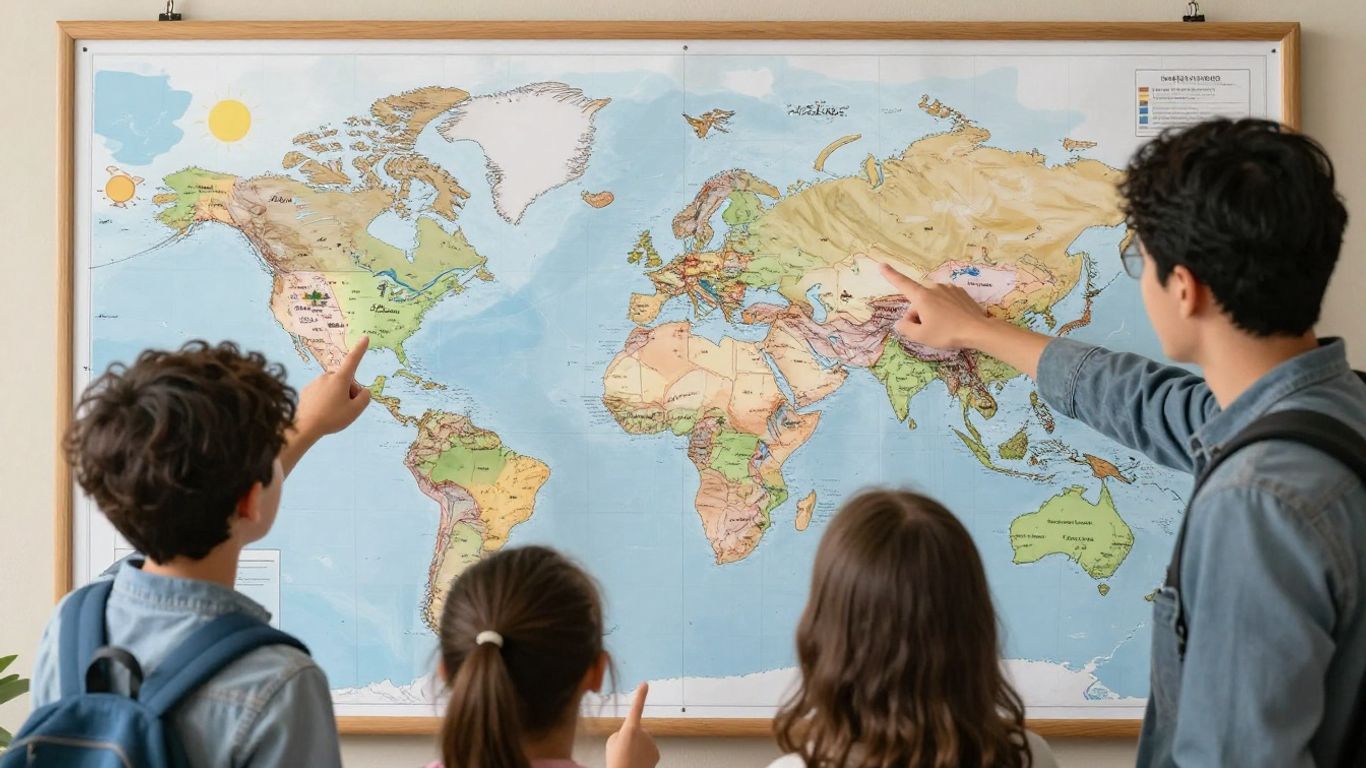
Planning a reunion, especially a big one, can feel like a lot for one person. That's where a committee or a group of willing volunteers really shines. Think of them as your reunion support squad. They can help share the workload, bring different ideas to the table, and generally make the whole process less stressful. Having a team means you're not trying to juggle everything yourself.
Building Your Reunion Team
Putting together a good team starts with reaching out to people you know are reliable and enthusiastic. Don't be afraid to ask! You might be surprised who's willing to lend a hand. Look for folks who have different skills – maybe someone is great with organizing, another is a whiz at social media, and someone else is a natural at talking to people.
Here are some roles you might want to fill:
Chairperson/Lead Organizer: Oversees the whole project, keeps things on track.
Treasurer: Handles the money, tracks payments, and manages the budget.
Communications Lead: Manages invitations, RSVPs, and keeps everyone informed.
Activities Coordinator: Plans games, entertainment, and special events.
Decorations/Venue Lead: Focuses on making the space look great.
Food & Beverage Point Person: Coordinates catering or potluck details.
Delegating Tasks Effectively
Once you have your team, the next step is figuring out who does what. It's important to be clear about responsibilities. Don't just say "help with invitations"; specify "design the invitation," "send out the invitations," or "track RSVPs." This avoids confusion and makes sure tasks actually get done.
Consider breaking down larger jobs into smaller, manageable steps. For example, instead of "plan the main event," a volunteer might be assigned "research and book the DJ" or "organize the seating chart." This makes the work feel less overwhelming for everyone involved.
Maintaining Communication
Keeping everyone on the same page is super important. Regular check-ins, whether it's a quick group chat, a weekly email, or a short meeting, can make a big difference. This is where you can share updates, discuss any problems that have come up, and make sure everyone is still working towards the same goal.
Think about using a shared online document or a group messaging app to keep all the important information in one place. This way, anyone can access details about the budget, guest list, or vendor contacts whenever they need to.
Navigating Potential Reunion Challenges
Even with the best laid plans, reunions can hit a few bumps. It's good to think ahead about what might go wrong and how you'll handle it. This way, you're not caught off guard when something unexpected pops up.
Addressing Affordability Concerns
Not everyone can swing the cost of a reunion, especially if it involves travel or a fancy venue. It's a common hurdle. You want everyone to feel welcome, but you also have a budget to stick to. Maybe you can offer different ticket tiers, or have a more casual, low-cost option for a portion of the event. Some groups do a "pay what you can" approach for certain activities, or focus on fundraising to subsidize costs for those who need it. Open communication about costs and payment plans is key.
Managing Last-Minute Changes
Things happen. A vendor might cancel, the weather could turn sour, or a key volunteer might get sick. Having a backup plan for common issues can save a lot of stress. For instance, if your outdoor venue is rained out, do you have an indoor alternative? If a caterer falls through, do you have a list of other options? It's also helpful to have a point person who can make quick decisions when you're not around.
Ensuring Guest Comfort and Enjoyment
Think about all your guests. Are there enough accessible restrooms? Is the venue easy to get to? What about parking? If you're having a multi-day event, consider different accommodation options. For food, always remember to ask about dietary needs beforehand. A simple survey can help you gather this information.
Here are a few things to keep in mind for guest comfort:
Accessibility: Make sure the venue is easy for everyone to access, regardless of mobility.
Comfort Stations: Consider having a quiet space for guests who might need a break from the main event.
Information Hub: Have a clear spot where guests can find schedules, maps, and contact information.
Welcome Packets: Small welcome packets with a schedule and local info can be a nice touch for out-of-town guests.
Making the Final Decision: Travel Advisor vs. DIY Planning
So, you've gone through all the nitty-gritty details of planning your reunion. You've thought about the guest list, the food, the activities, and the budget. Now comes the big question: did you do it all yourself, or did you bring in a professional? Both paths have their own set of pros and cons, and honestly, there's no single right answer. It really boils down to what kind of reunion you're aiming for and how much time and energy you're willing to put in.
Weighing Time, Cost, and Expertise
Let's break it down. Doing it yourself can feel really rewarding. You have total control over every little detail, and you can really inject your own personality into the event. Plus, you might think you're saving money by cutting out the middleman. However, this often means a huge time commitment. Remember that article about planning a reunion 12 to 18 months in advance? Yeah, that's usually for DIY efforts. You're the one making all the calls, chasing down RSVPs, and dealing with any hiccups that pop up. It can get pretty stressful, especially if you're juggling this with work or family.
On the flip side, hiring a travel advisor or a professional reunion planner can take a massive load off your shoulders. They have connections, know the best vendors, and can often get deals you wouldn't find on your own. This can sometimes offset their fee, especially for larger events. Think about it: they handle the bookings, the contracts, and the tricky logistics, freeing you up to actually enjoy the planning process and, more importantly, the reunion itself. They bring a level of experience that can prevent costly mistakes and make the whole thing run much smoother. For example, they might know about hidden gems for group accommodations that you'd never discover.
Matching Your Reunion Style
What kind of reunion are you dreaming of? A casual backyard barbecue with close family? Or a big, multi-day event with distant relatives and old friends, maybe even in a destination location? The scale and complexity of your reunion are huge factors.
Small & Intimate: If it's just a handful of people and a simple get-together, DIY is totally doable. You can probably manage it with a few phone calls and a shared online document.
Medium & Involved: For a larger group or a more structured event, like a weekend gathering with planned meals and activities, you might start to feel the strain of DIY. This is where a planner's organizational skills really shine.
Large & Elaborate: If you're talking about hundreds of people, multiple venues, or a destination reunion, bringing in a professional is almost a necessity. They have the systems and the staff to manage that level of detail.
The Ultimate Goal: A Memorable Gathering
Ultimately, the goal is to create a fantastic experience for everyone involved. If the planning process is causing you immense stress and taking away from your excitement, it might be worth considering professional help. A good planner isn't just an organizer; they're a partner who helps bring your vision to life. They can help brainstorm creative ideas, manage budgets effectively, and handle unexpected issues so you don't have to.
Think about what will bring you the most peace of mind and allow you to be present and enjoy the reunion with your loved ones. Whether you tackle it yourself or hire an expert, the most important thing is that it's a gathering filled with connection, laughter, and lasting memories. If you're looking for a starting point for organizing, resources like Reunacy can offer tools to help manage your guest list and communications, whether you're going it alone or working with a planner.
So, DIY or Hire Out?
Ultimately, deciding whether to plan your reunion yourself or bring in a pro comes down to a few things. Think about how much time you really have, how big your budget is, and honestly, how much stress you're willing to take on. If you're someone who enjoys organizing and has a good support system of friends or family to help out, going the DIY route can be really rewarding and save you some cash. But if you're short on time, prefer to delegate, or just want to make sure every detail is handled perfectly without you having to worry about it, hiring an expert might be the way to go. Either way, the goal is to get everyone together and make some great memories!
What's the main difference between planning a reunion myself and hiring someone?
Planning it yourself means you're in charge of everything, from picking the date to sending invites. Hiring an expert, like a travel advisor or event planner, means they handle most of the work for you, using their experience and connections to make things smoother.
How much time does it really take to plan a reunion on my own?
It can take a lot of time! You'll need to research places, figure out a budget, contact vendors, manage RSVPs, and coordinate details. If you have a busy schedule, it might feel overwhelming.
Can I save money by planning my reunion myself?
Often, yes. When you plan it yourself, you can shop around for the best deals and make choices that fit your budget. However, an expert might get group discounts or deals you wouldn't find on your own, so it's not always cheaper to DIY.
When is it a good idea to get professional help for a reunion?
If you have a really big group, if the reunion is in a faraway place (like a destination reunion), or if you want to include lots of special activities or complicated events, an expert can be super helpful. They know how to handle tricky details.
What kind of costs are involved in planning a reunion?
Costs can include the place where you'll have it, food and drinks, decorations, entertainment, and maybe even souvenirs. If you hire someone, their fee is also a cost. It's important to create a budget early on.
How can I make the reunion feel special and fun?
You can make it special by adding personal touches! Think about playing music from your school days, setting up a spot with old photos and yearbooks, or organizing games that bring back memories. Getting guests involved in sharing photos and stories beforehand also helps.
What if some people can't afford to come to the reunion?
This is a common concern. You can try to keep costs down by choosing affordable venues or food options. Some families set up fundraisers, or members might offer to help others with costs privately if they're struggling. Open communication is key.
What's the most important thing to remember when planning a reunion?
The main goal is to bring people together for a good time and reconnect. Whether you plan it yourself or hire help, focus on creating a welcoming atmosphere where everyone can make new memories and enjoy catching up.