

Getting the whole family together can feel like a huge task these days, right? Everyone's busy, and sometimes it feels like we're all living in different worlds. It's all about slowing down and really enjoying each other's company. This approach, often called slow travel for family reunions, lets you actually connect instead of just ticking off sights.
Key Takeaways
Slow travel for family reunions means prioritizing connection over a packed itinerary, allowing for genuine bonding and relaxation.
Planning ahead, setting a clear budget, and choosing accessible destinations are vital steps for a smooth group trip.
Balance planned group activities with plenty of downtime to cater to different energy levels and personal interests.
Clear communication and delegating tasks among family members make the planning process much more manageable.
Documenting memories through photos and shared stories helps create lasting keepsakes for generations to come.
Why Reunion Trips Matter More Than Ever
In our super busy lives, it feels like we're always rushing from one thing to the next. Between work, school, and just keeping up with everything, it's tough to find real time to connect with the people we care about most. That's where reunion trips really shine. They're not just vacations; they're a chance to hit the pause button on the everyday chaos and just be together. Think about it: no work emails, no school pickups, just you and your favorite people. These trips are a special way to celebrate milestones, share stories, and build memories that stick around long after you've unpacked. It’s about making sure those important relationships don't get lost in the shuffle of modern life.
The Essence Of Slow Travel For Family Reunions
When we talk about slow travel for reunions, we're really talking about quality over quantity. Instead of trying to cram a million sights into a few days, it's about savoring the moments. This means choosing a destination that allows for relaxation and deeper connection, rather than just ticking off a checklist. It’s about lingering over meals, taking unhurried walks, and letting conversations flow naturally. Slow travel for reunions is about creating an atmosphere where everyone feels comfortable and has the space to truly connect with each other. It’s about letting the experience unfold at its own pace, making the time spent together feel richer and more meaningful. This approach helps everyone unwind and really appreciate the company.
Creating Lasting Memories Together
What makes a reunion trip truly unforgettable? It’s the shared experiences, big and small. It could be a hilarious game night that goes late, a scenic hike where everyone chats and laughs, or even just a quiet afternoon spent looking through old photo albums. These are the moments that become family legends, retold for years to come. Planning a trip that offers a mix of activities, from adventurous outings to simple downtime, means there’s something for everyone. The goal is to create opportunities for connection, whether it's through planned events or spontaneous moments of togetherness. These shared memories are the real treasures that come from gathering your loved ones.
Shared Meals: From elaborate dinners to casual picnics, food brings people together.
Group Activities: Think board games, scavenger hunts, or even a family talent show.
Downtime: Simply relaxing together, perhaps by a pool or on a porch, allows for easy conversation.
Exploring Together: Visiting local sights or taking nature walks creates shared discoveries.
Setting A Realistic Group Budget
Okay, so planning a big get-together like a reunion? The first thing you absolutely have to nail down is the money situation. Trying to plan without a clear idea of what everyone can afford is just asking for trouble down the road. It’s not about being cheap; it’s about being realistic so everyone feels comfortable and nobody gets stuck with a bill they can’t handle. Being upfront about this early on stops awkward conversations later.
Here’s a quick breakdown of what to consider:
Travel: Flights, gas, train tickets – whatever gets people to the destination.
Food: Groceries for cooking, restaurant meals, snacks.
Choosing A Central And Accessible Destination
When you're trying to get a bunch of people together, especially if they're coming from all over the place, picking a spot that's easy for most people to get to is a big deal. Think about it: if one part of the family has to take three flights and a bus, they might not be as excited to come as the folks who can drive there. A central location cuts down on travel headaches and means more people can actually make it. You don't want to spend half the reunion listening to complaints about long journeys. So, really consider where most of your group lives and try to find a happy medium. It makes the whole trip feel more inclusive from the start.
Securing Group-Friendly Accommodations
Finding a place to stay for a big group can be tricky. You don't want to book a bunch of separate hotel rooms if the whole point is to hang out together. Places like large vacation homes, villas, or even resorts that offer group packages are often the best bet. These spots usually have common areas where everyone can gather, like a big kitchen for cooking meals together, a living room for games, or maybe even a pool. It just makes it so much easier to spend quality time together without having to constantly travel between different rooms or buildings.
Crafting A Balanced Reunion Itinerary
When planning a reunion, it's easy to get caught up in packing every single moment with activities. But honestly, that's the opposite of what slow travel is all about. The goal here is togetherness, not ticking off a to-do list. We want people to actually connect, not just rush from one thing to the next.
Blending Group Activities With Personal Time
Think of your itinerary like a good meal – it needs a balance of flavors and textures. You'll want some main courses that everyone enjoys together, but also some side dishes and even a little room for dessert on your own. The sweet spot is finding that rhythm between shared experiences and allowing individuals to recharge or explore their own interests. It’s about making sure everyone feels included but not overwhelmed. For example, a big group dinner is great, but maybe the next morning, people can choose between a guided nature walk or sleeping in.
Incorporating Downtime For Relaxation
Seriously, don't skip the downtime. ). This is often where the most genuine connections form. Think about blocking out afternoons with nothing planned, or having a 'quiet zone' in your accommodation. It’s a chance for people to just be .
Planning A Mix Of Engaging Experiences
Variety is key to keeping everyone happy. You don't want to do the same thing every day. Try to mix it up.
Active Adventures: Think a gentle hike, a kayaking trip, or even a family sports day.
Cultural Dips: Visiting a local museum, a historical site, or attending a local craft fair.
Relaxing Pursuits: Beach time, a picnic in the park, or a board game tournament.
Creative Outlets: A family cooking class, a pottery workshop, or even a group storytelling session.
When you're planning these activities, it's helpful to have a general idea of what people might enjoy. A simple poll beforehand can go a long way. You don't have to cater to every single request, but knowing general interests helps shape the overall plan. This way, you’re not just guessing; you’re building an itinerary that has a good chance of pleasing most of the group.
Seamless Reunion Trip Logistics
Planning a big get-together can feel like a lot, right? You want everyone to have a good time, but keeping track of all the details for a whole group can be a headache. The trick is to break it down and share the load. Getting the logistics sorted early makes a huge difference in how smooth everything feels.
Delegating Responsibilities For Easier Planning
Trying to do it all yourself is a recipe for burnout. Instead, think about what needs to get done and who might be good at what. You can even make a simple list. This way, no one person is stuck with all the work, and people feel more involved.
Accommodation Czar: Someone who loves looking at rentals or hotels and can find the best fit for the group size and budget.
Activity Arranger: This person can research and book tours, dinners, or fun group outings.
Finance Tracker: Someone who can help set up a shared payment system or keep track of who owes what.
Welcome Wagon: A point person for arrival details, like check-in times and directions.
Leveraging Travel Specialists For Stress-Free Trips
Sometimes, you just want to hand it over to someone who knows what they're doing. Travel agents or specialists who focus on group trips can be lifesavers. They often have connections and know-how that can save you time and even money. They can help with big things like booking flights and hotels, and smaller things like arranging airport transfers or special group meals. It’s like having a personal assistant for your reunion.
Starting Your Planning Early For Best Options
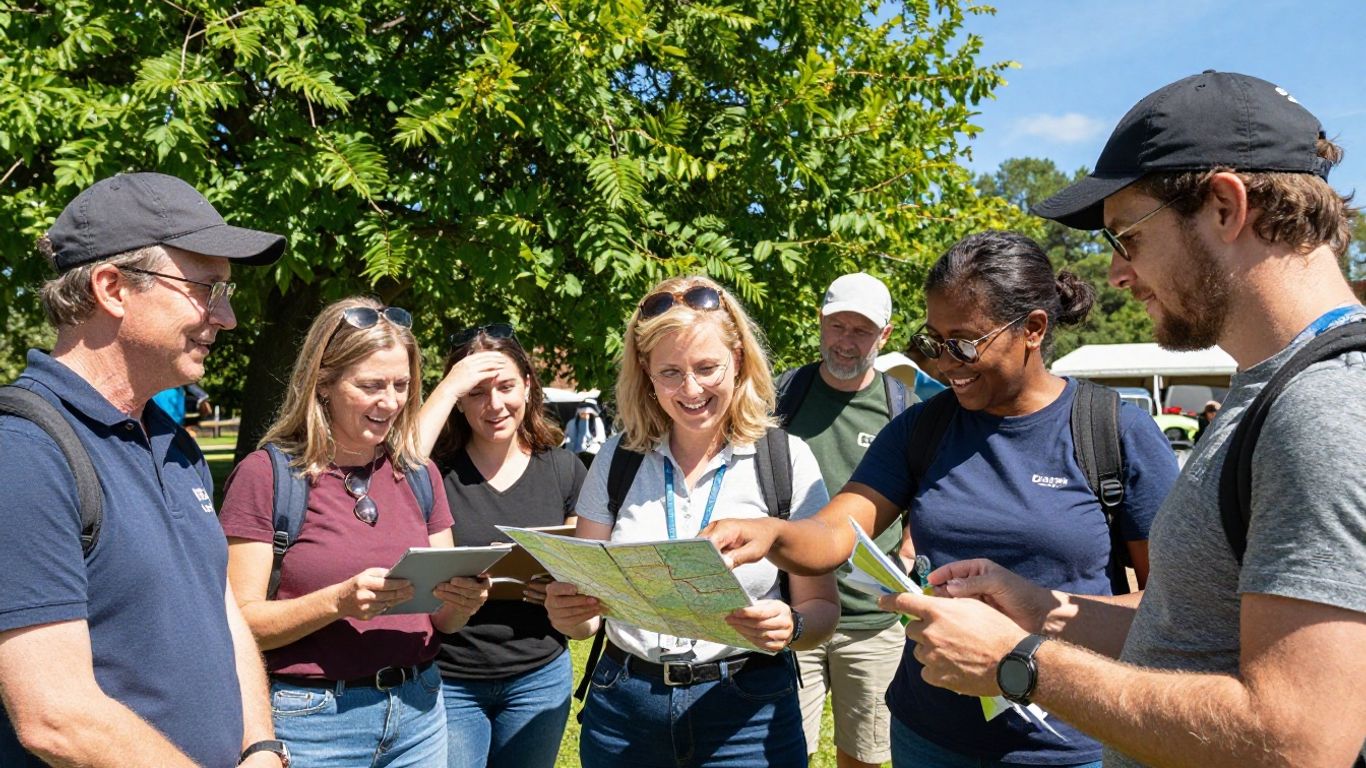
This is a big one. The sooner you start, the more choices you'll have. Popular spots and places that can handle big groups get booked up fast, especially during holidays or school breaks. Aim to start thinking about your reunion trip at least six months ahead of time, maybe even a year if you're aiming for a really popular destination or a specific time of year.
Here’s a rough timeline to keep in mind:
12+ Months Out: Decide on the general timeframe and destination. Get a rough headcount.
Start looking into group activities.
Send out detailed information to everyone.
Collect final payments.
Capturing Cherished Reunion Moments
You know, when everyone finally gets together, it feels like a big deal. You want to remember it, right? But sometimes, the person who's always taking pictures ends up missing out on actually being in the moment. That's a bummer. So, let's talk about how to get great photos and videos without anyone feeling like they're stuck behind a lens the whole time.
Designating a Family Photographer
This is a pretty simple fix. Pick one or two people who actually enjoy taking photos and ask them to be the official documentarians. It doesn't have to be someone super professional, just someone who's willing to snap pictures during meals, outings, or just casual hangouts. They can focus on getting those candid shots of people laughing or chatting. It takes the pressure off everyone else and ensures you get a good mix of posed and unposed pictures.
Assign roles: One person for photos, maybe another for short video clips.
Share equipment: If someone has a good camera or phone, they can be the go-to.
Set expectations: Let everyone know who's capturing the memories so they can relax.
Hiring Professionals to Document the Event
Okay, this might sound fancy, but hear me out. If your reunion is a big one, maybe for a milestone anniversary or a significant birthday, hiring a photographer for a few hours can be totally worth it. Think about it: you get professional-quality group shots, and everyone can actually be in the pictures, looking their best. Plus, they're pros at capturing the vibe of the event without being intrusive. It's a way to get those really polished memories that you'll look back on for years.
Creating Shared Photo Albums and Journals
This is where you get everyone involved, even after the trip. Once everyone's back home, you can create a shared digital album. Services like Google Photos or Dropbox make it easy for everyone to upload their pictures and videos. You can even create a collaborative journal, either online or a physical scrapbook, where people can write down their favorite memories or funny stories from the trip. It’s a great way to see the event from different perspectives and keep the connection going.
Nurturing Connections Across Generations
When you get the whole family together, especially when there are a few generations involved, it’s a chance to really see each other in a new light. Away from the usual routines and distractions, you get uninterrupted time for those conversations that really matter. Think about it: sharing the same view of a stunning sunset or learning a new skill together, like making pasta from scratch. These moments build a shared history, a common ground that goes way beyond just age differences. They become those special memories you’ll talk about for years.
Building Lasting Memories Across Generations
Getting different generations together on a trip is more than just a vacation; it’s about weaving a richer family story. These shared adventures become the touchstones that keep everyone connected, even when life gets busy and miles separate you. It’s about creating those moments that everyone can look back on and smile.
Creating New Family Traditions Together
Many families find that these trips become the start of something new. Maybe it turns into an annual or every-other-year adventure, a regular event that anchors family life. The excitement of planning the next trip while you’re still on the current one actually extends the bonding time. It gives everyone something to look forward to, a shared goal that keeps the connection strong.
Strengthening Individual Relationships Through Travel
Sometimes, the best part of a group trip is the unexpected one-on-one time. A grandmother and granddaughter might find they really connect over a quiet moment in a museum while others are off shopping. Or maybe a mother and daughter have a heart-to-heart talk during a walk. These smaller, more personal interactions can be just as impactful as the big group activities. They allow for deeper connections to form, strengthening the bonds between individuals within the larger family unit.
Accommodating Diverse Needs On Reunion Trips
Traveling with a big group means you need to think about all sorts of personal needs and preferences. When a family stretches across ages and backgrounds, it's easy to forget just how different everyone's day-to-day can be. Planning ahead and discussing openly is the only way to make sure everyone is comfortable—no matter what their challenges or quirks are.
Addressing Physical Limitations Respectfully
Survey the group early: Ask about mobility needs, dietary restrictions, or health issues.
Choose accessible lodgings: Look for properties with ramps, elevators, and rooms on the first floor.
Plan for flexibility: Keep walking and activity levels in mind so no one feels pressured or left out.
Creating Personal Space Within Group Dynamics
Book separate rooms or family suites where possible.
Offer quiet zones or time for solo walks.
Let people opt out of group meals or activities without guilt.
No one should feel stuck in a sea of relatives with no escape. Give the option to rest, nap, or read alone. This helps introverts (and tired parents) return to the group happier.
Balancing Family Time With Meeting Other Travelers
Encourage mini-groups to explore together or separately.
Research nearby attractions and day trips for variety.
For some, meeting new people or seeing something unexpected can be the best part of the journey. Allowing for a little freedom also means that family time feels more meaningful.
When you’re planning a group trip, it’s about making space for everybody in the way that feels best for them. Early, candid conversations and flexible planning are more important than picking the “perfect” location. That’s what lets everyone arrive, relax, and have fun their own way.
Top Destinations For Your Next Reunion
Choosing the right spot for your reunion can really set the tone for the whole trip. You want a place that offers something for everyone, whether that means kicking back on a beach or exploring historical streets. It’s all about finding that sweet spot where relaxation meets adventure, and where creating new memories feels natural.
Tropical Escapes For Ultimate Relaxation
If your group is looking to truly unwind, a tropical getaway is hard to beat. Think soft sand, warm breezes, and plenty of sunshine. These spots are great for just lounging around, swimming, or trying out some water sports. Many resorts cater specifically to groups, offering packages that make planning easier and often include activities for all ages.
The Caribbean: Offers beautiful beaches and all-inclusive options that simplify budgeting and planning. Many resorts have kids' clubs and adult-only areas, so everyone gets what they want.
Mexico’s Riviera Maya: Known for its stunning coastline and a wide range of resorts, from lively to more laid-back. You can find great deals on group bookings here.
Hawaii: For a bit more adventure mixed with relaxation, Hawaii provides volcanic landscapes, lush rainforests, and iconic beaches. It’s a bit further for some, but the experience is often worth the travel.
Historic Cities For Cultural Exploration
For groups who love history, art, and good food, a city break can be incredibly rewarding. These destinations offer a chance to learn something new together, explore famous landmarks, and enjoy diverse culinary scenes. It’s a great way to mix sightseeing with shared meals and conversations.
Rome, Italy: Imagine exploring ancient ruins, tossing a coin in the Trevi Fountain, and indulging in authentic pasta. Many apartments can be rented for groups, giving you a home base in the heart of the city.
C. is perfect for intellectually curious families. You can easily spend days exploring without breaking the bank. Planning a family reunion here can be very rewarding.
Kyoto, Japan: Experience serene temples, beautiful gardens, and traditional tea ceremonies. It’s a place that offers a different pace and a unique cultural immersion.
Majestic Mountains For Outdoor Adventures

If your family or friends are more inclined towards nature and activity, a mountain destination might be the perfect fit. These locations offer fresh air, stunning views, and plenty of opportunities for hiking, skiing, or simply enjoying the peace of the great outdoors. Cozy cabins or lodges can be ideal for group stays.
The Swiss Alps: Offers breathtaking scenery, charming villages, and activities like hiking in the summer and skiing in the winter. Scenic train rides are a popular group activity.
Banff, Canada: Surrounded by the Rocky Mountains, Banff provides incredible hiking trails, turquoise lakes, and wildlife viewing opportunities. It’s a photographer’s dream.
Asheville, North Carolina: Nestled in the Blue Ridge Mountains, Asheville offers a vibrant arts scene, craft breweries, and access to numerous hiking trails, including parts of the Appalachian Trail. It’s a great spot for a more relaxed mountain vibe.
No matter which type of destination you choose, the most important part is the people you're with. The goal is togetherness, not ticking off a list of sights.
The Art Of Communication For Reunion Success
Getting everyone on the same page for a big reunion trip can feel like herding cats sometimes, right? It’s not just about picking a place and booking rooms; it’s about making sure everyone feels heard and knows what’s happening. Clear communication is the glue that holds a successful reunion together. Without it, misunderstandings can pop up, and what should be a fun time can turn into a bit of a headache.
Establishing Clear Communication Guidelines
Before anything else, it’s a good idea to set some ground rules for how everyone will talk to each other about the trip. This isn’t about being bossy, but more about making things run smoothly. Think about:
Who is the main point person? It helps to have one or two people who are the go-to for big decisions or questions, so information doesn't get lost in a million different conversations.
What’s the best way to reach people? Is it a group text, email, or maybe a dedicated app? Figure out what works for most people.
When should people expect updates? Setting a general timeline for sharing information can prevent people from constantly asking for details.
Utilizing Group Messaging And Shared Documents
These days, we have some pretty neat tools to help keep everyone in the loop. A group chat on something like WhatsApp or Signal is fantastic for quick questions, sharing funny photos, or last-minute changes. It’s informal and keeps everyone feeling connected.
For more important stuff, like the final itinerary, accommodation details, or a list of who’s bringing what to a potluck, shared documents are a lifesaver. Think Google Docs or a shared folder. Everyone can access the latest version, and you don’t have to worry about sending out endless email attachments. It’s like having a central hub for all the trip’s info.
Transparently Discussing Financial Responsibilities
Money talk can be awkward, but it’s probably the most important part of communication for a reunion. It’s helpful to break down the expected expenses so people know what they’re signing up for.
It’s also a good idea to decide how payments will be handled. Will one person collect money? Will everyone pay for their own share of the accommodation upfront? Having these conversations early, maybe even before booking anything, makes the whole process much smoother and fairer for everyone involved. It’s all about being honest and respectful of everyone’s budget.
Making The Most Of Multi-Generational Travel
Traveling with different age groups can feel like a puzzle, but it’s also a fantastic chance to really connect. You’ve got the little ones with boundless energy, the adults juggling a million things, and the grandparents who might appreciate a slower pace. The trick is finding that sweet spot where everyone feels included and happy. It’s not about doing everything together, but about creating shared moments while respecting that everyone has their own rhythm and interests.
Accommodating Different Energy Levels And Interests
This is probably the biggest hurdle. Your teen might want to go zip-lining while Grandma prefers a quiet afternoon with a book. The key is flexibility. Look for trips that offer choices. Maybe the morning is a group activity everyone can manage, like a gentle walk or a visit to a local market. Then, in the afternoon, people can split off based on what they feel like doing. Some might want to explore a museum, others might want to relax by the pool, and a few might be up for a more adventurous hike. It’s about giving people options so no one feels held back or overwhelmed. Many tour operators now design itineraries with this in mind, offering different activity levels. It’s worth checking out tours designed for mixed ages if you want a structured approach.
Learning From Each Other’s Perspectives
When you’re away from the everyday grind, you see each other in a new light. You might discover your quiet uncle is a natural storyteller, or that your usually reserved daughter has a knack for navigating new cities. Grandparents can share wisdom and life experiences that younger generations might not otherwise hear. It’s a chance for everyone to gain a fresh appreciation for each other. These trips can really shift family dynamics, making relationships feel more equal and understood.
Choosing Tours Designed For Mixed Ages
Not all trips are created equal when it comes to accommodating a wide range of ages and abilities. It’s smart to look for tours that specifically mention catering to multi-generational groups. Read reviews from other families who have taken the trip. Do they mention flexibility? Are there options for different fitness levels? Some companies even offer family-specific packages. It’s also helpful to consider the type of trip. For example:
Culinary Tours: Food is a great unifier. Learning to make pasta or visiting local food markets can be fun for everyone.
Heritage Tours: If your family has roots in a particular place, visiting ancestral towns can be incredibly meaningful.
Wellness Retreats: These often focus on relaxation and gentle activities, which can be perfect for a mixed group looking to unwind.
Planning ahead and communicating openly about everyone’s needs and desires is the best way to make sure your multi-generational reunion trip is a hit. It takes a little extra thought, but the memories you’ll make are absolutely worth it.
Making Memories That Last
So, when you're thinking about getting the gang together, remember it's not about cramming in every single sight. It's about the moments in between – the long talks over coffee, the silly games played after dinner, or just sitting together watching the world go by. Slow travel for reunions is really about giving yourselves the gift of time. It’s about putting down the phones, looking each other in the eye, and truly being present. These trips aren't just vacations; they're investments in your relationships, building a treasure chest of shared stories and inside jokes that will keep you all connected, no matter how much time or distance comes between you.
Why are reunion trips so important these days?
In our busy lives, it's easy to get disconnected. Reunion trips give us a special chance to hit pause, get everyone together, and really focus on each other. These trips are super valuable for strengthening family ties and making memories that stick around.
What's the best way to plan a reunion trip for a big group?
The best approach is to plan ahead and share the work. Talk about what everyone wants, set a budget that works for most people, and pick a place that's easy for everyone to get to. Also, booking places that can handle groups, like big houses or hotels with lots of rooms, is a smart move.
How can we make sure everyone enjoys the reunion activities?
It's all about balance! Plan some fun group activities that most people will like, but also make sure there's free time for people to relax or do their own thing. Offering a mix of active and chill options usually works best for different ages and interests.
What if some family members have physical limitations?
It's important to be considerate. Talk about any physical needs beforehand. Choose places and activities that are accessible for everyone. Sometimes, this means having options, like one group going on a hike while another visits a local market, and then everyone meeting up later.
How do we handle money when planning a group trip?
Being clear from the start helps avoid awkwardness and makes sure everyone is comfortable with the expenses.
What are some good places for a family reunion?
It really depends on what your group likes! Beach destinations are great for relaxing, historic cities offer lots to see and learn, and mountain areas are perfect for outdoor fun. The most important thing is choosing a spot that appeals to most of your group.
How can we capture memories from the reunion trip?
You can ask someone to be the 'official' family photographer, or even hire a professional for a day. Creating a shared online album or a physical scrapbook where everyone adds photos and stories is also a wonderful way to remember the trip together.
What's the best way to communicate with everyone during planning?
Using group chat apps like WhatsApp or shared online documents (like Google Docs) makes it super easy to share information, ask questions, and keep everyone in the loop. Sending out an itinerary ahead of time is also very helpful.
Confirm current details
Confirm current resort features, group terms, availability, prices and destination requirements directly with the provider and the official visitor authority for the destination.