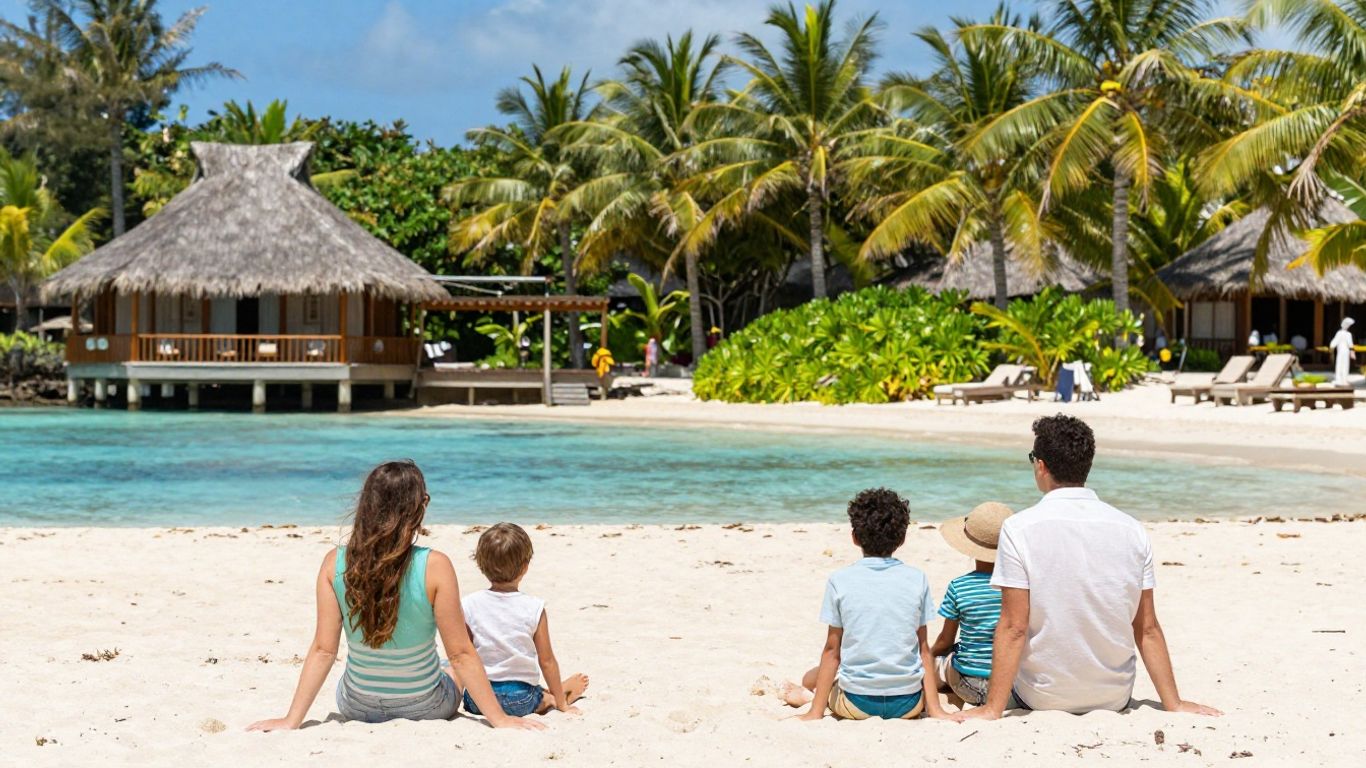

Trying to figure out how to book a family reunion trip can feel like a big job, especially if you’re the one everyone expects to organize it. There’s always someone who wants the beach, another who’s all about the mountains, and then there’s the budget talk—never fun. If you’re staring at a calendar and a long list of relatives, don’t stress. Here’s a simple guide to get your family reunion vacation off the ground without losing your mind (or your spot as the family favorite).
Key Takeaways
Start planning early—at least a year ahead—to give everyone time to save money and book time off work.
Put together a small committee so you’re not doing all the heavy lifting yourself, and keep everyone in the loop with regular updates.
Pick a date that works for most people, like a holiday or school break, and be flexible if you can.
Choose a destination that’s easy for everyone to get to and offers activities for all ages, whether it’s a cruise, resort, or big cabin rental.
Book your accommodations and group activities early to lock in the best options, and don’t forget to plan some downtime for everyone to relax.
Establish The Reunion Foundation
Getting a family reunion off the ground can feel like a big undertaking, and honestly, it is! But with a solid plan, it's totally doable. Think of this as the first big step in making sure everyone has a great time reconnecting.
Form A Planning Committee
Trying to do all the organizing yourself is a recipe for burnout. Instead, grab a few willing family members to form a small planning committee. This way, the workload gets shared, and you get different perspectives. Aim to have at least one person from each branch of the family involved. This group can tackle the big decisions and delegate smaller tasks. A private Facebook group or a group chat can be super handy for this committee to share ideas and updates without cluttering everyone's personal messages.
Determine The Guest List
This might seem obvious, but who exactly is invited? Generally, a family reunion means inviting your extended family – aunts, uncles, cousins, and so on. It's usually best to cast a wide net initially. You can always narrow things down later if needed, but it's better to include people upfront so no one feels left out. Remember, the whole point is to bring people together.
Seek Expert Planning Assistance
If your budget allows, don't shy away from professional help. There are travel agents and tour operators who specialize in large group trips, including family reunions. They can handle a lot of the nitty-gritty details, like booking flights, accommodations, and even activities. This can take a huge amount of pressure off one person or the planning committee, letting everyone relax a bit more. It's like having a secret weapon for a smoother planning process.
Here's a quick look at what the initial planning might involve:
Committee Formation: Identify key family members to share the planning load.
Guest List Draft: Create an initial list of all potential attendees.
Professional Help: Research and consider hiring a reunion planner or travel agent.
Initial Communication: Send out a 'save the date' or an interest survey to gauge availability and preferences.
Select The Perfect Reunion Timing
Picking the right time for your family reunion can feel like a puzzle. You want to find a sweet spot where most people can actually make it without too much hassle. Setting a date at least a year in advance is a good idea ; it gives everyone plenty of time to request off work, arrange childcare, and save up if needed. It's not just about finding a date that works for you, but for the whole crew.
Consider Key Family Dates
Sometimes, the easiest way to get a good turnout is to tie your reunion to an existing event or a significant family date. Think about major birthdays of beloved elders, anniversaries, or even a date that holds special meaning for your family's history. This can give people a built-in reason to travel and celebrate together.
Align With School Holidays
For families with kids, school breaks are often the most practical time for a reunion. Summer vacation is a popular choice because it offers a long window, but don't forget about shorter breaks like spring break or winter holidays. Just be aware that popular holiday periods can also mean higher travel costs and more crowded destinations, so booking early is key.
Factor In Travel Seasonality
When you're looking at dates, it's smart to think about when people actually like to travel to certain places. For example, visiting a beach town in the middle of winter might be cheaper but less appealing than going in the summer. Conversely, a ski resort is probably not the best pick for July. Checking out typical weather patterns and peak tourist seasons for your potential destinations can help you avoid bad weather or massive crowds, making the trip more enjoyable for everyone.
Define Your Reunion Budget
When you’re mapping out a family reunion vacation, money stuff comes up fast. Every family’s got a different idea of what’s “reasonable,” and trying to make it work for everyone is a balancing act. Get this: the sooner you talk numbers, the smoother all the rest will be.
Assess Individual Affordability
Start simple—just ask every family group how much they’re comfortable spending. Not everyone likes to talk about money, but you’ll need to do it, or someone’s going to feel left out. Try:
Sending an anonymous poll or Google Form asking everyone about their budget range (per person and/or per family)
Mentioning what typical costs cover—lodging, travel, activities, group meals, extras
Making it clear there’s zero judgment or pressure for anyone to go beyond what works for them
Explore Group Booking Discounts
Once you know roughly what everyone can chip in, start looking for deals that reward large groups. Hotels, cruise lines, airlines—they often cut serious deals if you’re booking a bunch at once. Here’s how discounts might look:
Always call or email properties and ask for “family reunion” or group pricing — online booking tools don’t always show the best rates
Ask about perks: free breakfasts, event space, or late checkouts
Don’t forget to check travel agent or cruise specialist offers too
Investigate Payment Plan Options
Even if everyone okays the target budget, seeing that big price tag can make people cringe. Stretching payments out can help a lot:
See if the resort/cruise offers interest-free monthly installments
Third-party services (many travel agents use these) sometimes split payments for a small fee
Communicate payment deadlines clearly to avoid last-minute stress
Budgeting for a big family trip is almost always a puzzle, but starting early leaves more wiggle room. Keep the lines open, find the sweet spot, and you’ll dodge awkward moments later.
Choose An Appealing Destination

Picking where to gather for your family reunion isn’t as easy as tossing a dart at a map—there’s usually a whole debate about beaches versus cabins and cities versus cruises. Getting the destination right makes a big difference in how much folks enjoy the trip (and how many complaints you’ll hear).
Gather Preferences From Family Members
It’s tempting to assume everyone wants the same thing, but honestly, every family is a mixed bag of opinions. Try these steps:
Send out a short survey to find out what people like (beach, outdoors, city, resort, cruise, etc.).
Ask about any “hard nos” (someone hates hiking, another refuses cruise ships—good to know early).
Check if there are places that are sentimental or convenient for big parts of the family.
Consider Multi-Destination Options
Families are rarely unanimous, but you can get clever about it. Cruises or road trips with a few stopovers can please both the beach lovers and the history buffs. Some families even split the trip into “choose your own adventure” days during a longer reunion, so there’s something for everyone without splitting up all week.
Evaluate Accessibility For All Ages
Accessibility is key for a good reunion. Don't forget about grandparents, toddlers, or anyone with mobility issues.
Research flights or driving distances for major family clusters.
Check if accommodations have elevators, ramps, or ground-floor options.
Make sure there are activities both for adventurous teens and relatives who’d rather sit and play cards.
If you're not sure how easy a spot will be for everyone, call ahead and ask specific questions—you’d be surprised what venues can offer if you give them a heads up.
Secure Travel Accommodations Early
Finding the right place for everyone to stay is a big piece of the puzzle. You want to make sure there’s enough room, it’s comfy, and ideally, not too far from all the fun stuff. Booking accommodations well in advance is key, especially for larger groups.
Book Rooms With Proximity In Mind
Think about where you're staying in relation to the activities you've planned. If you're heading to a national park, for instance, staying close by means less travel time and more time for exploring. For a cruise, this might mean looking at hotels near the port the night before you set sail. It’s all about minimizing the hassle of getting from point A to point B so you can actually enjoy the time together. Consider a central location that makes it easy for different family branches to meet up without a long trek.
Explore Various Suite Options
When you're booking, don't just look at standard rooms. Many hotels and rental properties offer different types of suites. Some might have a small kitchenette, which can be a lifesaver for quick breakfasts or snacks, saving both time and money. Others might have separate living areas, giving families a bit more space to spread out and relax. For larger families traveling together, a suite with multiple bedrooms can be a real game-changer, offering privacy while still keeping everyone under one roof. It’s worth looking into what options are available to best suit each family unit’s needs.
Reserve Connecting Rooms For Families
If you have smaller families or couples with young children, connecting rooms can be super convenient. This way, parents can keep an eye on the kids while still having their own space, or grandparents can be right next door to help out. It makes things so much easier when you need to pop back and forth. When you're making your reservations, be sure to specifically request connecting rooms. They can fill up fast, so the earlier you ask, the better your chances of getting them. It’s a small detail that can make a big difference in the day-to-day comfort of your group.
When you're looking for places to stay, remember that vacation rentals can sometimes offer more space and amenities like full kitchens, which can be great for group meals. Websites that specialize in group travel can be a good starting point for comparing different types of lodging.
Craft An Engaging Itinerary
Okay, so you've got the who, when, and where sorted. Now comes the fun part: figuring out what everyone's actually going to do . Building an itinerary for a family reunion can feel like trying to herd cats, but it's totally doable if you keep a few things in mind. The main goal here is to make sure there's something for everyone, from the littlest cousins to the great-aunts and uncles. Don't try to schedule every single minute; downtime is important too!
Delegate Activity Planning
Trying to plan every single activity yourself is a recipe for burnout. Seriously. Instead, spread the love! If you have a cousin who's a whiz at organizing games, let them take the lead on that. Maybe your aunt is a foodie and can plan a couple of special meals or a potluck sign-up. Assigning tasks makes the planning process feel more collaborative and less like a solo mission. It also gives different family members a chance to shine and contribute their unique talents. Think of it like a mini-project management setup for your family gathering.
Incorporate Activities For Every Generation
This is where the real magic happens. You want activities that bridge the age gaps. For example, a family talent show or a board game tournament can be a blast for all ages. If you're near a beach, building sandcastles is fun for the little ones, while the older folks might enjoy a leisurely stroll along the shore. Consider a group hike with varying difficulty levels, or even a simple scavenger hunt around your reunion spot. The key is variety. A good rule of thumb is to have at least one activity that appeals to the youngest crowd, one for the middle group, and one that the elders will appreciate. You might even find that activities you didn't expect become the biggest hits!
Balance Scheduled Events With Free Time
While it's tempting to pack the schedule tighter than a sardine can, remember that people also need time to just relax and connect on their own terms. Some family units might want to explore a local attraction independently, while others might just want to hang out by the pool or catch up in the common areas. Build in blocks of unscheduled time. This allows for spontaneous conversations, naps, or impromptu games. It also gives people the flexibility to opt-in or out of specific planned activities without feeling pressured. A good balance means everyone can enjoy the reunion at their own pace, leading to a more relaxed and enjoyable experience for all. Remember, the point is connection, and sometimes the best connections happen when no one is actively trying to orchestrate them. Planning for flexibility is just as important as planning the main events. You can find some great ideas for group activities and how to manage them on family reunion planning sites .
Plan Memorable Group Dining
Eating together is a big part of any family reunion. It’s more than just a meal—it’s a time to chat, catch up, and swap stories from past get-togethers or family mishaps. Group dining takes some effort, but when everyone is at the table and laughing, it’s worth it. Here’s how to make those shared meals one of the highlights of your reunion.
Explore Onboard Culinary Options
Check if your destination or resort offers group dining packages or buffets. This saves time and usually offers more choices for picky eaters.
Look for special nights, like seafood feasts or BBQs, to turn dinner into an event.
Don’t overlook casual options like food trucks, pizza nights, and make-your-own-taco bars.
When booking a cruise or resort, ask about the variety of restaurants and if any require advance sign-up. For example, with some vacation packages, you’ll find everything from Italian to Korean cuisine without leaving the property or ship.
Reserve Meal Times In Advance
Large groups should book meal slots as early as possible to sit together.
Some places limit group sizes at tables or need special arrangements for high chairs or accessibility.
Assign someone as your “Food Coordinator" to manage reservations.
Here's a simple table to track family dining needs:
Having this organized will help everyone get what they need and keep mealtimes stress-free.
Consider Themed Dinner Nights
Host classic themes like Taco Tuesday, BBQ Night, or an old-fashioned pasta party.
Encourage each family to “host” a meal one night, picking the theme and menu.
Potluck-style works well—each branch of the family brings a dish from their part of the country, or a favorite family recipe.
If you’re looking for ways to keep dining enjoyable and affordable, cooking some group meals together can be a smart workaround, which is one of the helpful ideas mentioned when planning a family reunion . You don’t have to overcomplicate it—shared meals, whether simple or fancy, always taste better with family.
Organize Exciting Excursions

Nothing brings a family together like shared adventures off the beaten path. Whether you’re traveling by cruise or land, excursions are your shot to make memories that last way past the trip itself.
Select Family-Friendly Shore Adventures
Choose activities that suit a wide range of ages and abilities, like guided nature walks, easy bike rides, or beach days close to port.
Look for hands-on experiences—think interactive wildlife centers, scavenger hunts, or classes (like cooking or crafting) that everyone can join.
Ask folks what would make them happiest; a quick survey can really help balance everyone’s interests.
Book Group Tours For Port Exploration
Booking as a group often saves money and guarantees your family can stick together. Here’s a quick comparison for group vs. individual tour costs:
Reserve in advance—last-minute planning means you’ll probably miss out or pay extra.
If your reunion is large, ask for a private guide who can tailor the stops for your interests.
Don’t underestimate travel time between stops; staying relaxed is easier if you aren’t rushing.
Create Lasting Memories Together
Build in at least one group photo op where everyone’s present. Sounds simple, but you’ll value that group shot later.
Consider surprise moments—maybe a birthday cake at a local café for Grandma, or team t-shirts for the day.
Make sure all ages are included in at least one special moment, from toddlers splashing in tide pools to teens cheering on a zipline.
Keep group outings flexible, fun, and all about experiencing something new as a family. That’s what everyone will remember most when the trip’s over.
Prepare A Comprehensive Packing List
Packing for a big family reunion vacation? It honestly sneaks up on you—there’s always something that gets forgotten in the shuffle, especially when everyone’s buzzing about activities and meal plans. A solid group packing list prevents last-minute scrambles and overlooked must-haves.
Include Essential Clothing Layers
Let’s be real: the weather does what it wants. To cover all bases, each family member should pack:
Light t-shirts, mid-weight sweaters, and a rain jacket
Swimwear and water shoes if there’s a pool or beach nearby
Comfortable walking shoes for outings, plus flip-flops or slippers for inside
One outfit for any "family photo" moments (matching T-shirts are a bonus)
A table can make it less overwhelming to assign clothing basics for everyone:
Pack Entertainment For Downtime
You can’t plan every second—and honestly, you shouldn’t. Sometimes, the best memories are made in between excursions, when everyone’s just hanging out. Be sure to pack a mix of activities for all ages:
Board games, cards, and puzzles—easy to share and great for rainy days
Favorite books, e-readers, or comic books
Tablets loaded with movies for teenagers or a communal movie night
Portable speakers for music playlists
Chargers for every device (and maybe a power strip—you’ll thank yourself later)
Don't Forget Necessary Travel Documents
Forget these, and the reunion could start with a headache. Arrange a checklist that everyone reviews before leaving:
IDs (driver’s license, passport if international, birth certificate for kids)
Copies of medical insurance cards and relevant prescriptions
Printed confirmations for hotel, rental, or group activity bookings
Emergency contacts and allergy info for the group organizer
Any specialty gear needed for planned excursions (strollers, medical devices, etc.)
One thing I found super helpful? Sharing a single, editable spreadsheet online with all these categories so the planning committee and families can keep each other in the loop. Not only does it avoid duplicate packing, but it also helps everyone feel included—kind of like the old "potluck spreadsheet," but for luggage. For even more tips about including everyone early and avoiding missed essentials, delegating tasks early during the planning process makes a huge difference.
No matter how big your group, a good master packing list can be a lifesaver. It’s not just about stuff—it’s about making the trip easygoing and fun for everyone, even when someone’s socks end up in the wrong suitcase (trust me, it’ll happen).
Communicate Planning Updates Clearly
Keeping everyone in the loop is super important. When plans change, or when you nail down a new detail, let people know right away. A quick email or a group chat message can go a long way. Nobody likes feeling left out or surprised by last-minute decisions. It helps avoid confusion and makes everyone feel like they're part of the process, not just along for the ride.
Address Potential Conflicts Proactively
Let's be real, family get-togethers can sometimes bring up old issues. It's not always easy, but try to head off any potential drama before it starts. If you know certain topics tend to cause arguments, maybe steer clear of them. The goal is to have fun and reconnect, not to rehash old fights. Sometimes, just acknowledging that things might get a little tense and agreeing to keep things light can make a big difference.
Encourage Connection Among Relatives
Think about ways to get people talking and interacting. Icebreaker games, casual get-togethers, or even just setting up comfortable seating areas can help. It’s not just about the big planned events; it’s also about those spontaneous moments of catching up and making new memories. Try to connect with as many people as you can, especially if it's a larger group. The more people feel included and connected, the smoother the whole experience will be.
And That's a Wrap!
So, planning a family reunion might seem like a lot, and honestly, it is. But think about it – all those little details, the dates, the places, the activities, they all lead up to something pretty special. It’s about bringing everyone together, making new memories, and maybe even laughing about the old ones. Don't get too bogged down in making it perfect for everyone; just aim for a good time where people can connect. In the end, the effort you put in will be worth it when you see everyone smiling, sharing stories, and just enjoying being together. Happy reunion planning!
How far in advance should we start planning a family reunion vacation?
It's best to begin planning at least a year ahead. This gives everyone enough time to save money, get time off work, and make travel plans. Booking early also helps you get the best prices and room choices.
Who should be in charge of planning the family reunion?
Create a small planning committee with one person from each family group. This way, the work is shared, and everyone has a say in decisions. You can also ask a travel expert for help if your group is very large or you want things to be easier.
How do we pick a date that works for most people?
Try to plan around big holidays or school breaks, like Memorial Day, Thanksgiving, or summer vacation. Ask your family about their schedules and try to choose a date that works for the most people.
How can we make the trip affordable for everyone?
Talk to your family about what they can spend. Look for group discounts on hotels, cruises, or attractions. You can also see if there are payment plans available to make it easier for everyone.
What’s the best way to choose a destination?
Ask your family for their ideas and make a list of places everyone likes. Think about how easy it is for everyone to get there and if the location has activities for all ages. Sometimes, picking a place with lots to do, like a cruise or a big cabin, makes everyone happy.
When should we book our rooms or cabins?
Book as soon as you can, especially if your group is large or you want special rooms, like ones that connect. Booking early means you'll have more options and can get rooms close together.
How do we plan activities so everyone has fun?
Let different people help plan activities. Mix group events with free time, and make sure there are things for all ages to enjoy. You can use planning apps to keep everyone updated.
What should we pack for a family reunion vacation?
Pack clothes for different weather, things to do during downtime (like games or books), and all your travel documents. If you’re staying somewhere special, like a cabin or cruise, check if you need to bring anything extra, like swimwear or special gear.