

Planning a trip with a group, especially family, can feel like herding cats sometimes. You want everyone to have a good time, but getting there without losing your mind? That's the real challenge. This guide is all about making that happen. We'll look at simple ways to keep things on track, from using your phone to just talking things out. Good family travel coordination means less stress and more fun for everyone involved. Let's get this trip organized!
Key Takeaways
Use apps and digital tools to keep everyone in the loop and all plans in one easy-to-find spot. This helps with family travel coordination.
Create clear checklists for packing and tasks before the trip so nothing gets missed.
Figure out money matters early. Apps for splitting costs and clear expectations stop awkward conversations later.
Keep communication open with group chats and by having a go-to person for big decisions.
Don't overschedule! Leave room for spontaneous fun and unexpected discoveries to make the trip enjoyable for all.
Streamlining Family Travel Coordination With Digital Tools
Planning a trip with the whole family can feel like herding cats sometimes, right? But thankfully, we've got a bunch of digital helpers these days that make it way less chaotic. Think of them as your virtual travel assistants, ready to sort out the details so you can actually enjoy the anticipation of the trip.
Leveraging Travel Apps for Seamless Planning
These days, there's an app for pretty much everything, and travel is no exception. Before you even think about packing, download and update any apps you might need. Whether it's for booking flights, finding local eats, or even just checking the weather, having these ready to go can save you a ton of hassle. Some apps can even send you alerts about flight changes or gate updates, which is a lifesaver when you're rushing through an airport. It's a good idea to create accounts and log in before you leave home, just to make sure everything's working.
Creating Digital Itineraries for Easy Access
Forget those bulky paper printouts that get lost in the shuffle. A digital itinerary is your trip's command center. You can map out your days, including flight times, hotel addresses, planned activities, and even restaurant reservations. If you're feeling ambitious, you can add opening hours, travel times between places, and notes about what's included. This way, everyone in the group can have a copy on their phone, and you can access it anytime, anywhere. It’s like having a portable guide that keeps everyone on the same page.
Storing Essential Documents in Cloud Storage
Losing important documents like passports, visas, or booking confirmations can turn a dream trip into a nightmare. The smart move is to make digital copies of everything and store them securely in the cloud. Services like Google Drive, Dropbox, or iCloud let you create folders for your trip, so all your vital papers are in one accessible place. You can even take photos of your physical documents and upload them. This way, if your wallet gets stolen or your phone dies, you haven't lost everything. It’s a simple step that offers a huge amount of peace of mind.
Organizing Pre-Trip Preparations for Group Adventures
Getting ready for a group trip can feel like a lot, right? Between figuring out what everyone needs to pack and making sure all the little tasks get done before you even leave the house, it's easy to get overwhelmed. But honestly, a little bit of upfront organization can make a world of difference.
Utilizing Checklists for Packing and Tasks
Think of checklists as your best friend when it comes to pre-trip prep. They help you keep track of everything so nothing slips through the cracks. You can find tons of general packing lists online, or even look for ones specific to your destination and the time of year you're traveling. This way, you're not just guessing what to bring.
Beyond packing, create a separate list for all those pre-trip chores. This could include things like:
Arranging for mail to be held
Booking pet or house sitters
Confirming reservations
Notifying banks of travel dates
Having these lists means you can actually relax a bit more before you go.
Creating Comprehensive Travel Research Systems
Researching your destination is half the fun, but it can also get messy if you don't have a system. Instead of just having a million browser tabs open, try organizing your findings. You could use a note-taking app like Google Keep or Evernote to create different digital notebooks for accommodations, activities, or transportation. Tagging your notes makes it super easy to find what you need later.
Another neat trick is using Google Maps to save places you want to visit. You can create custom lists for different areas or types of attractions. It keeps all your research in one visual place.
Sharing Important Information with Travel Companions
Once you've done the research and made some plans, it's important to get everyone on the same page. A shared document or a dedicated group chat can be a lifesaver. You can post links to potential activities, share booking confirmations, or even just discuss preferences for meals.
Make sure everyone knows where to find key information, like:
Flight or train details
Accommodation addresses and check-in instructions
Contact numbers for the group
A basic outline of the day's plans
This way, if someone gets separated or has a question, they can easily find the answer without having to track down one specific person.
Managing Finances and Shared Expenses
When you're traveling with a group, figuring out who owes what can get messy fast. It's not just about splitting the cost of a shared Airbnb or a big dinner; it's also about those little things like gas money, snacks, or entrance fees that add up. Having a clear plan for money matters before you even leave can save a lot of awkward conversations and potential headaches down the road.
Employing Apps for Splitting Bills
Forget trying to keep track of IOUs in a crumpled napkin. There are some really handy apps out there designed specifically for this. Apps like Splitwise or Tab work by letting you log expenses as they happen. You can assign who paid for what and who it's for. At the end of the trip, or even during, the app will tell you exactly who owes whom and how much. It takes all the guesswork out of it.
Establishing Clear Payment Expectations
Before the trip kicks off, it's a good idea to chat about how you'll handle shared costs. Will one person front the money for big things like accommodation and then get reimbursed? Or will everyone pay for their own meals? Discussing this upfront means no one feels surprised or put on the spot later.
Here are a few common ways groups handle payments:
One Person Pays and Gets Reimbursed: Someone volunteers to put major expenses on their card, and others send them money via Venmo, Zelle, or bank transfer. This works well if someone has a good credit card for points or just prefers to manage the big payments.
Individual Payments: Everyone pays for their own meals, activities, and souvenirs. For shared costs like lodging, you might collect money upfront or use a payment app to settle up.
Shared Pot: The group contributes a set amount to a central fund for shared expenses. This requires trust and good record-keeping.
Tracking Shared Costs Effectively
Even with apps, keeping a simple record can be helpful. A shared spreadsheet or even a dedicated note on your phone can work. You can list out the expense, who paid, and who was involved. This acts as a backup and a quick reference if any questions pop up.
Here’s a basic structure you could use:
Enhancing Communication Within Your Travel Group
Keeping everyone on the same page during a group trip can feel like herding cats sometimes, right? But good communication is the glue that holds it all together. When you're traveling with a bunch of people, whether it's family or friends, making sure everyone knows what's happening and feels heard makes a huge difference. It cuts down on confusion and those awkward moments where half the group is waiting at the wrong spot.
Setting Up Group Chat for Real-Time Updates
This is pretty much a no-brainer these days. Before you even leave, get a group chat going on whatever app works best for everyone – WhatsApp, Signal, even a good old-fashioned SMS group. It's your central hub for quick questions, last-minute changes, or just sharing funny photos from the day. Think of it as your digital town square.
Daily Check-ins: A quick morning message like "Breakfast at 8 AM, meet by the lobby" can save a lot of wandering.
Location Sharing: If people are splitting up, sharing live locations can be a lifesaver for meeting up later.
Emergency Contact Info: Keep a shared note with everyone's emergency contacts and any important medical info.
Designating a Point Person for Key Decisions

While everyone should feel involved, having one or two people who can make the final call on certain things can speed things up. This isn't about being a dictator; it's about avoiding endless debates over minor details. Maybe one person is the go-to for restaurant bookings, and another for activity confirmations. This works best when everyone agrees on who these people are beforehand.
Establishing Communication Protocols
This sounds fancy, but it's just about setting some ground rules. What's the best way to get a hold of someone if it's urgent? When is it okay to just text, and when should you call? Are there quiet hours when people shouldn't be bombarded with messages?
Here are a few ideas:
Urgent vs. Non-Urgent: Agree on a signal for urgent messages (like a specific emoji or word) versus general updates.
Response Times: Set realistic expectations for how quickly people should respond. Not everyone can be glued to their phone.
Meeting Points: For spontaneous meetups, designate a default spot if no other plan is made.
Decision-Making Flow: For bigger decisions, how will you gather input and make a choice? A quick poll in the group chat? A brief huddle?
Clear communication makes group travel way less stressful and a lot more fun for everyone involved.
Packing Strategies for Group Harmony
Packing for a group trip can feel like a puzzle, especially when everyone has different needs and preferences. The goal is to make sure everyone has what they need without overpacking or causing chaos. Thinking ahead about what each person will bring can save a lot of space and hassle.
Using Packing Cubes for Efficient Organization
Packing cubes are a game-changer for group travel. They help keep individual items sorted and make it easy to find what you need without rummaging through the whole suitcase. You can assign different colors to different people or use them to categorize items like tops, bottoms, or toiletries. This way, when you arrive at your destination, you can just pull out the relevant cube instead of unpacking everything.
Categorize: Dedicate cubes to specific types of clothing (shirts, pants, socks) or to individual travelers.
Compress: Use compression cubes for bulkier items like sweaters or jackets to save space.
Separate: Have a designated cube for dirty laundry to keep clean clothes fresh.
Creating a Master Packing List
A shared packing list is super helpful. It prevents duplication of items like hair dryers or first-aid kits and ensures no one forgets something important. You can create a simple document or use a shared app. It's a good idea to include categories for clothing, toiletries, medications, electronics, and any specific gear needed for planned activities.
Packing Smart for Varied Activities
Consider the range of activities you'll be doing. If your group is planning hikes, beach days, and nice dinners, you'll need versatile clothing. Encourage everyone to pack layers that can be mixed and matched. A good rule of thumb is to choose a color palette so items can easily be combined. This way, fewer items are needed overall, and everyone can create multiple outfits.
Navigating Destinations as a Group
Once you've arrived, figuring out how to get around and where to go can be a whole new adventure, especially with a group. It's easy for things to get a bit chaotic if you don't have a plan. Think about how you'll handle getting from the airport to your lodging, or how you'll manage day trips. Having a clear transportation strategy can save a lot of headaches.
Mapping Out Transportation Options
When you're traveling with multiple people, your usual solo methods might not cut it. You'll need to think about how everyone will get from point A to point B. This could involve booking a large van, coordinating multiple cars, or relying on public transport. Consider the group's size, budget, and the destination's accessibility.
Public Transit: Great for cities with good networks. Look into day passes or group tickets if available. It's often cheaper and less stressful than parking.
Ride-Sharing/Taxis: Useful for shorter distances or when public transport isn't convenient. Apps can make this easier, but be prepared for surge pricing during peak times.
Rental Cars/Vans: Ideal for exploring areas outside the city or if you have a lot of luggage. Make sure you have enough drivers and understand local driving laws.
Walking: Sometimes the best way to see a place, especially in compact city centers. Just make sure everyone is up for the stroll.
Saving Points of Interest with Digital Maps
Nobody wants to be the person constantly asking for directions or getting lost. Digital maps are your best friend here. You can use them not just for getting around, but also for keeping track of all the cool spots you want to visit.
Google Maps/Apple Maps: These are pretty standard. You can save locations, create custom lists (like "Must-See Sights" or "Best Cafes"), and even share these lists with your group. This way, everyone can see where you're headed next.
Offline Maps: Download maps of your destination before you leave. This is a lifesaver if you don't have reliable data access or if your phone battery dies.
Pinning Locations: Before the trip, have everyone suggest places they want to go. Drop pins for all of them on a shared map. You can then group these pins by day or by neighborhood to make planning easier.
Planning Group Meals and Activities
Food is a big part of any trip, and coordinating meals for a group can be tricky. You'll want to balance trying local specialties with making sure everyone has something they'll enjoy. The same goes for activities – not everyone will be interested in the same things.
Meal Reservations: For popular restaurants, especially for dinner, booking ahead is a good idea. This avoids long waits and disappointment.
Variety is Key: Try to mix it up. Some meals could be at nice restaurants, others could be casual picnics, and maybe even a cooking night at your accommodation if possible.
Activity Options: Offer a couple of choices for activities on certain days. This allows people to opt-in for what interests them most, rather than forcing everyone into one activity.
Designated Meal Times: Try to have at least one meal together each day. This is a good time for everyone to reconnect and share their experiences.
Documenting and Remembering Your Group Journey
It’s easy to get caught up in the moment when you’re traveling with a group, and before you know it, the trip is over. But what if you could capture those shared experiences in a way that everyone can look back on? Documenting your journey doesn't have to be a chore; it can actually add another layer of fun and connection to your trip.
Keeping a Shared Travel Journal
Think of a shared journal as the group's collective memory keeper. It’s a place to jot down funny anecdotes, unexpected discoveries, or even just what you ate for lunch that day. You don't need to be a professional writer for this. Simple notes, doodles, or even ticket stubs can make a journal come alive. The goal is to capture the essence of your shared adventure.
Designate a primary journal keeper or rotate the responsibility daily.
Encourage everyone to contribute – even a single sentence or a quick sketch counts.
Include practical details like hotel names, restaurant recommendations, or funny travel mishaps.
Saving Photos and Memories Digitally
Photos are often the first thing people think of when remembering a trip, but with multiple people taking pictures, they can get scattered. Setting up a shared digital album is a game-changer. This way, everyone can upload their best shots, creating a rich collection of memories from different perspectives. You can even organize them by day or by event.
Create a shared cloud album (like Google Photos, iCloud Shared Albums, or Dropbox) before you leave.
Establish a naming convention for photos to make them easier to sort later.
Set a deadline for uploading photos after the trip to ensure everything is collected.
Consider creating a custom photo book after your trip to compile all these digital memories. It’s a great way to have a physical memento of your group's adventure, and you can find many options for creating photo books online .
Creating a Post-Trip Resource
Once the trip wraps up, the documentation doesn't have to end. Compile all the notes, photos, and even digital itineraries into a single, easily accessible format. This could be a shared folder on a cloud drive, a simple webpage, or even a well-organized digital document. This resource can be incredibly helpful for:
Recalling details for future trips.
Sharing recommendations with friends or family.
Reliving favorite moments together long after you've returned home.
Choosing the Right Accommodation for Group Comfort
Finding a place to stay that works for everyone in your group can feel like a puzzle. It’s not just about finding beds; it’s about creating a comfortable base camp where people can relax, connect, and recharge. Think about the vibe you want – are you aiming for a cozy, home-like feel, or something more functional and central?
Exploring Home-Share Networks
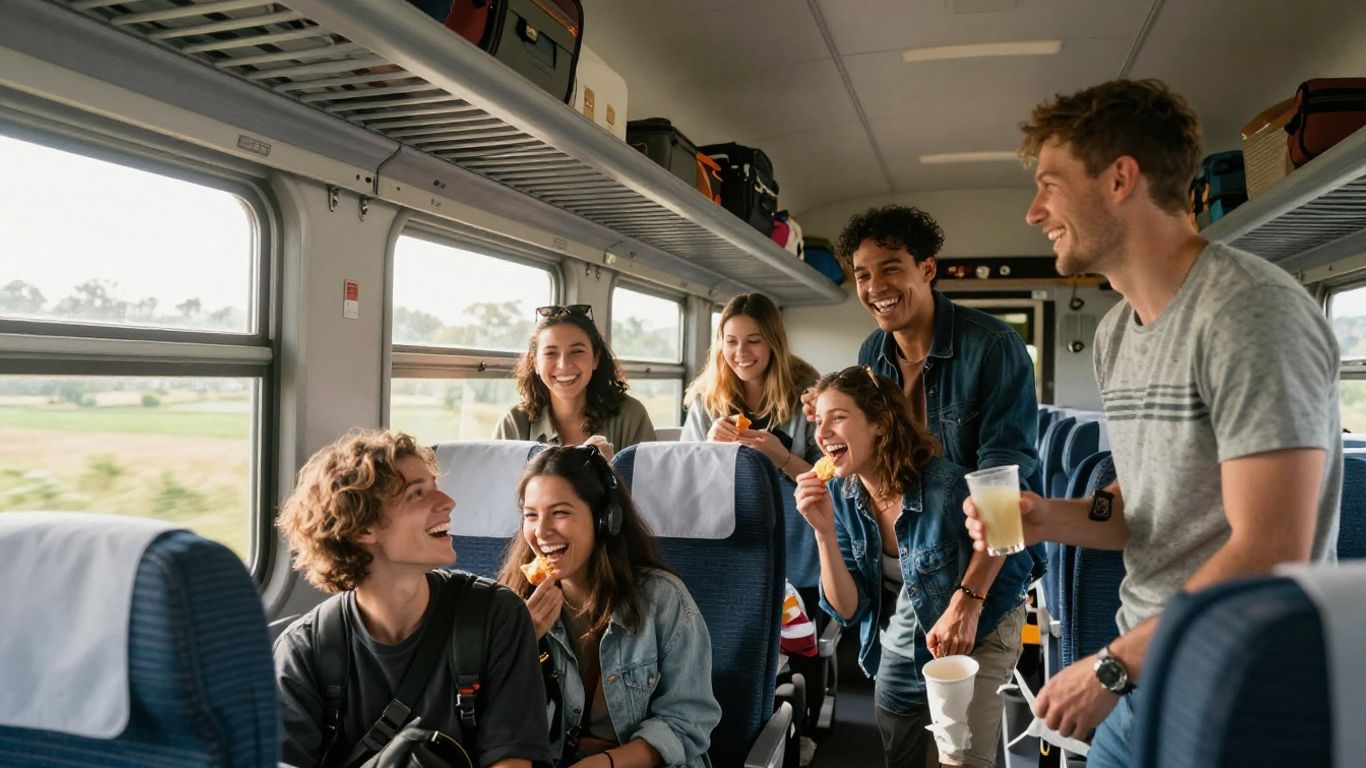
Home-sharing platforms can be a goldmine for group travel. You can often find entire houses or apartments that give you more space and common areas than a hotel. This means a shared living room for evening chats, a kitchen for making breakfast or snacks, and sometimes even outdoor space. It’s a great way to feel more like you’re living like a local, rather than just visiting.
Look for places with enough bathrooms. Seriously, this is a game-changer for group harmony, especially in the mornings.
Check the sleeping arrangements carefully. Are there enough actual beds, or will people be on pull-out sofas? Make sure it matches your group's expectations.
Read reviews specifically from other groups. They’ll often mention things like noise levels, suitability for kids, or how well the kitchen is equipped.
Considering Hotels with Group Amenities
Hotels aren't just for solo travelers or couples anymore. Many hotels now cater to groups with specific amenities. Think about places that offer adjoining rooms, suites with separate living areas, or even on-site restaurants and bars that make it easy to gather. Some hotels also have meeting rooms or event spaces that can be useful for larger groups who want to have a dedicated spot to hang out.
Balancing Private and Shared Spaces
This is probably the most important part of picking accommodation. You want enough shared space for everyone to hang out together, play games, or just chat. But you also need to make sure people have their own private spots to retreat to when they need a break. A place with a mix of common areas (like a living room or dining table) and private bedrooms is usually the sweet spot. It allows for both togetherness and individual downtime, which is key for keeping everyone happy on a group trip. Finding that balance means fewer people feeling overwhelmed or left out.
Flexibility and Adaptability in Group Travel
Group trips are fantastic for making memories, but let's be real, they can also be a recipe for stress if you try to stick to a rigid plan. Things rarely go exactly as you imagine, and that's okay! The key to a smooth group trip is building in room for the unexpected.
Avoiding Overscheduling for Spontaneity
It's tempting to pack every minute with activities, especially when you've got a group with diverse interests. But trying to do too much too soon can leave everyone feeling rushed and exhausted. Instead, aim for a looser structure. Think about having one or two 'must-do' activities per day and leaving the rest of the time open for spontaneous adventures or just relaxing.
Morning: Casual breakfast, maybe a walk around the neighborhood.
Afternoon: Planned activity (e.g., museum visit, hike) OR free time for shopping/napping.
Evening: Group dinner, followed by optional drinks or a quiet night in.
This approach allows people to opt-in or out of activities based on their energy levels and interests, preventing anyone from feeling dragged along.
Building Buffer Time into the Itinerary
Always, always, always add extra time between planned events. You know how long it should take to get from point A to point B, but with a group, it's almost always longer. Someone will need the restroom, someone else will want to take a photo, and then there's the inevitable discussion about where to go next. Buffer time isn't wasted time; it's smart planning that prevents the whole group from getting flustered when minor delays happen.
Embracing Unexpected Discoveries
Sometimes the best travel moments are the ones you didn't plan for. Maybe you stumble upon a local festival, find a charming cafe off the beaten path, or have a hilarious conversation with a stranger. If your schedule is too packed, you might miss these gems. Encourage your group to be open to detours and new experiences. These unplanned moments often become the most cherished memories of the trip.
Leveraging Technology for Stress-Free Family Travel Coordination
Let's face it, keeping track of everything for a group trip can feel like juggling chainsaws. But thankfully, we've got some pretty neat tech tools these days that can make it way less chaotic. Think of them as your digital co-pilots for family adventures.
Utilizing Shared Calendars for Key Dates
This is a game-changer, seriously. Instead of a million texts about who's doing what when, you can get everyone on the same digital page. Shared calendars are fantastic for plotting out the big stuff: flight times, hotel check-ins, planned excursions, and even when Aunt Carol needs to pick up the rental car. It cuts down on confusion and those awkward "Oh, I thought we were doing that tomorrow" moments. Plus, most apps let you set reminders, so nobody misses a flight or a reservation.
Add all confirmed bookings: Flights, hotels, rental cars, tours.
Include personal travel days: Block out travel time to and from the airport.
Note important deadlines: Like when final payments are due for accommodations.
Share with the whole group: Make sure everyone has access and knows how to view it.
Exploring AI Tools for Planning Assistance
Okay, so AI might sound a bit fancy, but it's actually becoming super helpful for trip planning. Think of it as a super-smart assistant that can sift through tons of information way faster than we can. You can ask it to suggest kid-friendly activities in a specific city, find restaurants that cater to dietary needs, or even help draft a basic itinerary based on your interests. It's still a good idea to double-check its suggestions, but it can definitely give you a head start and spark ideas you might not have thought of. It's a great way to get initial ideas down before you start booking things.
Keeping Digital Copies of Important Bookings
This one is simple but so important. Instead of printing out a stack of papers that can get lost or damaged, keep digital copies of everything. Your flight confirmations, hotel reservations, car rental details, even tickets for attractions – save them all in one accessible place. Apps like TripIt are brilliant for this, as they can often pull information directly from your email confirmations. Having everything in one digital spot means you can pull it up on your phone anytime, anywhere, without lugging around a folder.
Using these tech tools can really take the edge off group travel planning. It's about making things smoother so you can focus on the fun parts of your trip, not the logistics.
Wrapping It All Up
So, there you have it. Group travel doesn't have to be a chaotic mess of missed connections and forgotten bookings. By using some of these simple tools and tricks, like shared itineraries, handy apps, and clear communication, you can actually make planning and executing a group trip a breeze. It might take a little effort upfront, but trust me, the payoff of a smooth, fun trip where everyone actually enjoys themselves is totally worth it. Now go forth and plan that amazing group adventure!
What's the best way to keep track of all our group's plans?
Using travel apps can really help! You can find ones that let you build a shared itinerary, so everyone sees the same plan. Think of it like a digital roadmap for your trip that everyone can access on their phones.
How can we make sure everyone knows where important stuff like tickets and reservations are?
Save digital copies of all your important papers, like passports, tickets, and hotel bookings, in cloud storage. This way, if someone loses their phone or forgets their wallet, you can still get to those important documents from any device.
What's a good way to handle money when we're all spending together?
There are apps specifically for splitting costs, like Splitwise. They make it super easy to track who paid for what and who owes whom. It takes the guesswork out of figuring out who owes what at the end of the trip.
How do we make sure everyone in the group stays in the loop about changes or important info?
Setting up a group chat is a great idea! You can use apps like WhatsApp or a group text. This way, you can send quick updates, share photos, and make sure everyone gets important messages right away.
What's the easiest way to pack for a group trip so things don't get messy?
Packing cubes are a game-changer! They help you sort your clothes and keep your suitcase neat. You can even make a master packing list that everyone can use, so nobody forgets to bring essentials.
How can we plan our days without making things too rushed?
It's best not to pack too much into each day. Leave some free time for relaxing or exploring unexpected things. Building in extra time between activities helps avoid stress if something runs late.
What's the best way to find places to stay that work for a whole group?
Look into places like home-sharing networks (think Airbnb) or hotels that have rooms or suites good for groups. It's also smart to think about how much private space everyone needs versus shared areas.
How can we make sure everyone's travel research is organized and easy to share?
Create a system for saving your research, maybe using digital notebooks or shared documents. This way, everyone can see the cool places you've found and contribute ideas easily, making the planning process smoother for everyone.