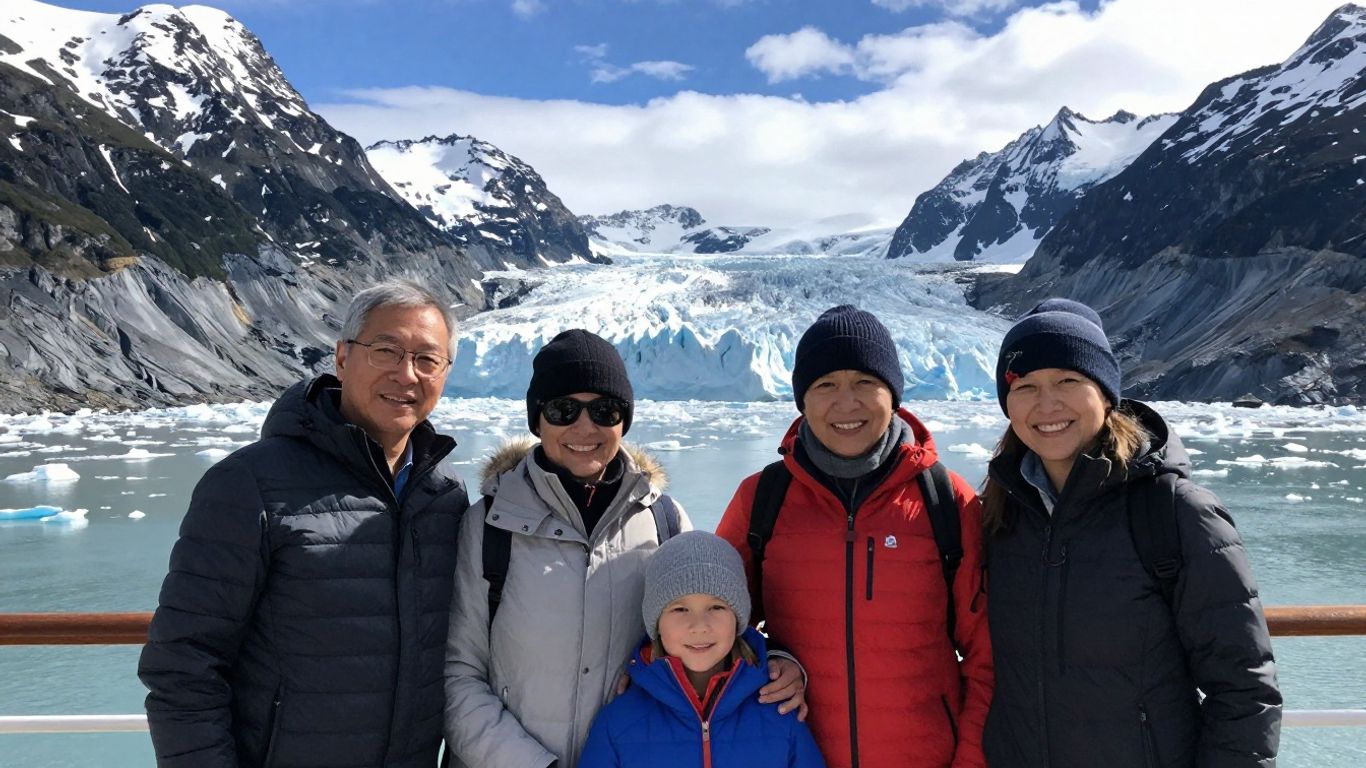

Getting the whole family together again after a long time apart can feel like a huge undertaking. You want it to be special, memorable, and, most importantly, fun for everyone. But let's be real, coordinating a big group trip, especially a reunion, involves a lot of moving parts. From picking a spot that works for all ages to figuring out who sleeps where and how everyone gets there, it can get complicated fast. That's why, when it comes to planning these precious get-togethers, starting early isn't just a good idea – it's pretty much the secret sauce to making it all happen without losing your mind. Think of early booking family trips as your first step towards a stress-free reunion.
Key Takeaways
Booking your reunion trip well in advance helps you lock in popular destinations and specific dates that work for most of your family.
Starting your planning early gives everyone enough time to sort out their own schedules, budgets, and any personal arrangements like pet sitters.
Choosing a destination that has activities for different age groups and interests makes the trip enjoyable for the entire family.
Securing Desired Destinations and Dates
When you're trying to get a whole bunch of people together, especially if they live all over the place, picking the right time and spot can feel like a puzzle. The sooner you start looking, the better your chances of actually getting the dates and the place everyone wants. Think about it – popular vacation spots fill up fast, especially during school breaks or holidays. If you wait too long, you might end up with a less-than-ideal location or dates that don't work for a good chunk of the family. Getting those key details locked down early means less stress later on.
Accommodating Larger Groups Seamlessly
Family reunions often mean a lot of people, and not just a few. You might have aunts, uncles, cousins, and even great-aunts and uncles all trying to make it. Finding lodging that can fit everyone comfortably, or booking enough tables at a restaurant, can be tricky. Booking ahead gives you more options. You can look into renting a big house, booking a block of hotel rooms, or even finding a venue that can handle a crowd. It’s way easier to manage when you’re not trying to cram everyone into a place that’s already half-booked.
Ensuring Availability for All Attendees
This one’s pretty straightforward. The more people you have coming, the more likely it is that someone’s first choice for a flight, a hotel room, or even a specific activity will be gone if you wait too long. Early booking helps make sure that everyone who wants to come can actually get there and participate. It’s about making it possible for as many family members as possible to join in on the fun, without having to settle for something that doesn’t quite work for them. This way, you’re not leaving people out simply because you didn’t plan ahead.
Planning Your Reunion: The Importance of Starting Early
Thinking about a family reunion can feel a bit overwhelming, right? Especially when you start picturing everyone's busy schedules and different locations. But honestly, getting a head start on the planning is the secret sauce to making it all work without losing your mind.
Coordinating Schedules Across Distances
Trying to find a date that works for Aunt Carol in Florida, your cousin in California, and your brother who's always on the road? It's a puzzle, for sure. The earlier you start asking around, the better your chances of finding a sweet spot. Sending out a quick poll with a few date options can save a ton of back-and-forth emails. You might not hit a date that's perfect for absolutely everyone, but aiming for the majority is usually the way to go. This gives people plenty of notice to request time off work or make other arrangements.
Send out an initial feeler with a few potential date ranges.
Use a simple online poll (like Doodle or a survey tool) to collect preferences.
Aim for a date that works for the largest group, understanding that a few might have to miss out.
Allowing Ample Time for Individual Preparations
Once you've got a date locked in, people need time to actually get ready. This isn't just about booking flights or hotels. Some folks might need to arrange childcare, request vacation days, or even plan for pet care. Giving everyone a good chunk of notice means they can handle these personal details without feeling rushed or stressed. It also means they can start thinking about what they want to do during the reunion, maybe researching local attractions or planning their own mini-family get-togethers within the larger event.
Reducing Stress Through Advance Planning
Let's be real, planning a big event can be a lot. If you try to do it all last minute, it's a recipe for stress. By starting early, you can spread out the tasks. Maybe one person handles invitations, another looks into accommodation options, and someone else starts brainstorming activities. This not only makes the process more manageable but also allows for more thoughtful decisions.
Budgeting and Financial Planning for Group Travel
Okay, let's talk money. Planning a reunion means figuring out how to pay for it all, and honestly, this is where things can get a little tricky if you're not careful. Setting a realistic budget right from the start is probably the most important step you can take. Think of it like this: you wouldn't start building a house without knowing how much lumber you can buy, right? Same idea here.
Setting Realistic Budgets Early On
First things first, you need to get a handle on what people are comfortable spending. This isn't always an easy conversation, but it's necessary. This helps you gauge the overall financial vibe of the group. Remember, the goal is to have everyone there, not just the folks with deep pockets. It's also a good idea to think about the type of reunion you're aiming for. Are we talking a simple, casual get-together, or more of a fancy, destination-style trip? That choice alone can really change the budget.
Identifying Major Expenses First
When you're building that budget, it's smart to focus on the big ticket items first. These are the things that will eat up the most money and where you might find the biggest savings. Usually, these are:
Venue: Where will everyone stay and gather? This could be a hotel block, rental homes, or even a campground.
Food and Drinks: Are you planning catered meals, restaurant outings, or a big family potluck? Alcohol can add up fast, so decide how you'll handle that.
Activities and Entertainment: What will everyone do? Think about tickets for attractions, group games, or any special events you might organize.
Exploring Cost-Saving Opportunities in Advance
Booking things early is a huge one. For example, airline tickets and hotel rooms often get more expensive the closer you get to the date. If you're looking at a destination reunion , researching places that offer group discounts can also make a big difference. Don't be afraid to negotiate with vendors, especially if you're booking multiple services with them. Sometimes, just asking can lead to a better deal.
Choosing the Perfect Reunion Destination
Picking the right spot for your family reunion is a big deal. It’s not just about picking a place on a map; it’s about finding a location that everyone, from the youngest cousins to the oldest grandparents, will enjoy. Think about what your family likes to do. Are you all about adventure and the outdoors, or do you prefer a more relaxed vibe with plenty of good food and comfortable places to sit and chat? The destination sets the tone for the entire trip.
Considering Group Preferences and Interests
When you're trying to please a whole crowd, it helps to get a feel for what people actually want. You don't want to book a trip to a ski resort if half the family hates the cold, right? Start by sending out a quick survey or just having informal chats. Ask about general preferences: beach or mountains? City exploration or quiet countryside? Active or laid-back? It’s also smart to find out if anyone has specific needs or limitations. For example, if someone has mobility issues, a place with lots of stairs or rough terrain might not be ideal. Considering these things upfront means fewer complaints later and more happy faces all around. It’s about finding that sweet spot that appeals to the majority, or at least doesn't alienate anyone.
Researching Activities and Attractions

Once you have a general idea of the type of place your family might like, it’s time to dig a little deeper into what’s actually there. Look for destinations that offer a good mix of things to do. A place with a nice beach is great, but what else is nearby? Are there historical sites, fun museums, good hiking trails, or maybe even a local festival happening around the time you plan to visit? It’s also a good idea to see if there are options for different age groups. Little kids might love a children’s museum, while teenagers might be more interested in adventure sports, and adults might appreciate a winery tour or a nice dinner out. Having a variety of activities means everyone can find something they’re excited about, and it gives people options if they want to split up for a bit. You can often find great deals on group activities if you book them in advance, which is another reason to start planning early. Check out family reunion ideas for inspiration.
Identifying Destinations Suited for All Ages
This is where you really try to hit the jackpot. You want a place that feels welcoming and fun for everyone, no matter how old they are. Think about places that naturally bring people together. Beaches are a classic for a reason – kids can build sandcastles, teens can play volleyball, and adults can relax under an umbrella. Mountains offer hiking and scenic views that appeal across generations. Even cities can work well if they have a good mix of attractions, like parks, interactive museums, and accessible public transport. Cruises are also a popular choice because they bundle lodging, food, and entertainment, often with specific areas for kids and adults. The key is to find a location that offers both shared experiences and the flexibility for individuals to enjoy their own time. It’s about creating an environment where everyone feels included and has a chance to make memories together.
Navigating Accommodation and Travel Logistics
Sorting out where everyone will stay and how they'll get there can feel like a puzzle, especially with a big group. It’s not just about finding beds; it’s about making sure the travel plans work for most people without causing too much stress. Booking accommodations and travel well in advance is key to managing these details smoothly.
When it comes to lodging, think about booking rooms or cabins together. It’s a good idea to get a feel for what everyone needs – are there families with young kids who need adjoining rooms, or older relatives who might prefer a ground-floor spot? Understanding these needs early helps when you start looking.
Negotiating Group Rates for Lodging
Reach out to the venue or booking site and specifically ask about group discounts. Sometimes, booking a block of rooms can get you a better deal than if everyone booked individually. It’s worth the phone call or email to see what’s possible. Remember to read the fine print on any contract you sign; you don't want any surprises later on.
Encouraging Early Airfare Bookings
If people are flying into the same airport, you can also start thinking about how they might share rides once they land.
Understanding Accommodation Contracts
This part can get a bit tricky, but it's important. When you book lodging for a group, there's usually a contract. Make sure you understand what happens if some people cancel or if you don't fill all the rooms you reserved. Clarifying these terms upfront can save a lot of headaches and unexpected bills down the line. If you're feeling overwhelmed by the details, consider getting help from a professional who handles group travel planning. They can manage complex logistics .
Maximizing Value Through Strategic Timing
Thinking about when you have the reunion is just as important as deciding where it will be. It’s not just about finding a date that works for most people; it’s about finding a date that offers the best bang for your buck and avoids the usual travel headaches.
Leveraging Off-Season and Shoulder Season Rates
Booking during the off-season or the “shoulder season” (the periods just before or after the peak season) can lead to significant savings on accommodations and venue rentals. The same goes for ski resorts in the summer. This is a smart way to make your reunion budget stretch further without sacrificing the quality of the location.
Considering Non-Peak Travel Periods
Beyond just the season, think about specific days of the week or times of the year that are generally less busy. If your family isn't tied to strict school holidays, exploring dates outside of major breaks can also unlock better deals. Even small adjustments can add up, especially when you're booking for a large group.
Aligning Dates with School and Work Schedules
This one might seem obvious, but it's worth a second thought. While avoiding peak times is great for savings, you also need to make sure people can actually attend. If most of your family has kids in school, trying to plan a reunion during the school year might be tough. Look at spring breaks, shorter school holidays, or even the periods right after major holidays when travel might be a bit cheaper.
Survey Availability: Send out a poll with a few date options well in advance. This helps gauge when the most people are free.
Factor in Travel Time: Remember that people might need extra days to travel, especially if they're coming from far away.
Communicate Clearly: Once a date is set, communicate it widely and early so everyone can plan accordingly.
Organizing Group Activities and Dining
When it comes to reunion trips, the fun stuff – the activities and meals – really makes the event. But getting everyone on the same page can feel like herding cats, especially with different ages and interests. The key is to plan these elements with the same early attention you give to booking flights and hotels. It’s not just about having things to do; it’s about creating shared experiences that everyone can enjoy.
Planning Engaging Activities for Every Generation
Think about what will bring different age groups together. Sometimes, it’s the simple things. A board game tournament can be a blast for teens and adults, while a scavenger hunt around the reunion spot might get younger kids excited. For a larger group, consider activities that can be done in smaller, self-selected groups. This way, people can choose what they're most interested in.
Intergenerational Games: Think charades, Pictionary, or even a family talent show. These often get the best laughs.
Outdoor Adventures: Depending on your location, this could be anything from a nature walk or a beach day to renting bikes or kayaks. Just make sure there are options for different physical abilities.
Creative Workshops: Maybe a family history storytelling session, a craft-making hour, or even a group cooking class.
Relaxation Time: Don't overschedule! Downtime is important for people to connect informally or just recharge.
Exploring Scaled-Down Catering Options
Food is a big part of any gathering, but catering for a large group can get expensive fast. Instead of a full-blown formal dinner every night, think about more flexible options. Many venues offer on-site restaurant services that can handle group meals, which can be simpler than coordinating outside vendors. You can often work with their staff to find menus that fit your budget and dietary needs. This takes a lot of the guesswork out of meal planning and reduces stress .
Coordinating Potluck Meals for Inclusivity
It also adds a personal touch, with everyone bringing a dish that might be a family favorite. To make it work smoothly:
Assign Categories: To avoid ending up with ten potato salads, assign categories (appetizers, main dishes, sides, desserts) to different families or groups of attendees. You can even assign them based on last names or room blocks.
) they or their family members have. This helps others know what to prepare or what to avoid.
Plan for Serving: Make sure you have enough serving utensils, plates, and cutlery. Consider disposable options for easier cleanup, or ask attendees to bring their own reusable containers if that fits your group's vibe.
Delegating Responsibilities Effectively
Trying to pull off a big family reunion all by yourself? Yeah, don't do that. It’s way too much work, and you'll end up stressed instead of enjoying time with your relatives. The best way to handle this is to get a team together. Think of it like forming a small club dedicated to making this reunion happen. You want people who are good at different things. Maybe Aunt Carol is amazing at organizing food, and your cousin Dave is a whiz with spreadsheets and keeping track of money. You can even ask people to volunteer for specific jobs. It makes the whole process go smoother when everyone pitches in.
Facilitating Communication Among Members
Once you've got your committee, you need a way for everyone to talk to each other easily. A private Facebook group is a pretty good option for this. It’s a central spot where you can share updates, ask questions, and make decisions without bombarding everyone with texts or emails. It keeps everyone in the loop and helps build excitement as the date gets closer. Plus, it’s easy to see who’s doing what and if anyone needs help.
Leveraging Strengths for Event Execution

When you're assigning tasks, really think about what each person is good at. If someone loves decorating, let them handle the party supplies. If another person is super organized, they can be in charge of making sure RSVPs are tracked. This way, people are working on things they actually enjoy and are likely to do well. It’s not just about getting the job done; it’s about making sure it gets done right and with less fuss. This division of labor means the reunion planning itself becomes a more enjoyable group effort, rather than a burden on one or two people.
Creating Lasting Memories Through Early Planning
When you start planning your reunion way ahead of time, it really shifts the focus. Instead of scrambling to book flights or figure out where everyone's sleeping at the last minute, you get to actually think about what makes your family, well, your family . It’s about spending quality time together, not just getting from point A to point B.
Focusing on Connection Over Logistics
Think about it: if you're not stressed about the small stuff, you can actually be present. Early planning means the big things, like getting a place that fits everyone or finding a date that works for most, are already sorted. This frees you up to plan those little moments that really matter. Maybe it's setting up a slideshow of old family photos, or having the younger cousins interview the older relatives about their life stories. These aren't things you can just whip up the week before. They take thought and preparation, and doing them early means they feel more genuine and less like an afterthought.
Organize a "Family History" trivia game: Prepare questions about family milestones, funny anecdotes, or even past fashion trends. This gets everyone talking and laughing.
Create a collaborative playlist: Ask everyone to contribute songs that remind them of family gatherings or specific relatives. Play it during downtime.
Set up a "memory jar": Provide slips of paper and pens for guests to write down favorite memories or well wishes. Read them aloud later.
Reducing Last-Minute Stressors
Nobody wants to spend their reunion worrying about whether the caterer is going to show up or if the hotel has enough rooms. When you book early, you lock in those details. This means fewer frantic phone calls and emails in the days leading up to the event. It also means you can handle any unexpected hiccups with a bit more calm. If a venue has a problem, you've got time to find a backup. This peace of mind is priceless.
Ensuring a Memorable Experience for Everyone
Ultimately, a reunion is about making memories. By taking care of the planning early, you're not just organizing an event; you're setting the stage for joy, laughter, and connection. You can think about activities that appeal to different age groups, like a relaxed craft station for the kids and a comfortable lounge area for the older folks. You can even plan a special meal that incorporates everyone's favorite dishes, perhaps through a coordinated potluck. When people feel cared for and included, and when the focus is on enjoying each other's company, that's when the real magic happens. These are the moments that families talk about for years to come.
Financial Transparency and Group Contributions
When planning a big family get-together, figuring out the money side of things can feel a bit tricky. It’s all about making sure everyone feels comfortable with what’s being spent and how much they’re contributing. This way, nobody gets blindsided by unexpected bills later on.
Establishing a Dedicated Bank Account
Setting up a separate bank account just for the reunion is a smart move. It keeps all the reunion money in one place, making it super easy to track income and expenses. You’ll want to pick someone reliable, maybe a treasurer or a small finance team, to manage this account. This person will be in charge of depositing contributions and paying out bills.
Circulating Surveys on Cost-Saving Ideas
Before you lock in any big expenses, it’s a good idea to get a feel for what your family members are comfortable with. Sending out a quick survey can help with this. You can ask about their budget preferences, what kind of activities they’re most excited about, and even gather ideas for saving money. Maybe someone knows a great deal on flights, or has a friend who can offer a discount on a venue.
Reaching Agreement on Per-Person Costs
It’s important to have a clear discussion about this. If the initial estimate seems too high for some, you might need to revisit the budget and look for areas where you can cut back. Sometimes, a little compromise goes a long way in making sure everyone can join in the fun. Remember, the goal is to bring everyone together, and that includes making it financially possible for as many people as possible. You can find great tips on managing reunion budgets at family reunion planning .
Planning Ahead Pays Off
So, when it comes to getting the gang back together, don't wait until the last minute. Booking early for your reunion trip really does make a difference. It means less stress trying to find places that fit everyone, more time to sort out all the little details like who's bringing what or how you'll get around, and honestly, just a much smoother experience for everyone involved. Plus, you'll likely snag better deals and more options. Think of it as giving your future, relaxed self a big favor. Happy reunion planning!
Why should I book my family reunion trip early?
Booking early helps you get the best choices for where to stay and what dates to travel. With more time, you can pick the place everyone likes, make sure there are enough rooms for your group, and avoid missing out on popular spots.
How far in advance should I start planning a reunion trip?
It’s smart to start planning at least six months to a year before your trip, especially if you have a big group. This gives everyone time to arrange their schedules and save money for the trip.
What are the benefits of early booking for large groups?
When you book early, it’s easier to find enough space for everyone. You can also get group discounts on hotels and flights, and you have a better chance of everyone staying together in the same place.
How can I make sure everyone can attend the reunion?
Start by asking everyone about their available dates and any special needs. Use online surveys or group chats to keep track of answers. Picking a date that works for most people is key.
How do I set a budget for a group trip?
First, talk to everyone about what they can afford. Then, look for ways to save money, like booking during less busy times or choosing potluck meals instead of catering.
What should I look for in a reunion destination?
Pick a place with activities for all ages and interests. Make sure there are fun things to do nearby, and check that the location is easy for most people to get to.
How can we save money on travel and lodging?
Sharing rooms or renting a big house can also help save money.
What is a reunion committee and why is it helpful?
A reunion committee is a group of people who help plan and organize the trip. By sharing tasks, like booking rooms or planning meals, everything gets done faster and with less stress for everyone.
Confirm current details
Confirm current resort features, group terms, availability, prices and destination requirements directly with the provider and the official visitor authority for the destination.